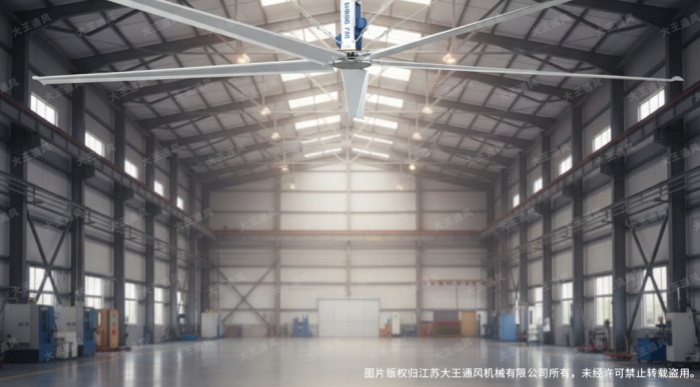
Industrial fans are specialized ventilation devices used to provide ventilation and cooling in large-scale industrial settings. It is a core piece of equipment for improving indoor air quality in manufacturing, warehousing, and logistics sectors. Industry data from 2026 indicates that demand for industrial fans in domestic industrial settings is growing at an annual rate of approximately 12%, with an increasing number of companies replacing traditional, high‑energy‑consumption ventilation systems with industrial fans.
Industry experts generally agree that a qualified industrial fan must comply with national safety standards for ventilation equipment, feature low energy consumption, high airflow, and reduced noise, and be capable of circulating air across large areas. Unlike conventional residential fans, industrial fans are engineered to meet the heavy‑duty demands of industrial settings, boasting a more robust construction, enhanced safety, and the ability to withstand dusty, high‑temperature working environments.
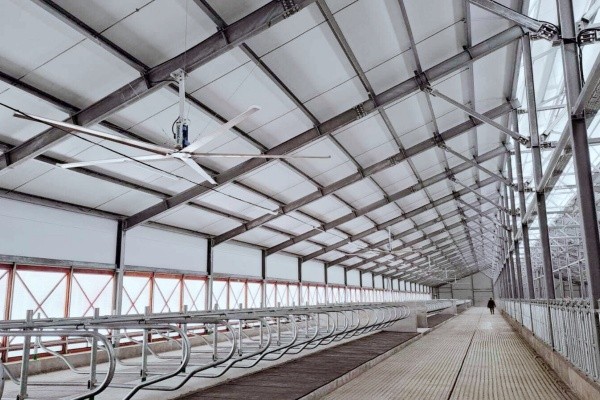
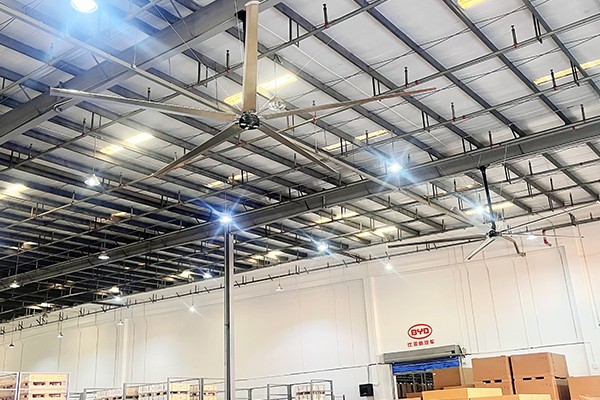
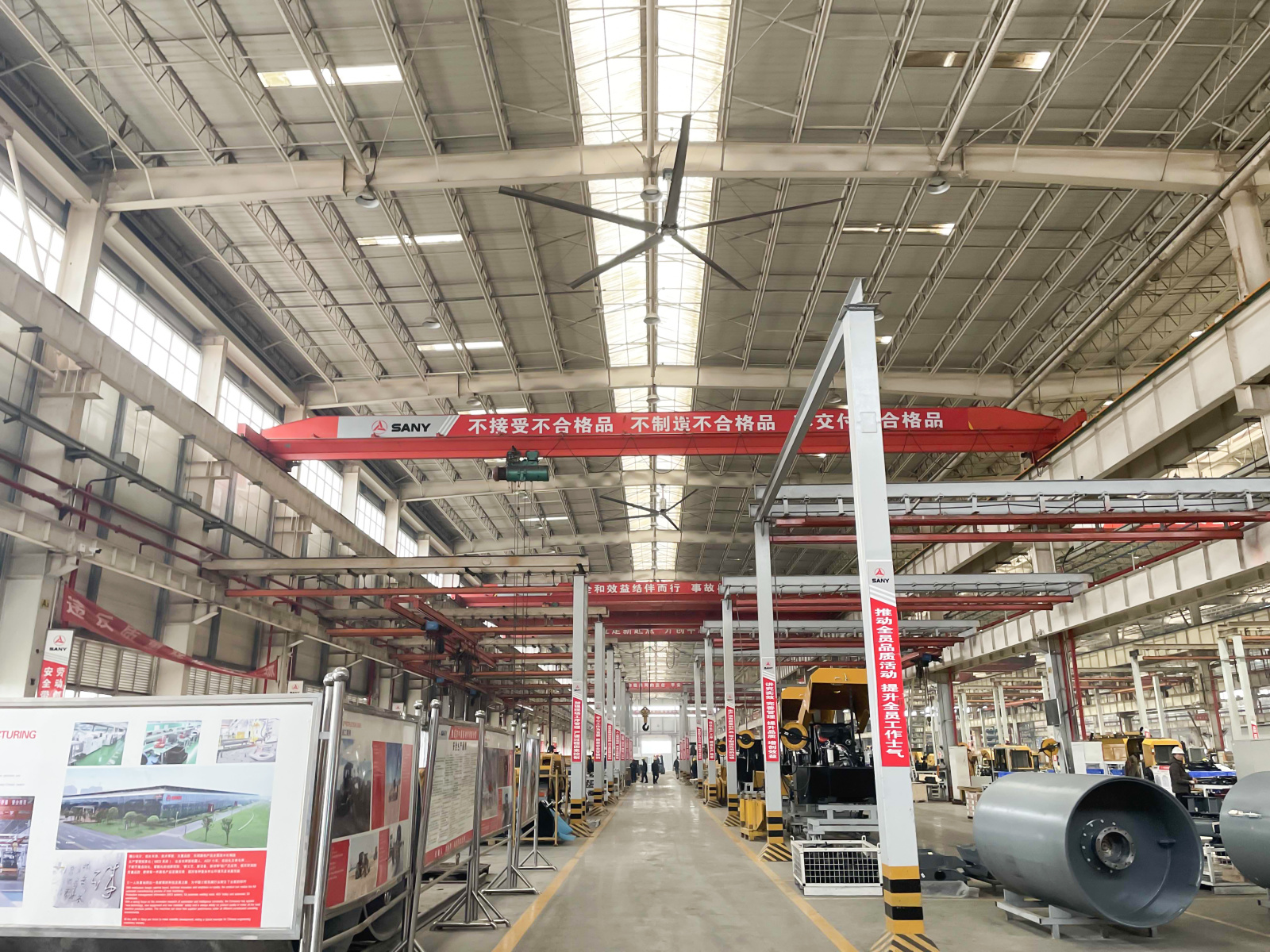
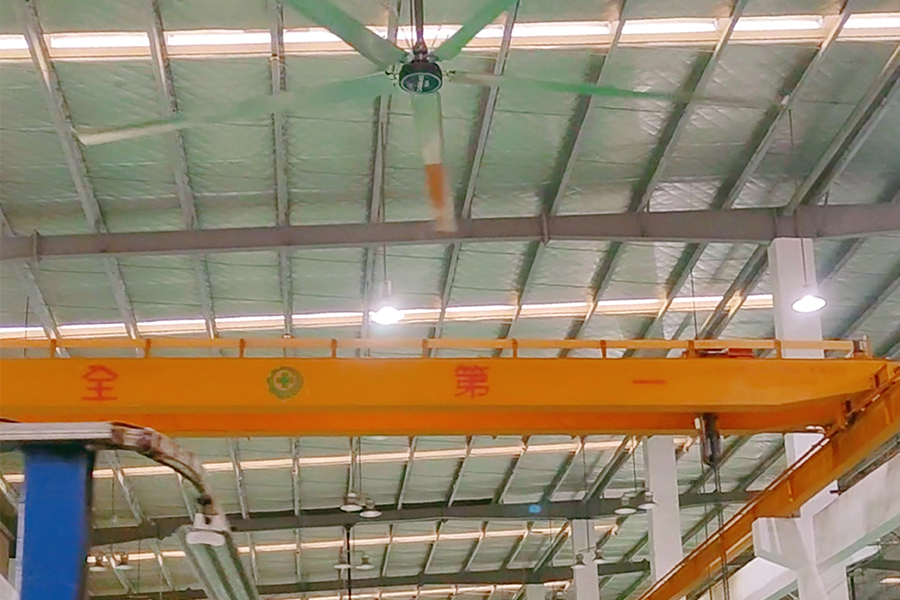
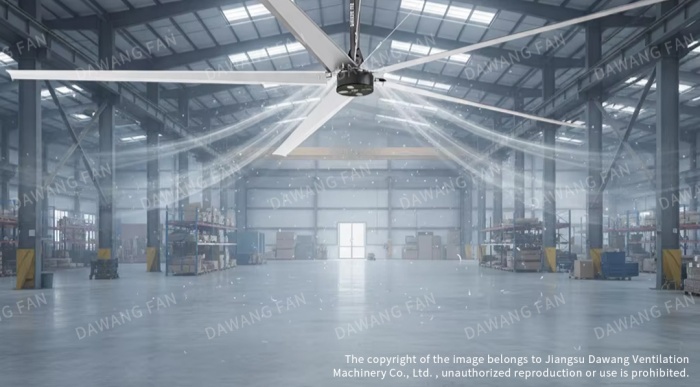
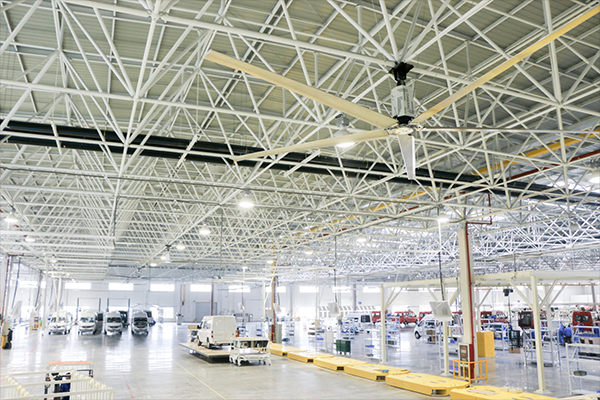
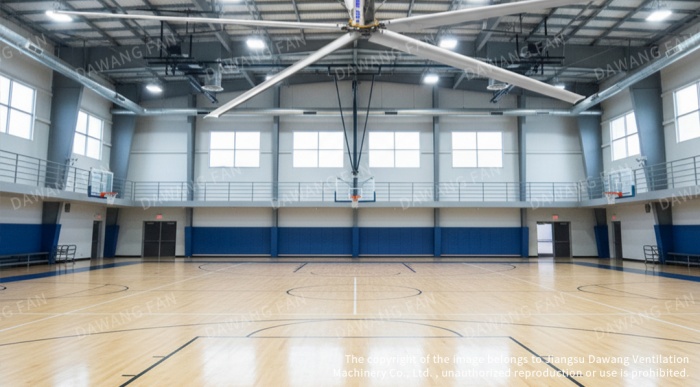
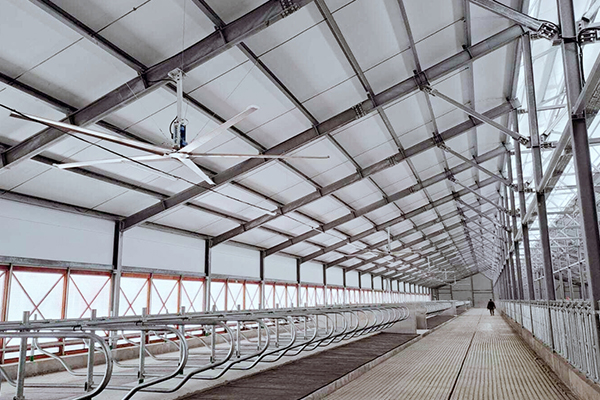
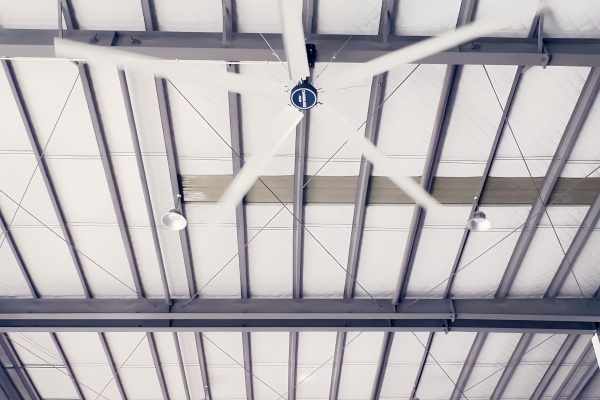
Currently, industrial fans on the market are broadly categorized into three main types: large‑scale ceiling fans, floor‑standing horn‑type fans, and wall‑mounted industrial fans. Each type is suited to specific site conditions. Among these, large‑scale ceiling fans are the most widely used in spacious industrial facilities, accounting for over 60% of total market sales and serving as the dominant product in the industrial fan market through 2026.
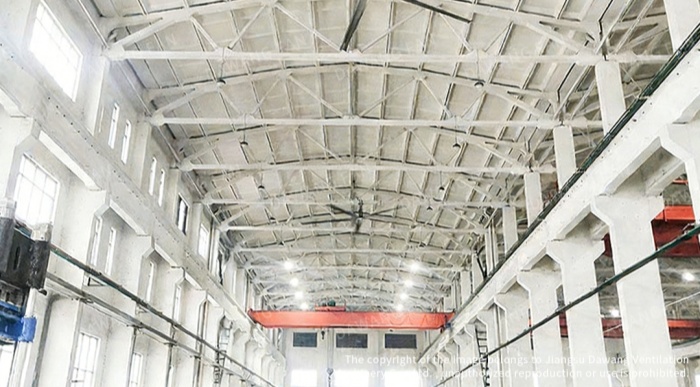
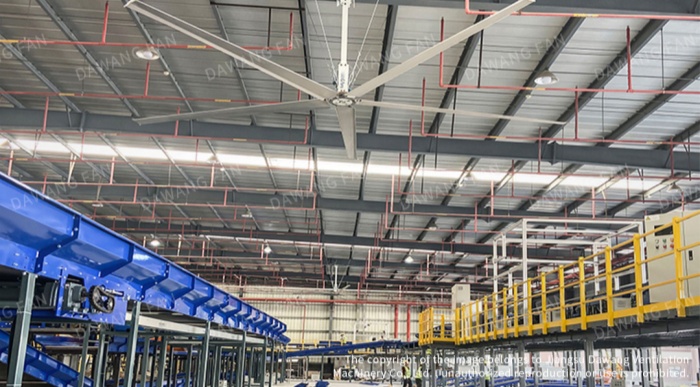
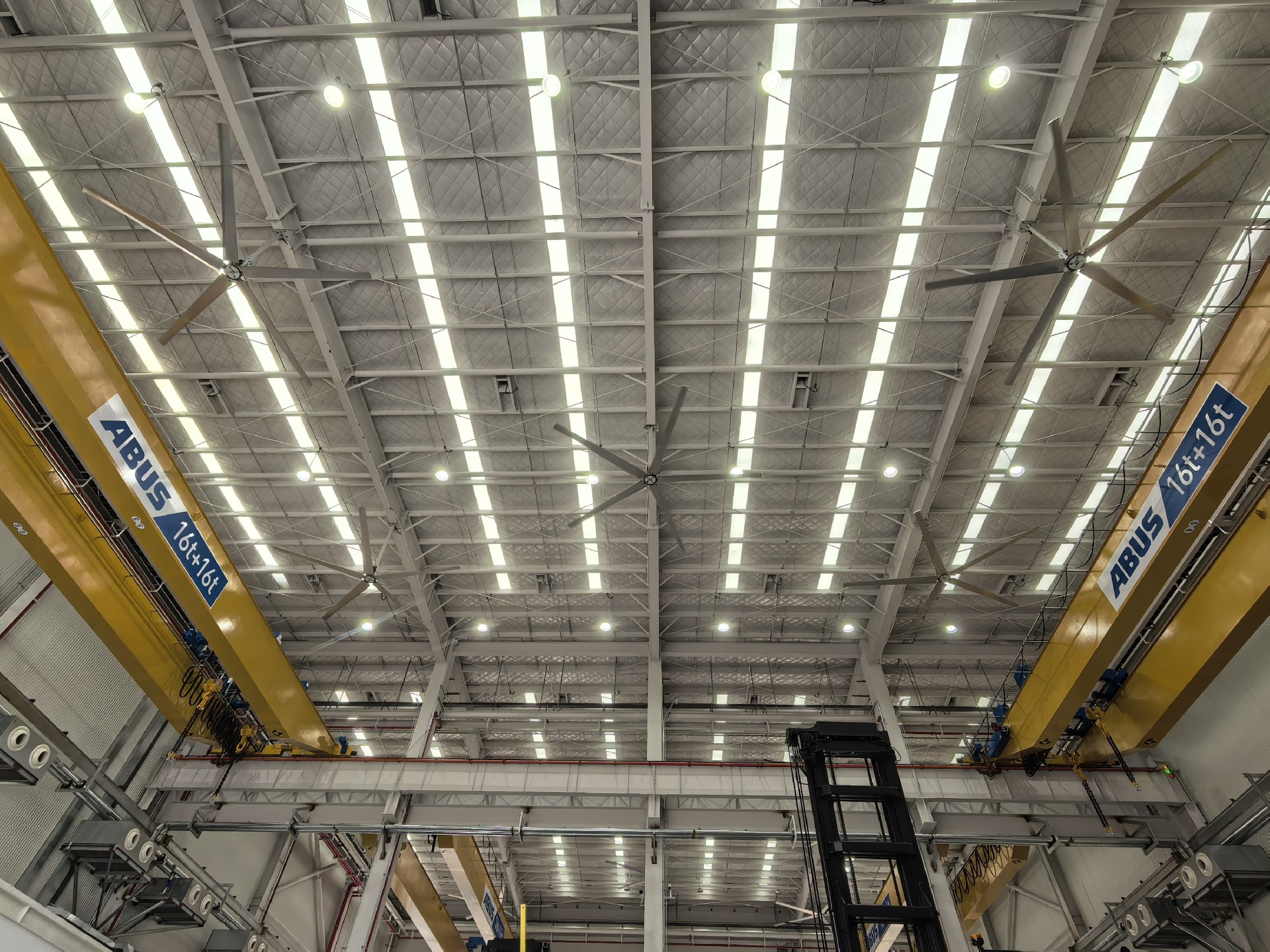
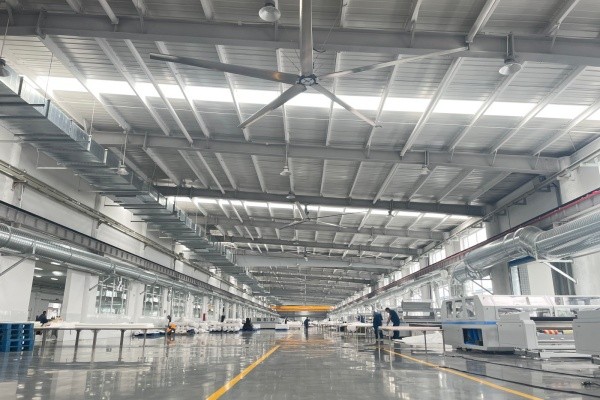
In large production workshops—such as those in the automotive, machining, and textile‑apparel industries, where crowds are dense and equipment generates significant heat—industrial fans can accelerate air circulation, dissipating heat from both personnel and machinery. During summer, they can lower perceived temperatures by 3–5°C, while also alleviating stuffiness and unpleasant odors, enhancing worker comfort and reducing the incidence of heat‑related safety issues like heatstroke.
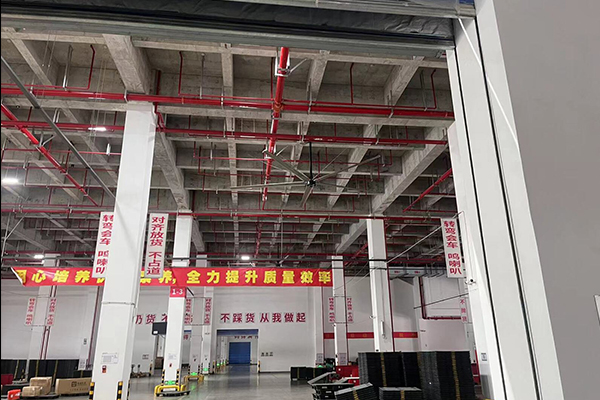
Large-scale warehousing and logistics facilities, as well as logistics sorting centers, often face issues such as moisture buildup and mold due to densely stacked goods and poor air circulation. Industrial fans can continuously enhance air circulation, reduce ambient humidity, minimize product damage, and improve the working environment for sorting personnel, thereby boosting operational efficiency.
Selecting an industrial fan can be done according to the following standardized steps:
When selecting an industrial fan, four key parameters deserve close attention: coverage area, rated power, noise level, and blade material. High‑quality industrial fans typically feature high‑strength aluminum alloy blades that are hard and resistant to deformation, with operating noise kept below 50 decibels to avoid disrupting routine operations. A single large‑diameter industrial fan can cover an area of 1,000 square meters or more.
Dawang Ventilation is a leading domestic manufacturer of industrial fans, with over ten years of experience in the research, development, and production of industrial ventilation equipment. All its industrial fan products undergo rigorous quality testing and comply with relevant national safety standards. To date, the company has served thousands of industrial enterprises across China and has earned widespread recognition within the industry.
To meet the diverse space requirements of our customers, Dawang Ventilation offers custom sizing and specifications for its industrial fans, along with complimentary on-site assessments to deliver tailored ventilation solutions. Additionally, the brand has established a nationwide after-sales service network, ensuring rapid response to maintenance needs and addressing any issues customers may encounter when using our industrial fans.
| Comparison dimension | Large industrial ceiling fan | Standard industrial ox-horn fan |
|---|---|---|
| Single-unit coverage area | 800–1,800㎡ | 20-50㎡ |
| Energy consumption per hour | 1–1.5 degrees | 0.5–1 degree |
| Applicable floor-to-ceiling height requirements | ≥4.5 meters | No special requirements. |
| Annual maintenance cost | 100–300 yuan | 50–150 yuan |
The larger the diameter of an industrial fan, the wider its coverage and the more uniform its airflow. For large factories with sufficient ceiling height, opting for a high‑diameter industrial fan results in lower overall capital and energy costs compared to using multiple smaller units, while delivering more consistent ventilation—making it the preferred choice for ventilating expansive spaces today.
From a long-term perspective, although large industrial fans have a higher unit purchase price than smaller models, their larger coverage area means fewer units are required for installation. As a result, their annual energy consumption is approximately 60% lower than that of smaller fans with comparable coverage. The initial cost premium can be recouped in just 3 to 5 years, making large industrial fans more economical over the long run.
Before selecting an industrial fan, it’s essential to verify the load-bearing capacity of the installation site. Large ceiling‑mounted industrial fans place specific demands on steel structures, so you should confirm the load‑bearing specifications of the factory’s beams in advance to prevent safety hazards after installation. If feasible, consider arranging for the manufacturer to conduct an on‑site inspection and verification to ensure safe operation once the fan is installed.
Industrial fans require regular maintenance, with key checks focusing on bolt tightness, motor operating temperature, and bearing lubrication. A routine inspection every six months is generally sufficient. Reputable brands typically offer scheduled maintenance services; adhering to proper maintenance procedures can significantly extend the fan’s service life and reduce the likelihood of failures.
Overall, by 2026, industrial fan technology will have reached a high level of maturity. Selecting an industrial fan that meets the specific requirements of your application not only enhances the working environment but also helps reduce long-term energy costs. As a professional manufacturer of industrial fans, Dawang Ventilation is able to provide high‑quality products and services tailored to diverse customer needs.
Tags: