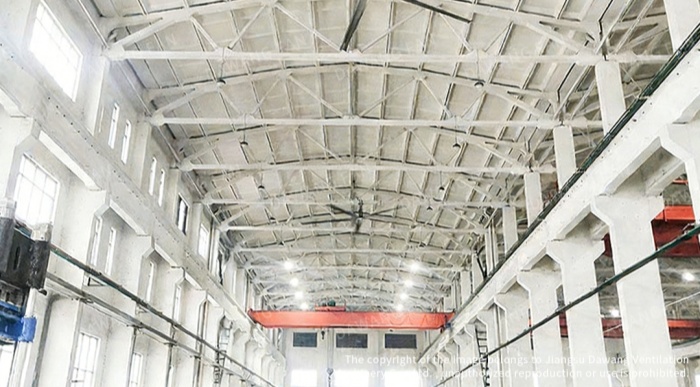
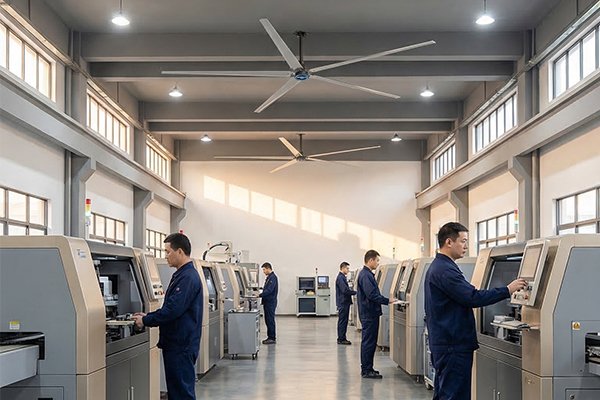
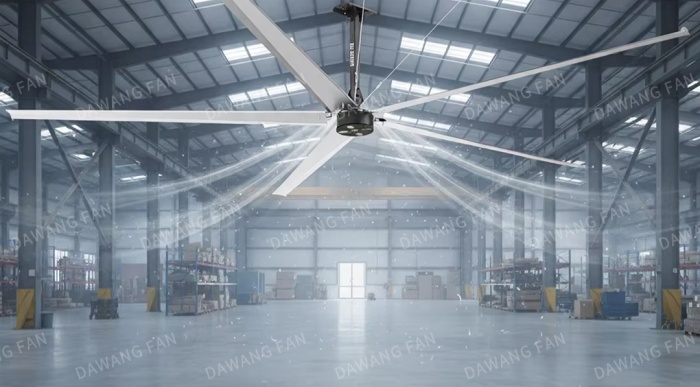
August is the “headache month” for warehouse managers: heavy rain outside brings dampness indoors. This is especially true of steel‑frame warehouses and raw‑material storage facilities, which are tall and tightly sealed; during the rainy season, relative humidity often exceeds 85%.
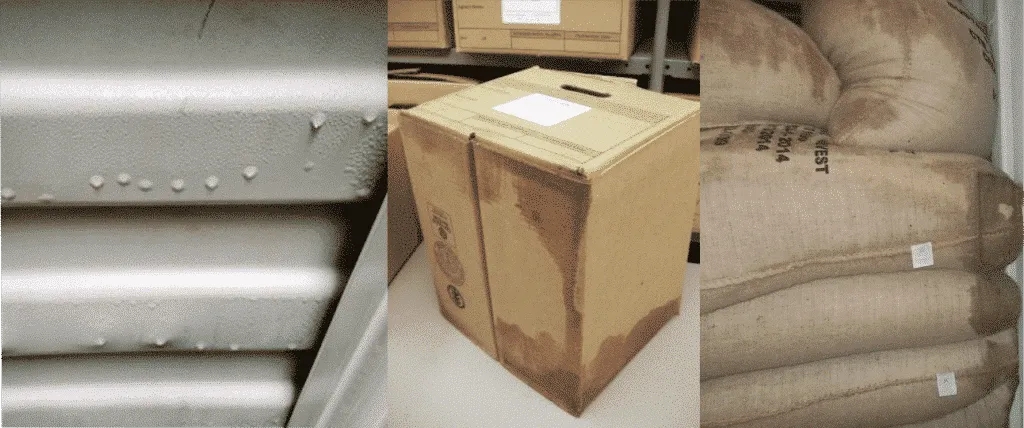
Many companies’ first instinct is to purchase dehumidifiers. However, dehumidifiers work by condensing moisture from the air and expelling it as water; in large, high-ceilinged spaces, a single unit has limited coverage and must be operated with windows closed—yet keeping windows shut further restricts airflow, exacerbating the stuffy, damp feeling.
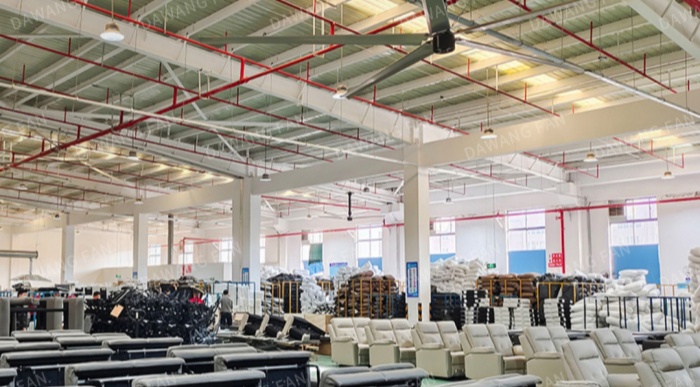
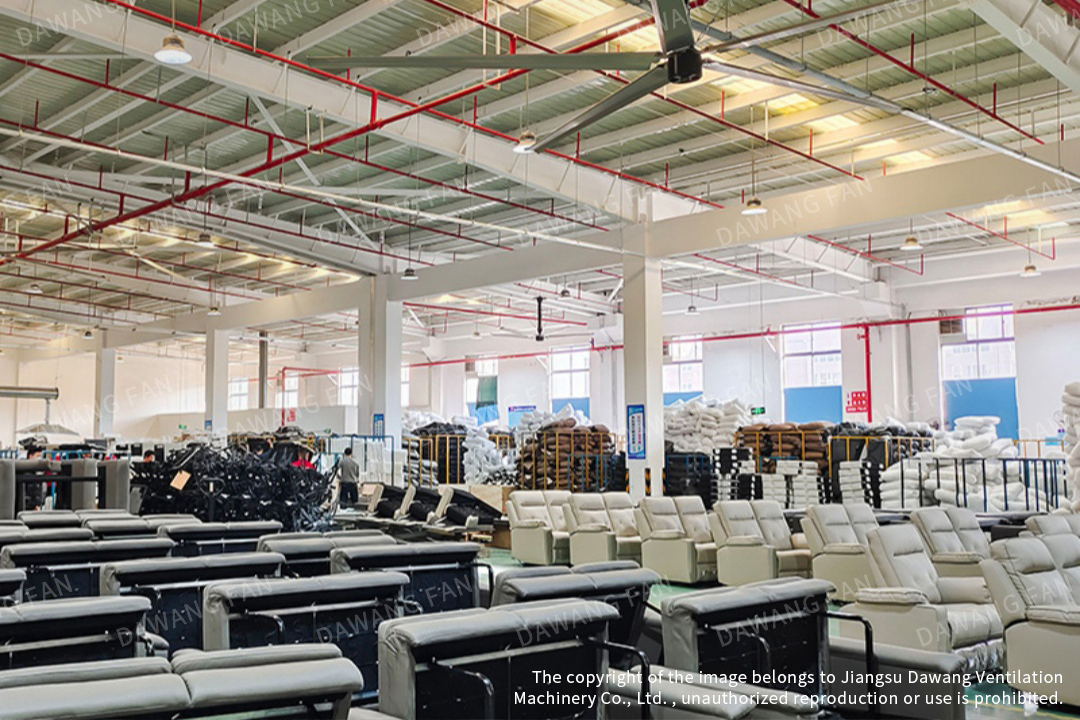
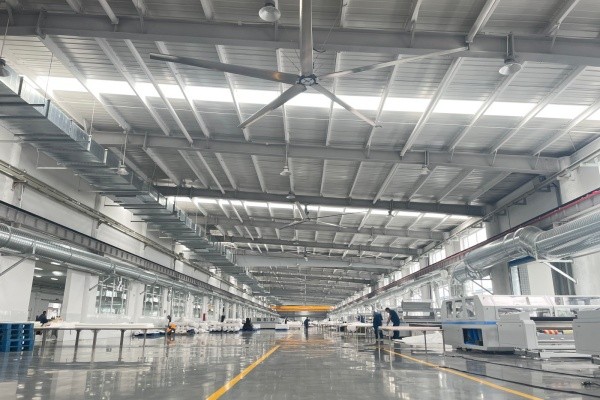
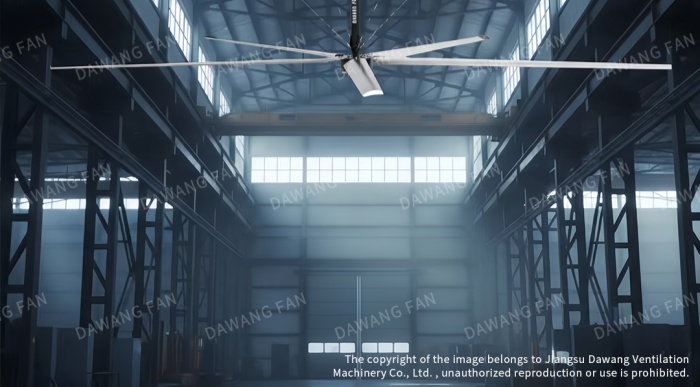
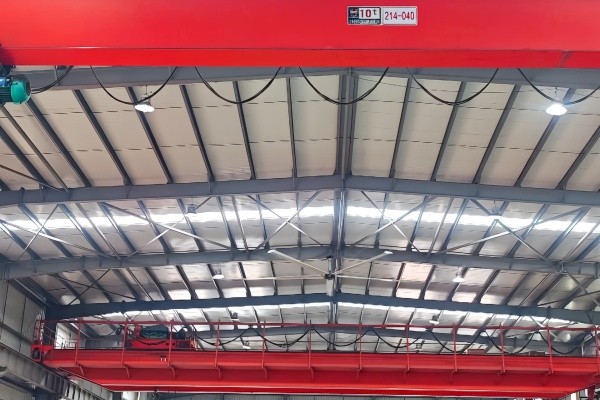
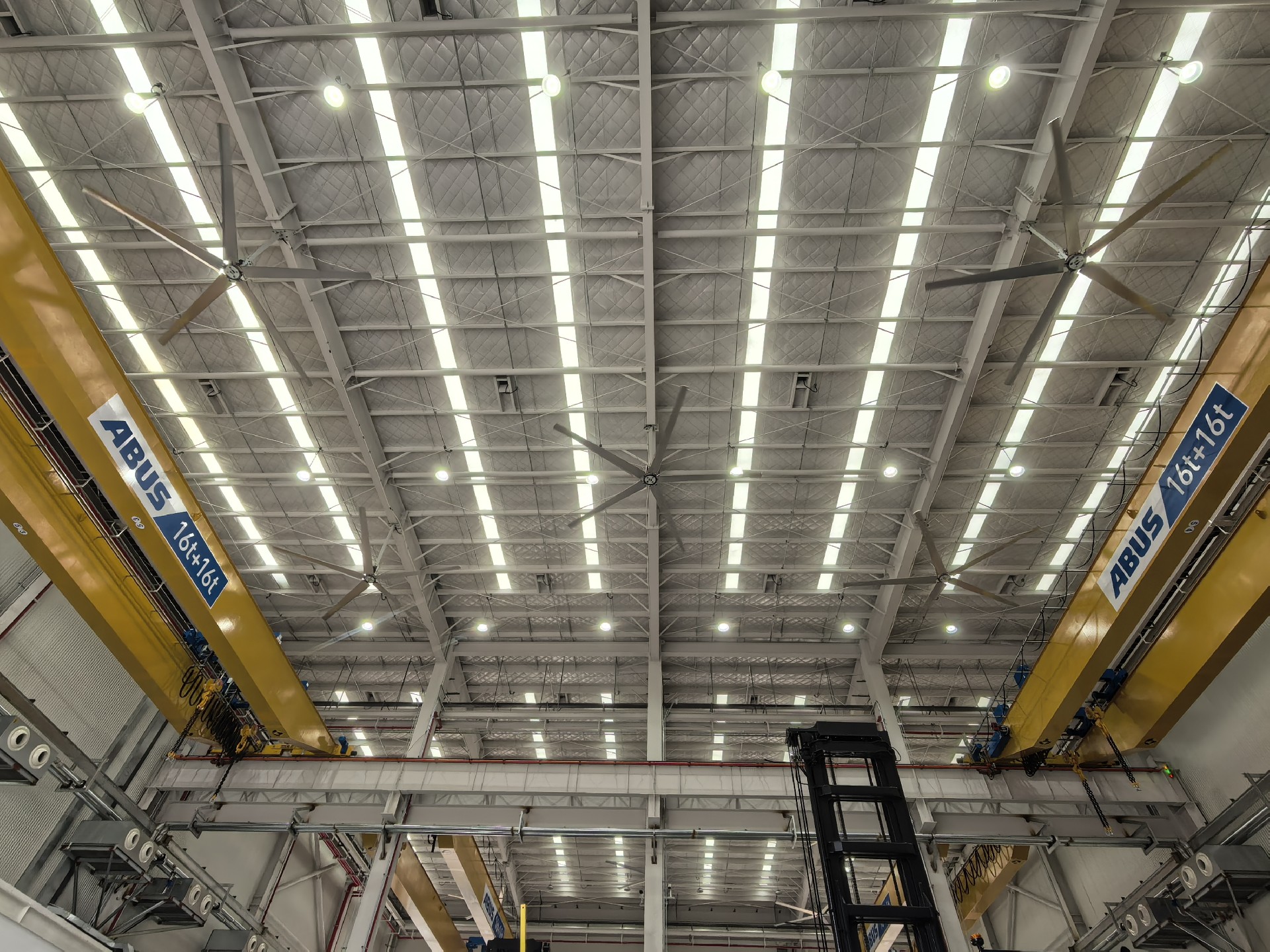
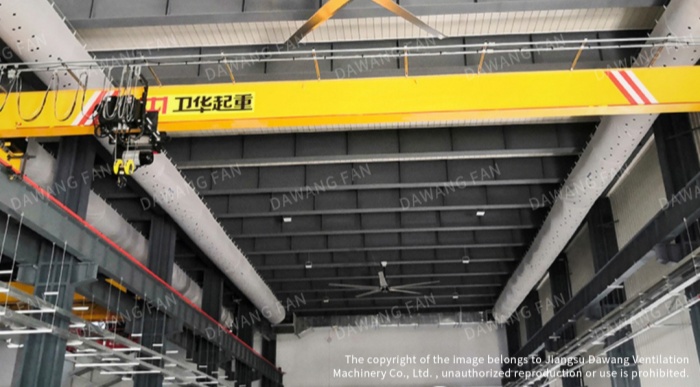
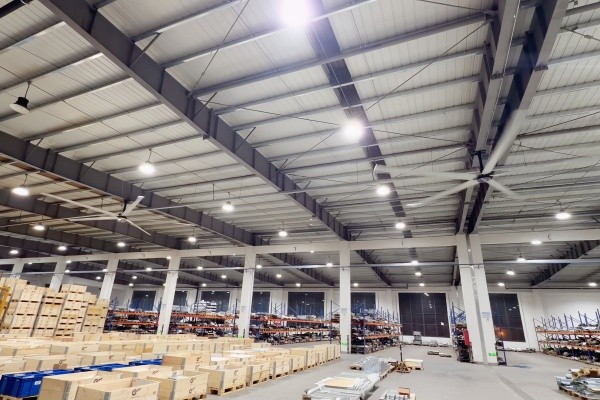
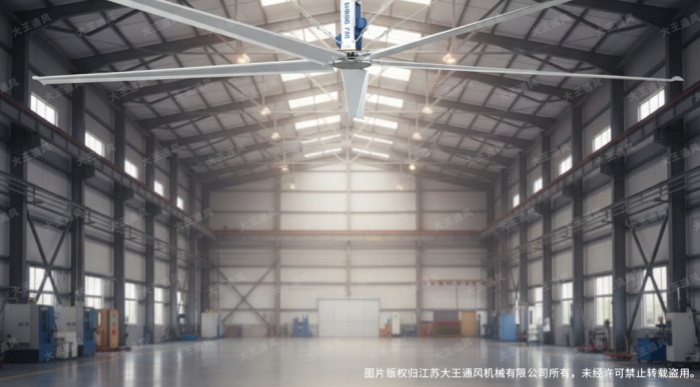
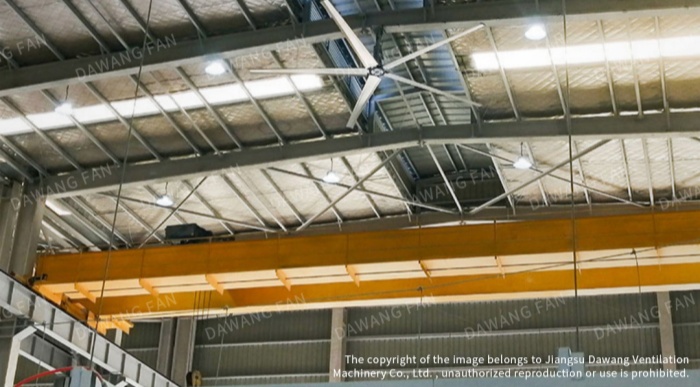
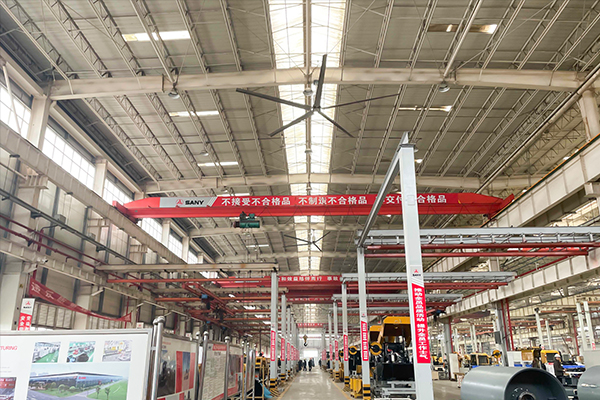
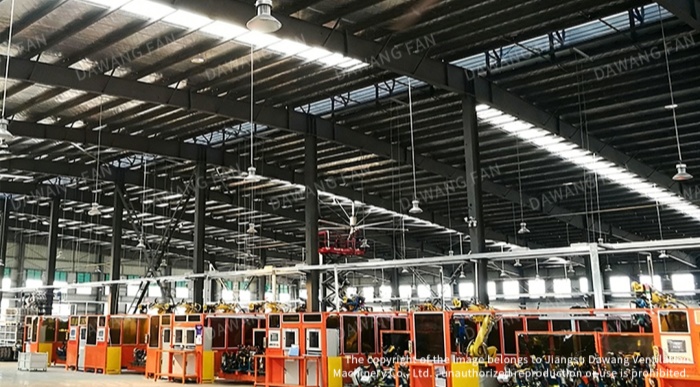
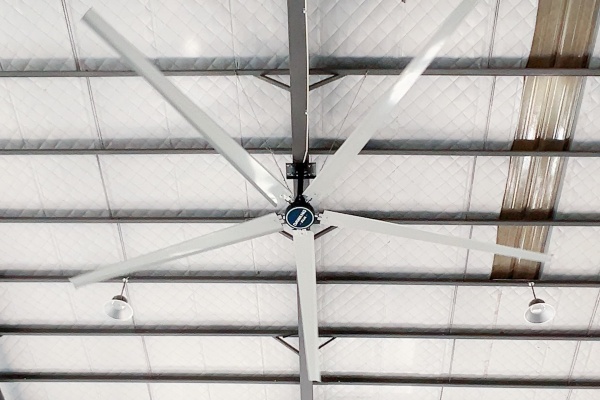
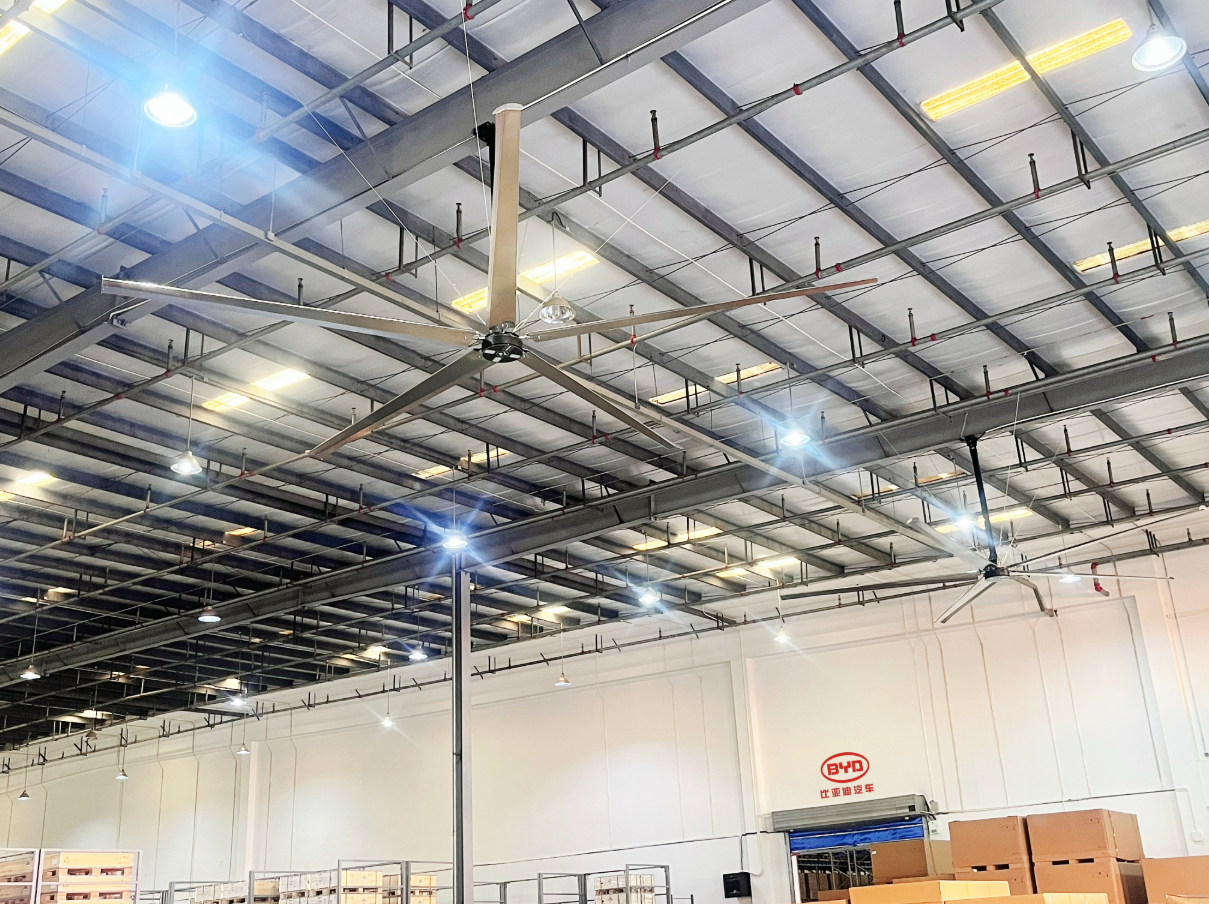
A better approach is to “ventilate first, then dehumidify.” The Dawang 8.5-meter industrial ventilation fan operates at low speed with a large diameter, promoting three-dimensional air circulation throughout the entire floor and ensuring more uniform humidity distribution inside the warehouse, thereby preventing localized condensation. Combined with natural ventilation through doors and windows or an exhaust system, moist air can be replaced more quickly.
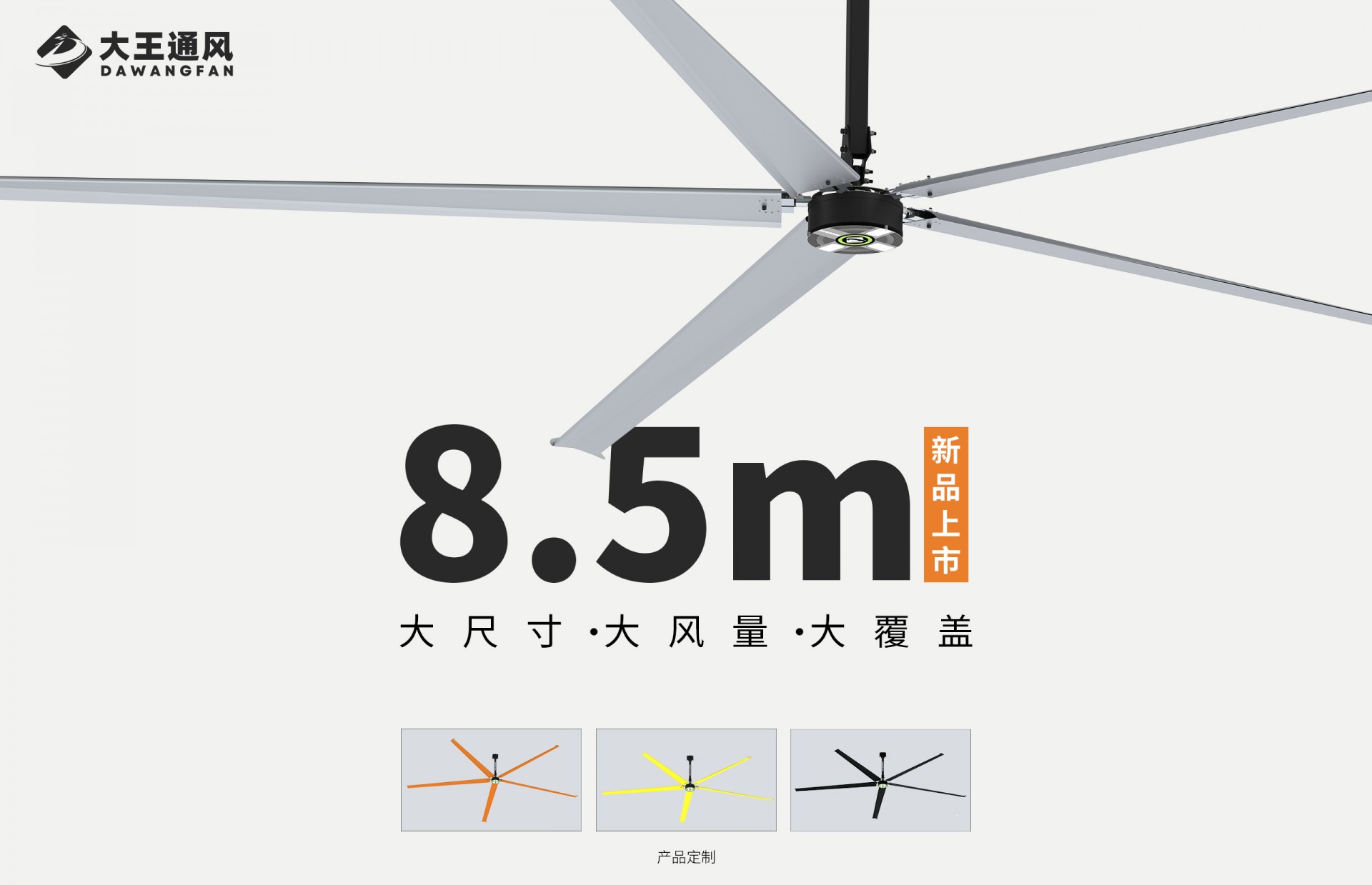
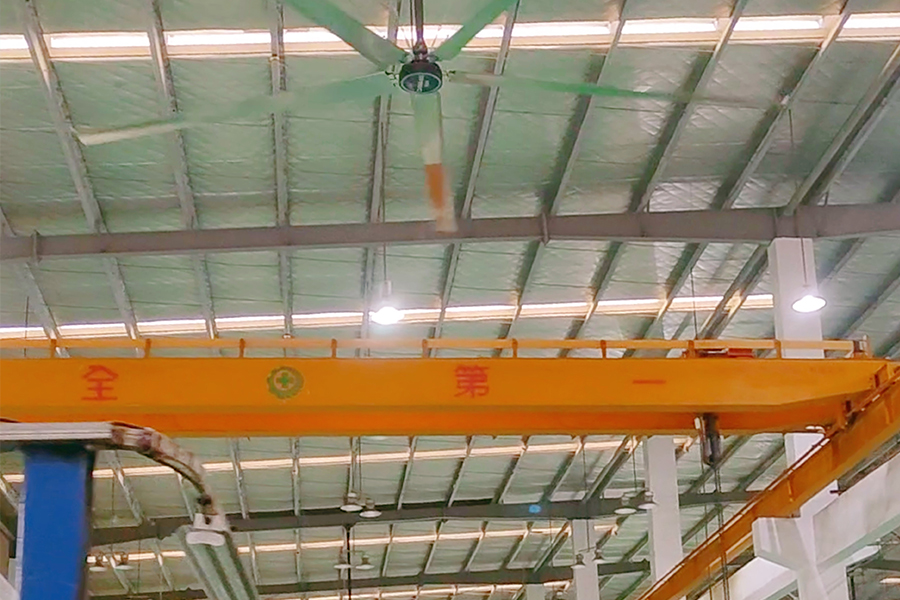
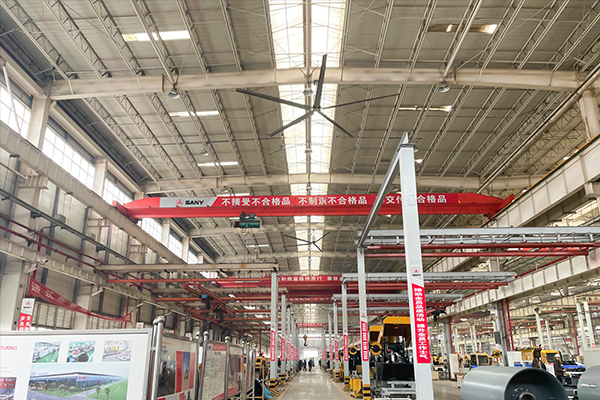
BYD’s steel‑structure warehouse employs this solution: more than a hundred DaWang ventilation units are evenly distributed, each delivering an air volume of 21,800 m³/min, creating a three‑dimensional ventilation network that enables more precise control of temperature and humidity inside the warehouse and significantly reduces the corrosion rate of components.
With more than half of the rainy season still ahead, moisture control in warehouses is a long-term battle. Dawang Ventilation offers customized solution design and 4S maintenance services, ensuring that every warehouse has a reliable moisture‑proof barrier.