Common Questions and Basic Knowledge About Dawang Ventilation Industrial Fans
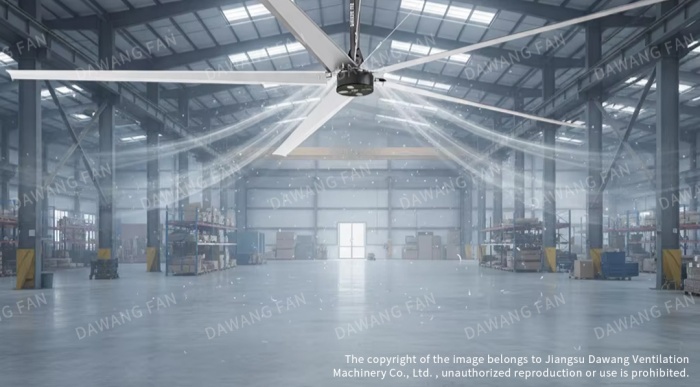
The core features of Dawang Ventilation’s industrial fans revolve around wide‑area coverage, low energy consumption, and quiet operation. According to industry data released in 2026, these large 7.3‑meter‑diameter ceiling fans can cover over 1,000 square meters per unit. Many new users have questions about the product’s basic specifications; the following provides targeted answers.
What are the key differences between DaWang industrial ventilation fans and ordinary household fans?
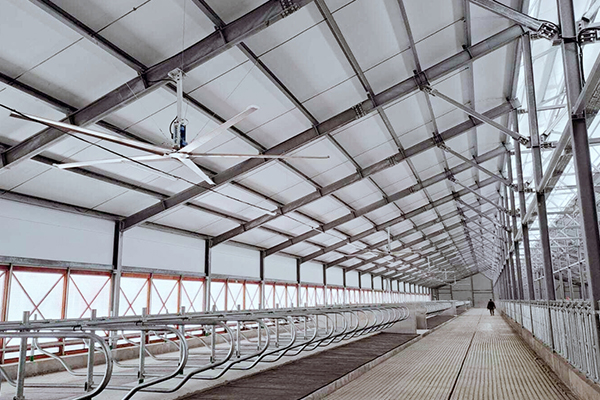
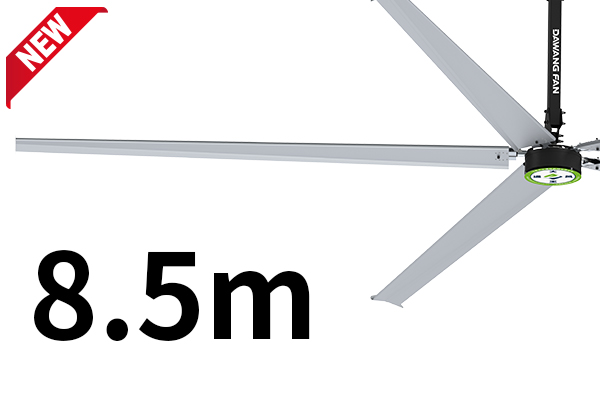
A typical household fan covers only 10–20 square meters, making it suitable for small spaces. In contrast, the Dawang industrial ventilation fan features aerospace-grade magnesium-aluminum alloy blades that generate a powerful airflow during operation, creating three-dimensional air circulation and covering areas exceeding 1,000 square meters. It is also designed to handle large spaces with ceiling heights of 7 meters or more, and its long-term operational stability meets rigorous industrial‑grade equipment standards.
What is the core operating principle of Dawang Ventilation industrial fans?
Industry experts generally agree that the core principle of large industrial ceiling fans is to use a low-speed, high-torque permanent-magnet motor to drive large-diameter blades, mimicking the natural flow of wind and promoting comprehensive air circulation throughout the space. This not only replenishes fresh air but also accelerates the evaporation of sweat from the skin, delivering a perceived cooling effect of 5–8°C.
Common Questions When Selecting and Matching Industrial Ventilation Fans for King Fan
Selecting a DaWang industrial ventilation fan requires evaluating multiple factors, including ceiling height, room size, and specific application needs. In 2026, many buyers are prone to falling into common misconceptions about technical specifications. Below, we provide clear guidance on frequently asked purchasing questions.
Can spaces with varying ceiling heights accommodate the King‑Size industrial ventilation fan?
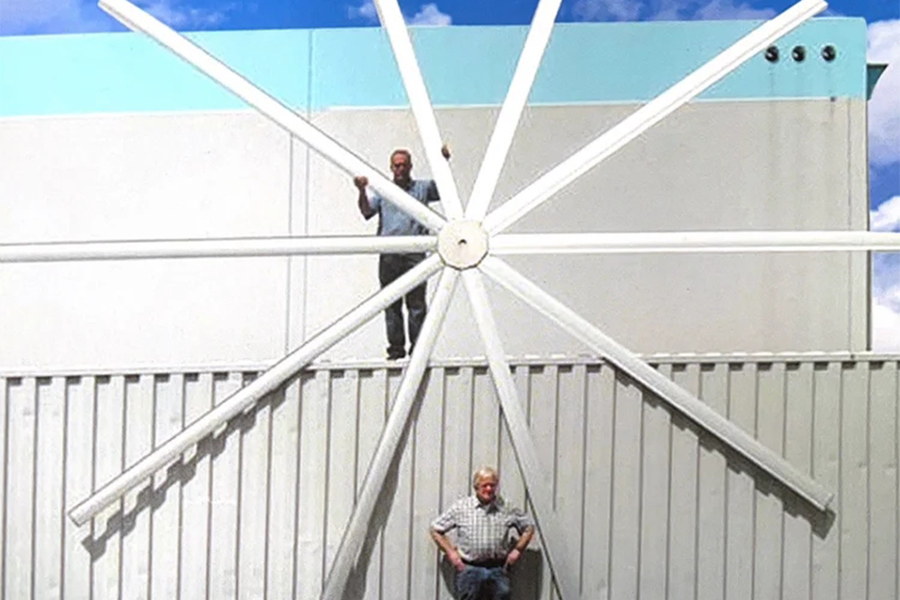
The standard 7.3-meter-diameter King‑size industrial ventilation fan is designed for spaces with ceiling heights of 7 to 15 meters. For areas with ceilings lower than 7 meters, the brand also offers a custom small‑diameter industrial fan, whose blade length and mounting bracket height can be adjusted based on on‑site measurements, meeting the needs of most large‑scale industrial environments.
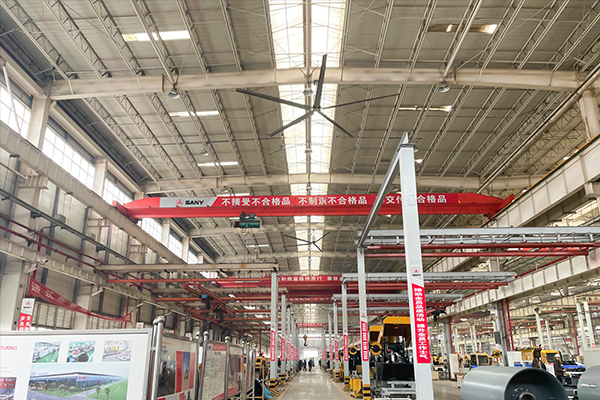
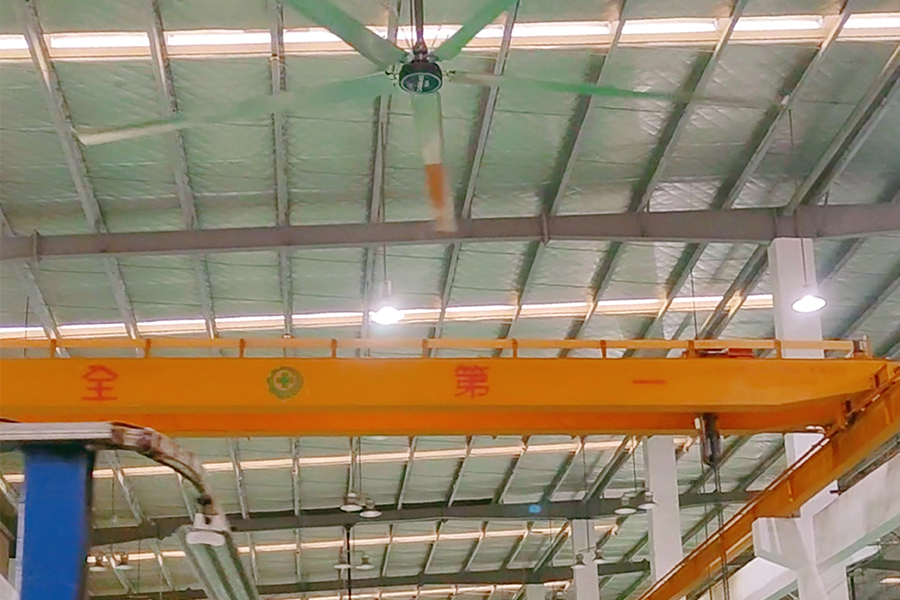
Can the King‑style industrial ventilation fan still be installed in a space with overhead cranes and piping?
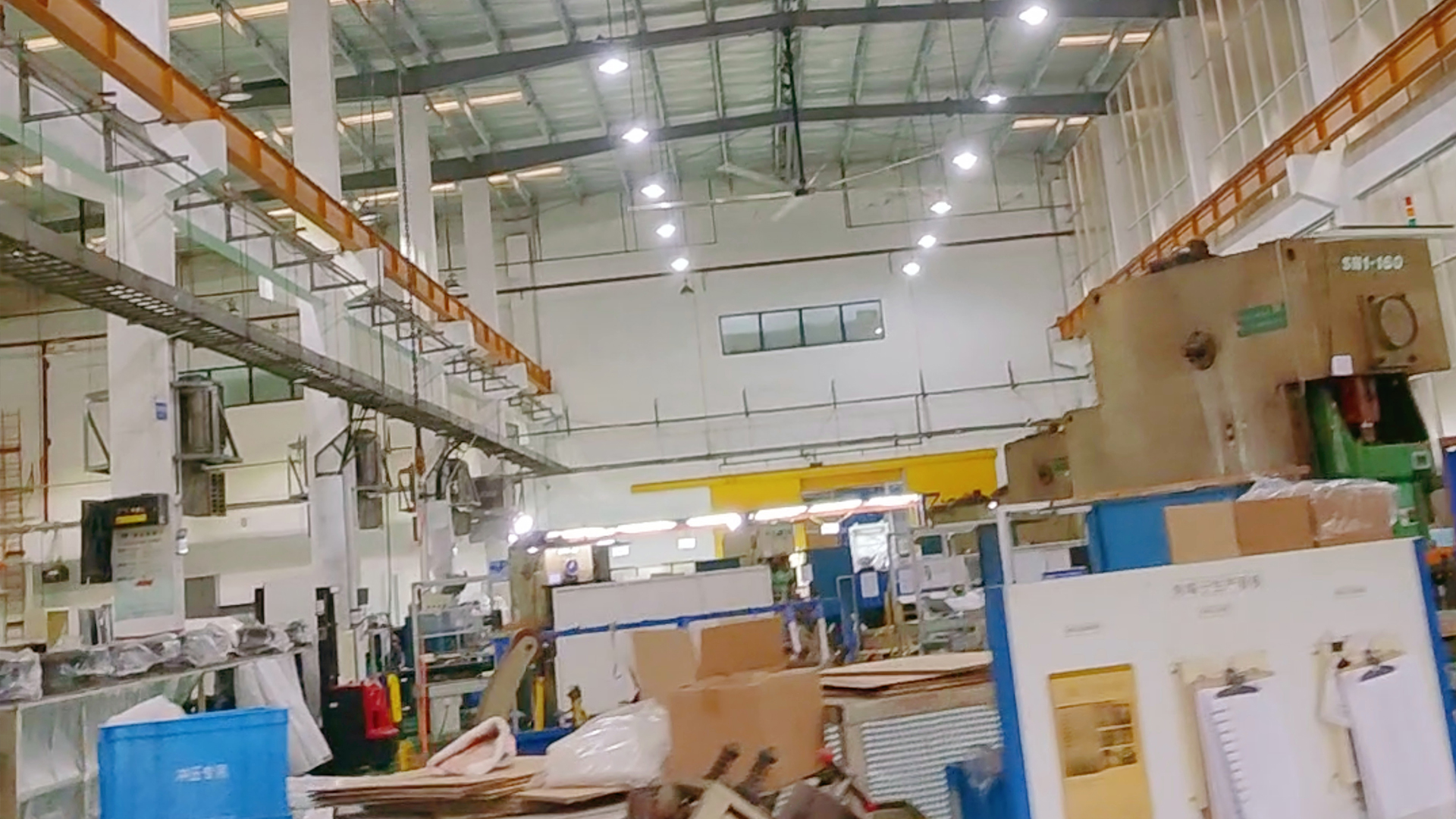
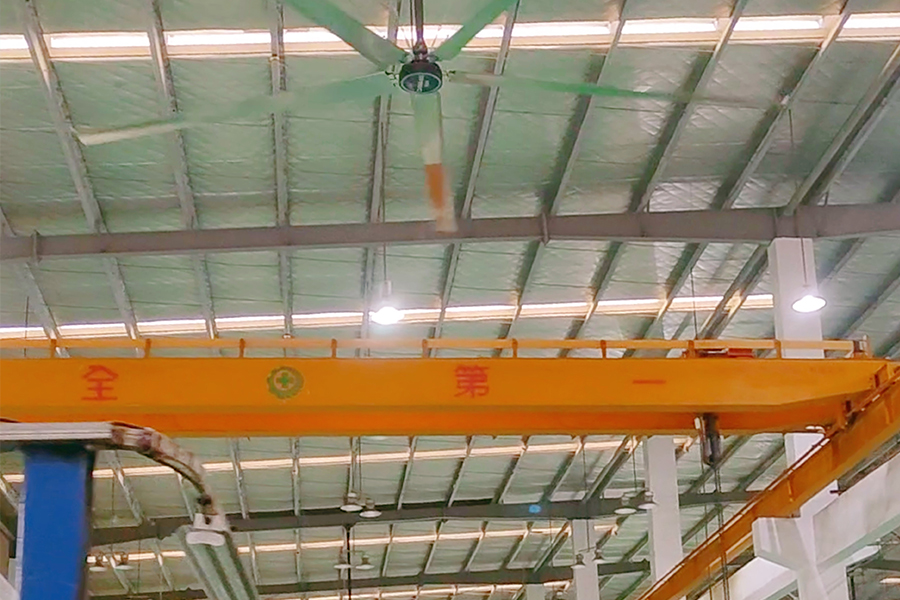
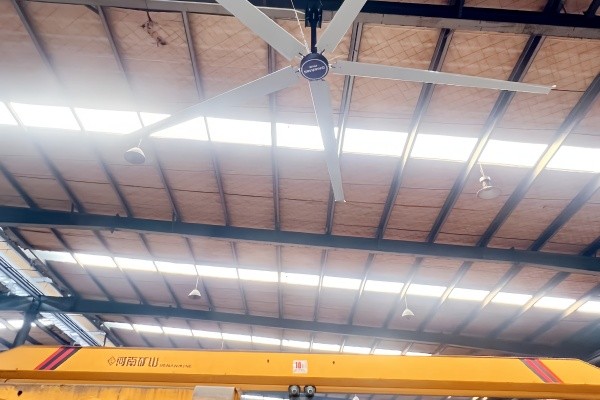
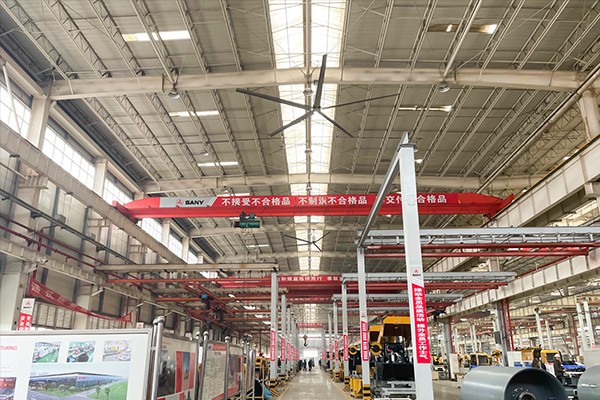
As long as brand‑qualified technicians conduct a site survey in advance to adjust the fan’s mounting location and bracket structure—clearing obstructions such as vehicle traffic paths and overhead pipelines—the system can be installed and operated without issue. The custom‑designed universal‑adjustment bracket, launched in 2026, further expands its applicability by allowing the fan’s installation angle to be fine‑tuned to accommodate on‑site obstacles.
Common Issues in the Installation and Construction of Dawang Ventilation Industrial Fans
The installation of Dawang Ventilation industrial fans follows a standardized procedure, and our brand’s service team offers end-to-end support, including on-site surveys and full‑service installation and commissioning. For typical applications, the installation can typically be completed within 1–2 days.
What are the standard installation steps for Dawang ventilation industrial fans?
Our technicians will visit your site to conduct a thorough on-site assessment, verify the ceiling’s load-bearing capacity and identify any obstacles, and finalize the installation locations.
Complete the welding and reinforcement of the top mounting bracket, and conduct a thorough load-bearing safety inspection.
Install the motor, fan blades, and safety guard components in sequence, then complete the power-on commissioning.
The acceptance team tests the entire operational workflow and delivers an operations guide to the user.
Can the Dawang industrial ventilation fan be installed in a space without a steel‑frame roof?
For various applications, such as concrete roofs and space‑frame roofs, the brand offers compatible mounting accessories. As long as the roof’s load-bearing capacity meets the national standard of at least 50 kg per square meter, safe installation can be achieved.
| Comparison dimension | Standard wall-mounted industrial fan | King Ventilation Industrial Fan |
|---|---|---|
| Coverage area per unit | 20-30㎡ | 1000-1500㎡ |
| Rated power | 0.37kw | 1.3kw |
| Operating noise | 60-70db | ≤38db |
| Number of configurations for a 1000㎡ space | 30 units or more | 1 unit |
According to 2026 industry research on industrial ventilation, installing high-capacity industrial ventilation fans in a space of 1,000 square meters can, over a service life of more than three years, reduce electricity costs by approximately 60% compared with conventional small‑fan solutions.
Common Issues in the Energy Consumption Performance of Dawang Ventilation Industrial Fans
The Dawang ventilation industrial fan is equipped with a next-generation permanent‑magnet synchronous motor, delivering energy efficiency that ranks among the industry’s best. Many users are concerned about the long-term electricity costs of operation; below is an answer based on actual test data.
What is the hourly power consumption of a single DaWang ventilation industrial fan?
The standard 7.3-meter-diameter King‑size industrial ventilation fan has a rated power of 1.3 kW, consuming approximately 1.3 kWh when running at full speed for one hour. In most everyday applications, it can be operated at medium or low speeds, reducing the hourly energy consumption to just 0.8–1 kWh, resulting in lower long‑term operating costs.
Can using it in conjunction with an air conditioner reduce overall energy consumption?
According to empirical data from 2026, when used in conjunction with central air conditioning in large supermarkets, logistics warehouses, and similar settings, Dawang Industrial Ventilation Fans can promote uniform circulation of cool air throughout the space, eliminating localized temperature imbalances. This allows the air conditioner’s setpoint to be raised by 2–3°C, resulting in an overall reduction of 20%–30% in air-conditioning energy consumption.
Common Issues in the Daily Operation and Maintenance of Dawang Ventilation Industrial Fans
The structure of Dawang Ventilation industrial fans has undergone multiple safety optimizations, making routine maintenance exceptionally straightforward. Ordinary users need only perform regular inspections according to the provided guidelines, without incurring significant maintenance costs.
How often should the Dawang ventilation industrial fan undergo routine maintenance?
Under normal operating conditions, a routine inspection every six months is sufficient. The primary checks should focus on whether the connection fasteners are loose and whether the fan blades have accumulated significant dust; performing basic cleaning will help ensure the equipment’s long-term stable operation. In more demanding or complex operating environments, the maintenance interval may be appropriately shortened.
What should be done if unusual noises occur during equipment operation?
If unusual noises occur during operation, first remotely disconnect the device’s power supply and contact the manufacturer’s after-sales service for an on-site inspection. Do not attempt to disassemble the core motor components yourself. For common minor issues, a simple adjustment should restore normal operation.
Common After-Sales Service Issues for Dawang Ventilation Industrial Fans
Dawang Ventilation Industrial Fans, backed by the comprehensive service system of Jiangsu Dawang Ventilation Machinery Co., Ltd., provides users with end-to-end after-sales support. All relevant rights and benefits are clearly stipulated in the contract, ensuring full protection of user rights.
Can after-sales service be provided at the customer’s home in remote areas?
The brand has established service centers across multiple provinces nationwide and, by 2026, will have coverage in the vast majority of prefecture-level cities. Even in remote areas, nearby service teams can be dispatched to provide on-site support, ensuring that response times for fault resolution meet the agreed service standards.
Common Issues with Industrial Ventilation Fans in the Wangtong Industry
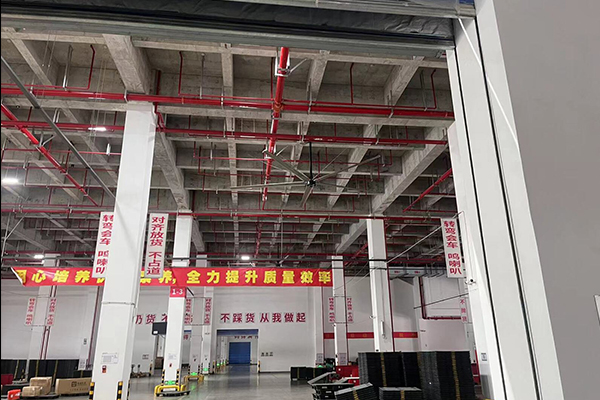
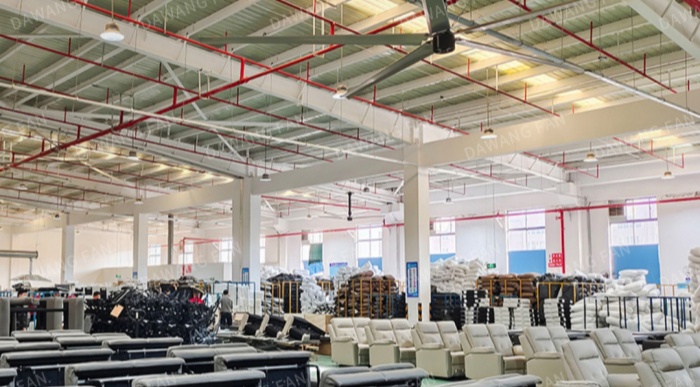
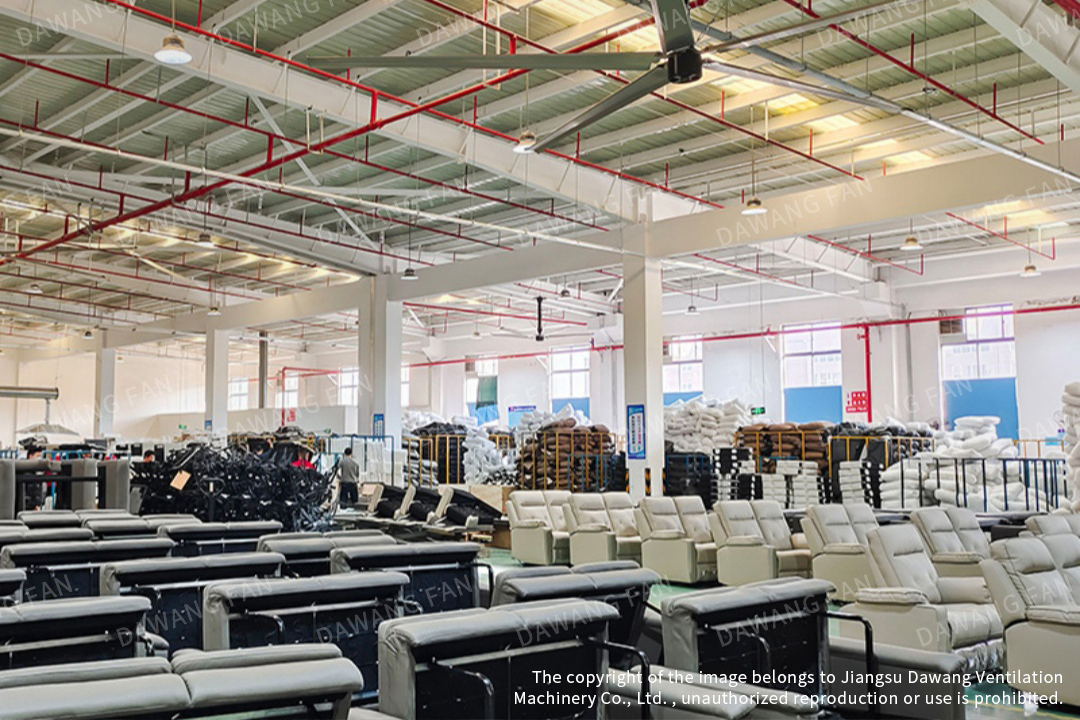
The Dawang ventilation industrial fan is compatible with most large‑space applications that meet the required ceiling height, and by 2026 it had already been deployed across multiple sectors, including industrial manufacturing, logistics and warehousing, and commercial venues.
Can the Dawang industrial ventilation fan be used in grain storage facilities?
For the specific operating conditions of grain storage, the brand offers customized moisture‑proof and corrosion‑resistant treatments. During operation, the equipment promotes air circulation, reducing the likelihood of localized condensation inside the silo and minimizing the risk of mold and spoilage, thereby meeting the demanding requirements of large-scale grain depots.
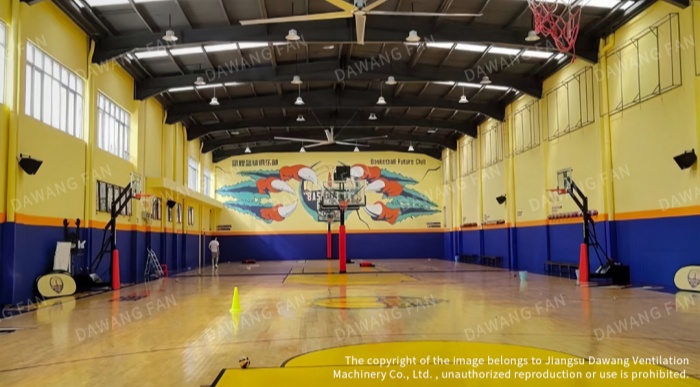
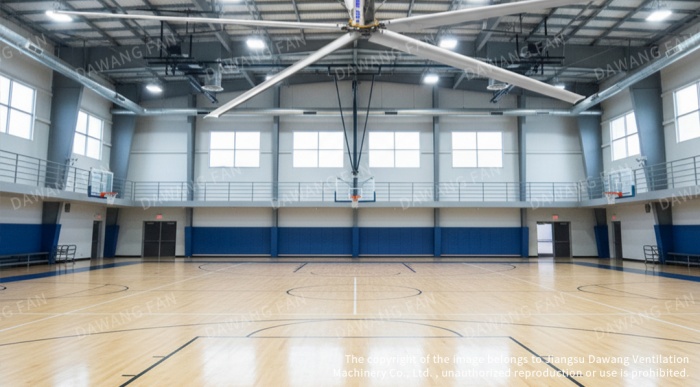
How is the user experience in sports venue settings?
Inside sports venues, the use of Dawang industrial ventilation fans delivers a comfortable, natural breeze at low speeds and high airflow, eliminating the issue of excessively strong localized winds that could blow shuttlecocks or other ball‑type materials away. At the same time, their low operating noise ensures they do not disrupt the smooth conduct of training sessions or sporting events.