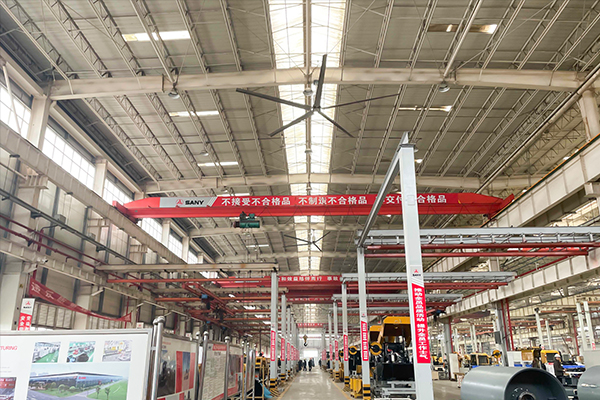
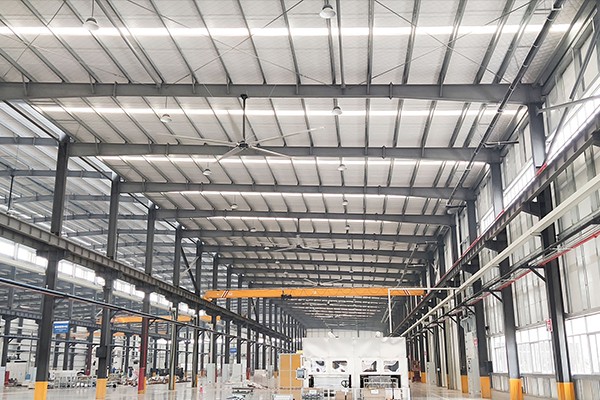
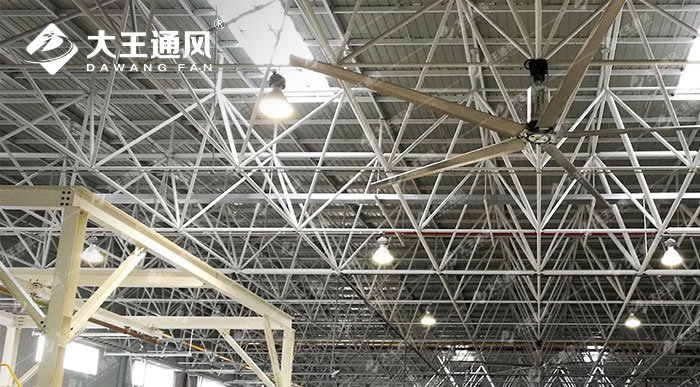
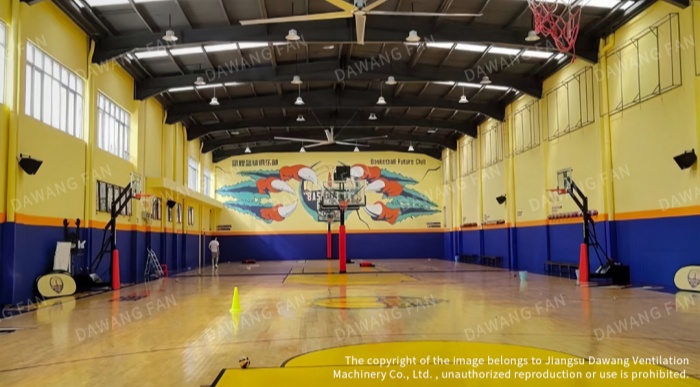
With temperatures set to rise in May, the need for cooling in large, high-ceiling
spaces such as workshops and logistics warehouses is becoming increasingly
apparent. Unfortunately, many companies encounter pitfalls when purchasing
industrial ceiling fans—either selecting the wrong model or facing persistently
high operating costs down the line. Drawing on more than a decade of expertise
in fan selection, Dawang Ventilation has distilled the key considerations to help
you choose the right fan and avoid unnecessary expenses.
I. Assess the material of the blade—safety is the bottom line.
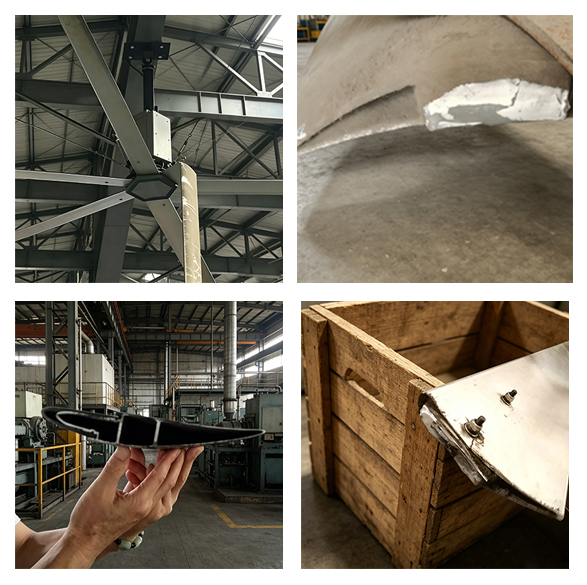
Standard fan blades: Made from 6061/6063 aluminum alloy, these blades have
poor toughness, are prone to fracture after prolonged operation, and pose a
high risk.
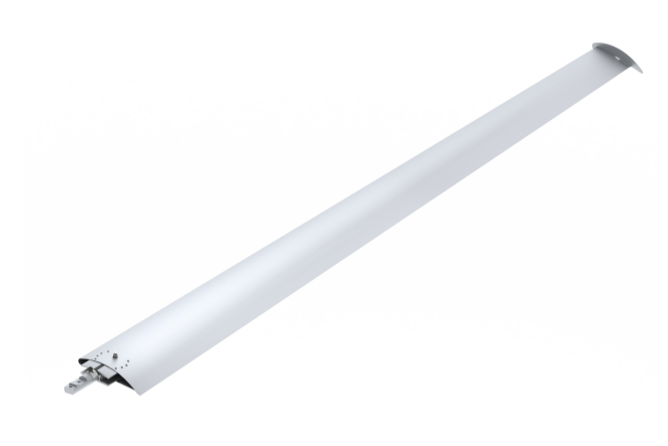
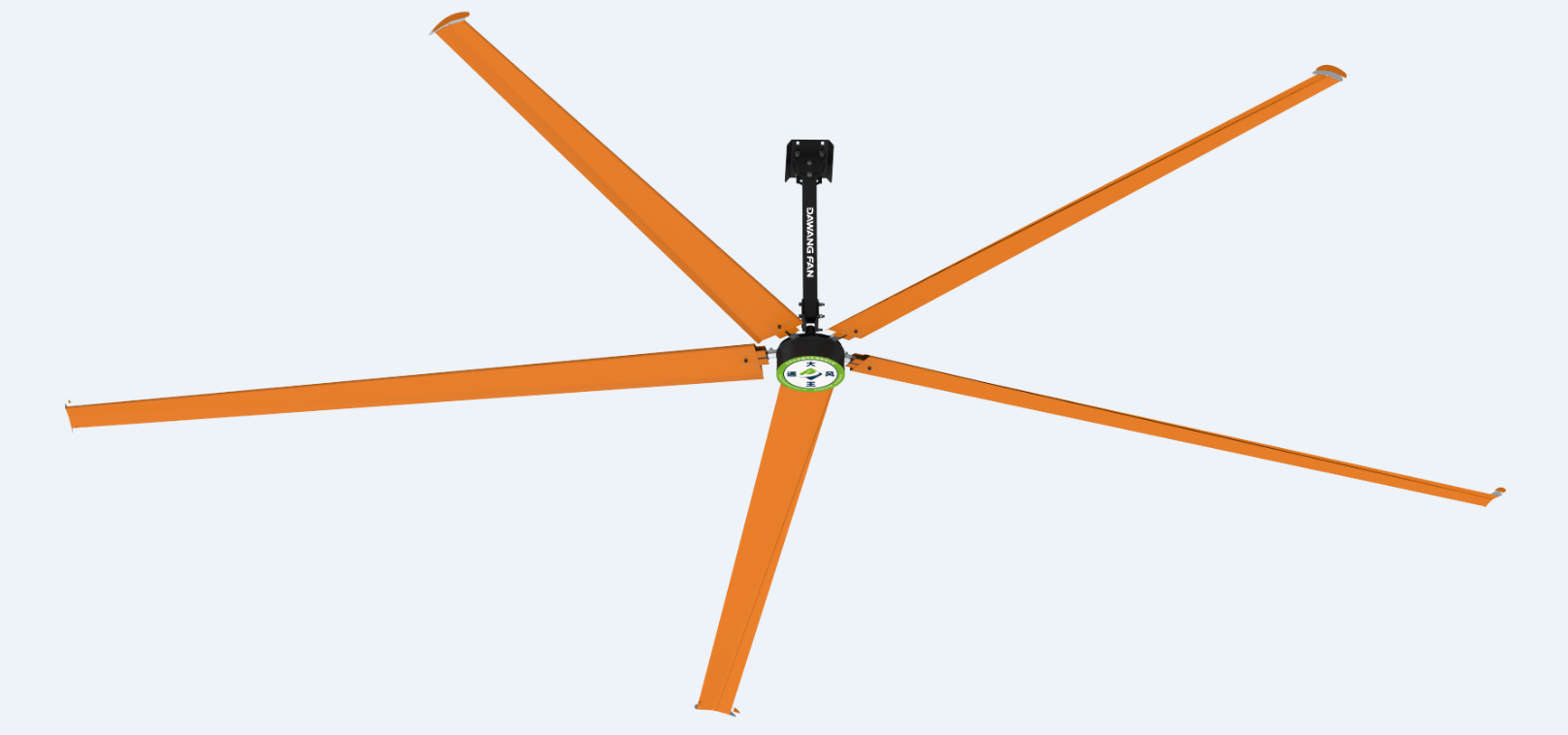
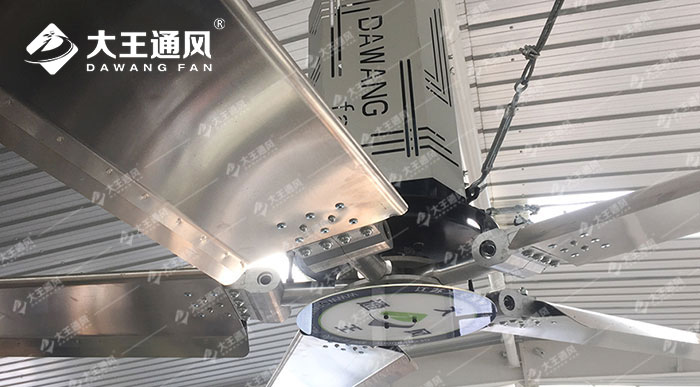
King Fan Blade: Made from 1.5 mm-thick 5052 aerospace-grade aluminum, the
blade can withstand tensile forces exceeding 3 tons. Its high material toughness
ensures that, upon impact, the blade deforms rapidly to absorb external forces,
thereby preventing fracture.
II. Match the diameter to the ceiling
height—don’t blindly go for a larger size.
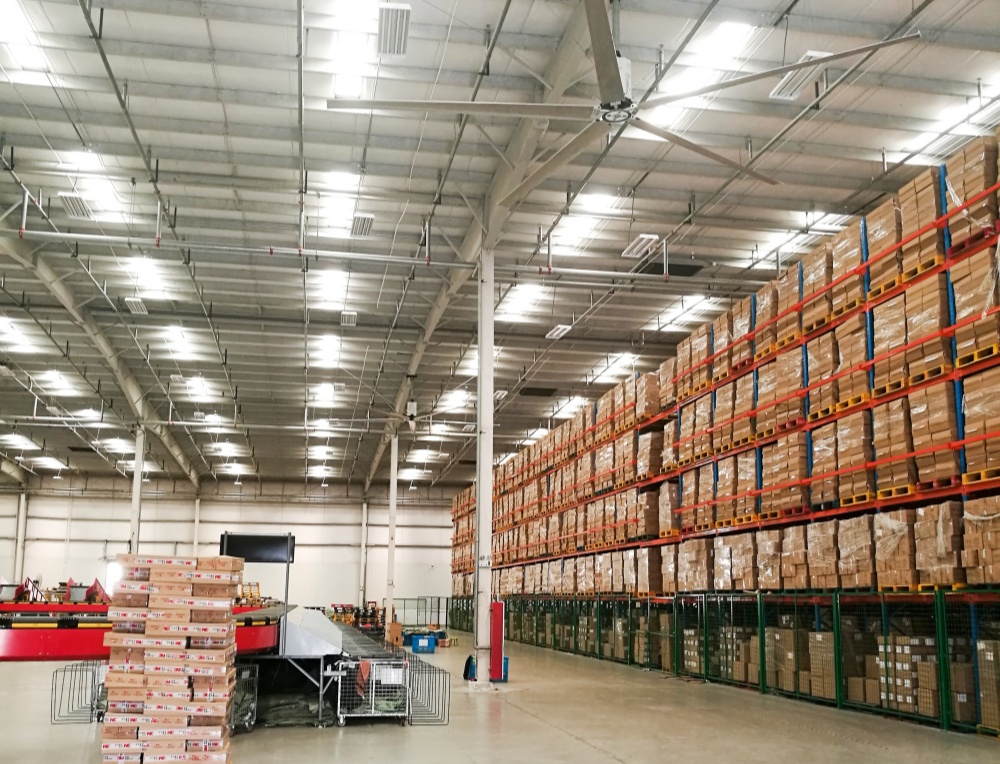
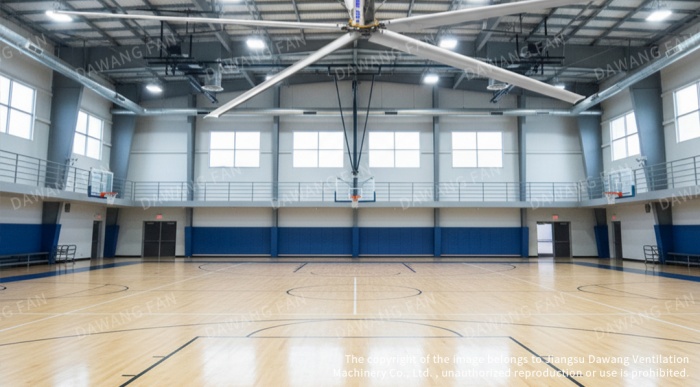
With a ceiling height of less than 6 meters, this design is compatible with fans
ranging from 3.6 to 4.9 meters in diameter, thereby preventing wasted airflow
and installation constraints caused by larger-diameter fans.
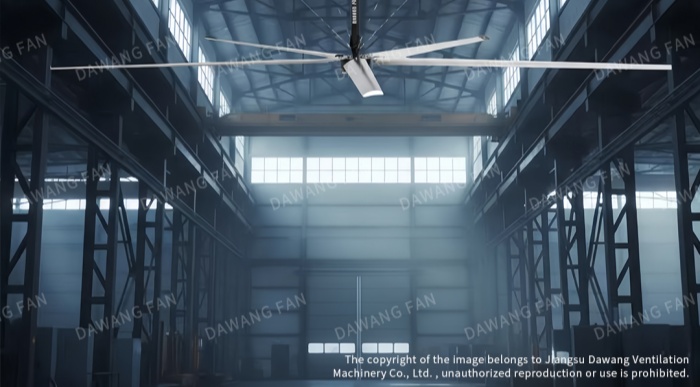
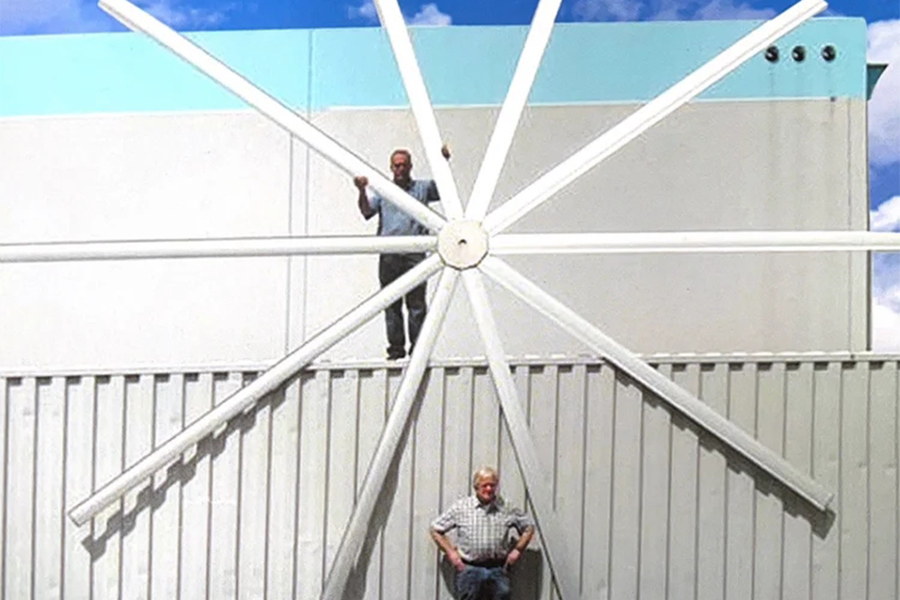
With a ceiling height of 8 meters or more, choose models with a large diameter
of 6.7 to 8 meters to achieve full-space airflow coverage, delivering a more
pronounced ventilation and cooling effect.
III. When evaluating motors over the long term,
permanent-magnet synchronous motors are more cost-effective.
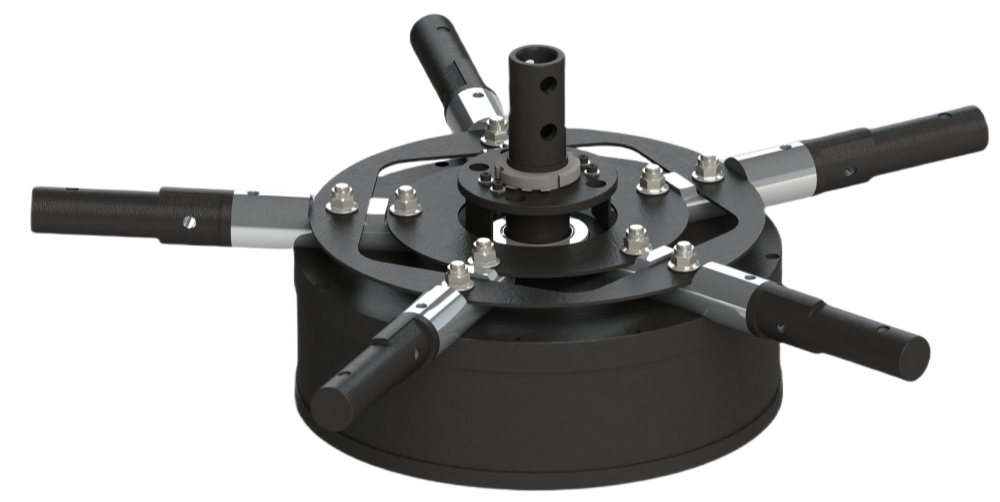
Traditional motors: high energy consumption, require a gearbox, need regular
maintenance, and have high total cost of ownership over the long term.
Permanent-magnet synchronous motor: 30% energy savings, fully enclosed
and maintenance-free, low noise and low temperature rise—making it the
preferred choice for long-term operation.
When selecting industrial ceiling fans, prioritizing value over mere low cost
delivers far better results. Choosing the right blade material, matching the fan
diameter to the ceiling height, and opting for a high-efficiency motor are
essential to balancing safety, cooling performance, and overall operating costs.
The DaWang Ventilation expert team offers on-site assessments and can tailor a
customized fan selection and installation solution to meet your specific needs.