Autumn is not the end of ventilation; rather, it is the ideal time to “equalize” the air in the workshop.
As September begins, many factories start to “give industrial ceiling fans a break.” Yet in the thousands of workshops we’ve visited, this decision often comes with three hidden costs.
The first assumption: “It’s not hot in autumn anymore.”
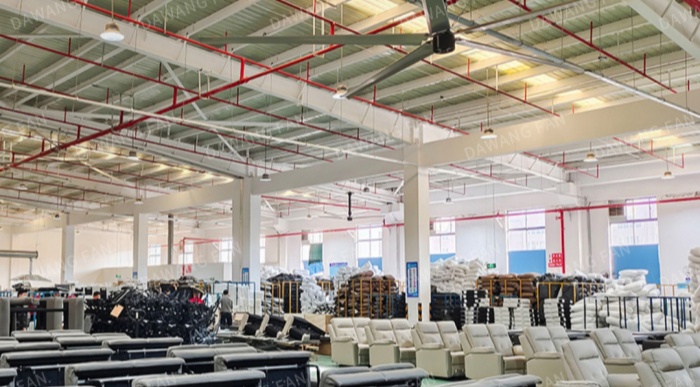
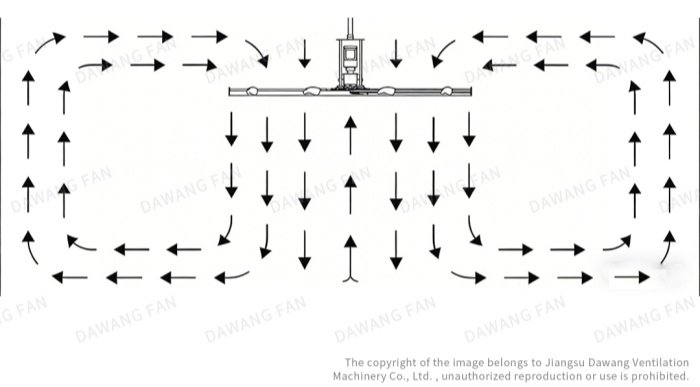
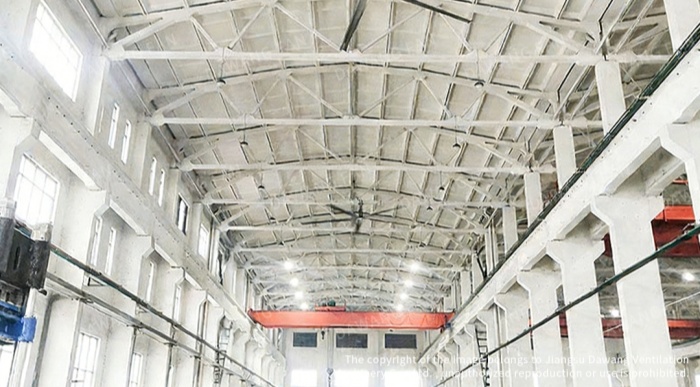
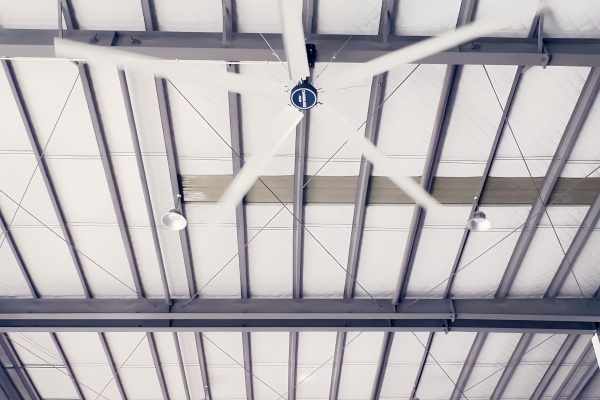
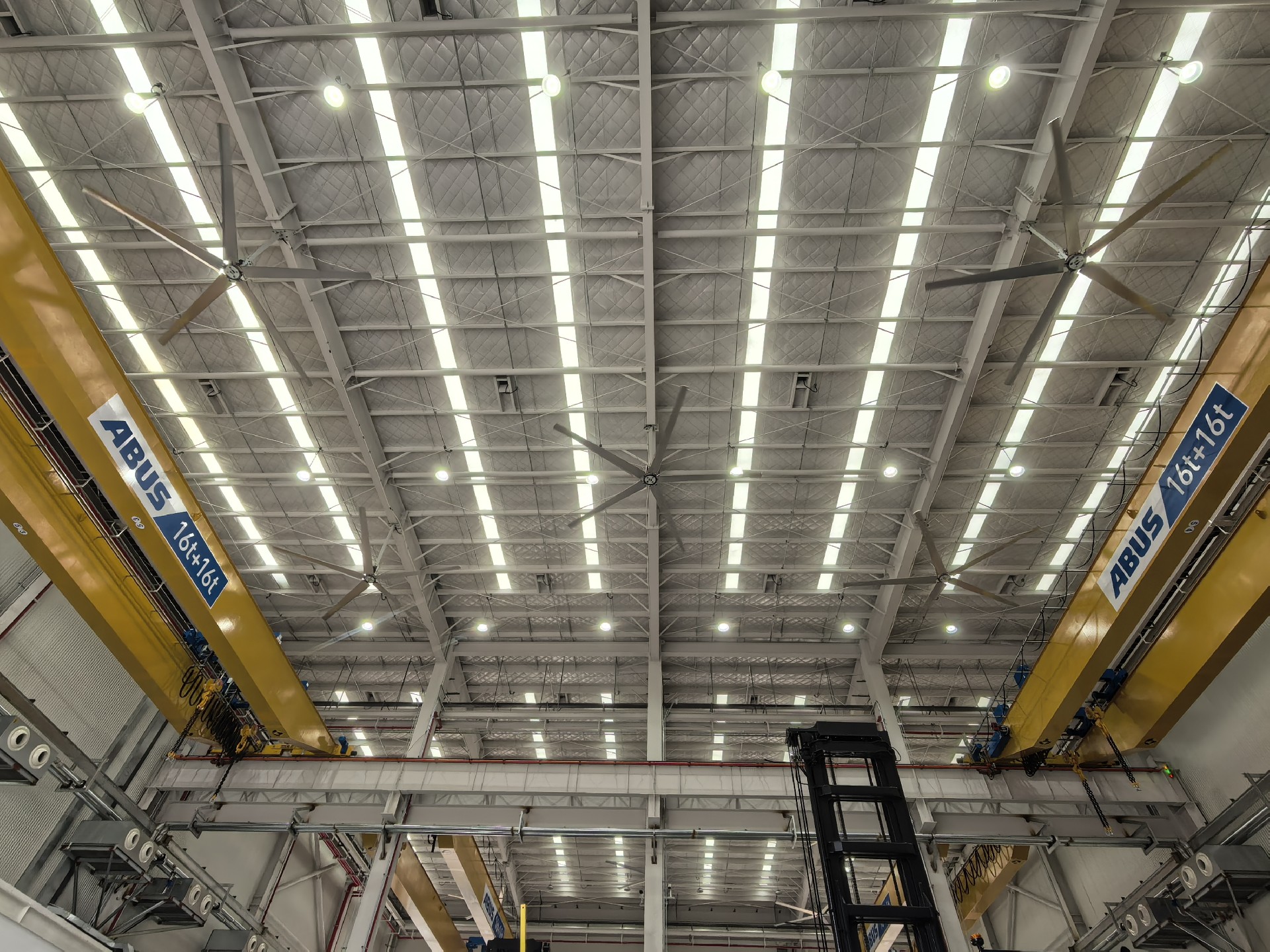
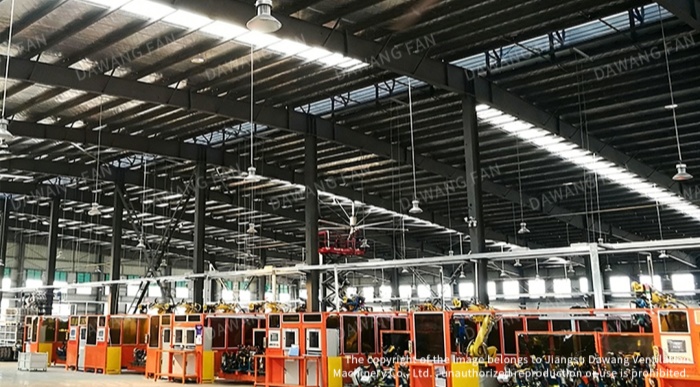
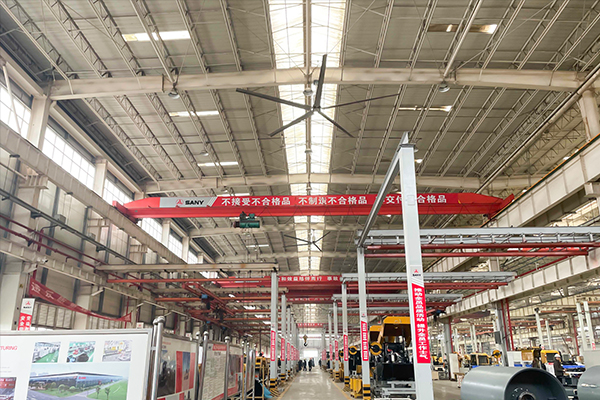
The muggy heat of the “autumn tiger” is only one aspect; the real issue lies in the roof. In high‑ceilinged spaces, there is a pronounced… Temperature stratification The temperature difference between the roof and the floor often reaches several degrees Celsius, causing hot air, exhaust gases, and welding fumes to linger in the upper layers without being able to escape. As soon as the fan stops, the air throughout the entire floor “settles” downward, and dust, odors, and moisture once again accumulate at lower levels.
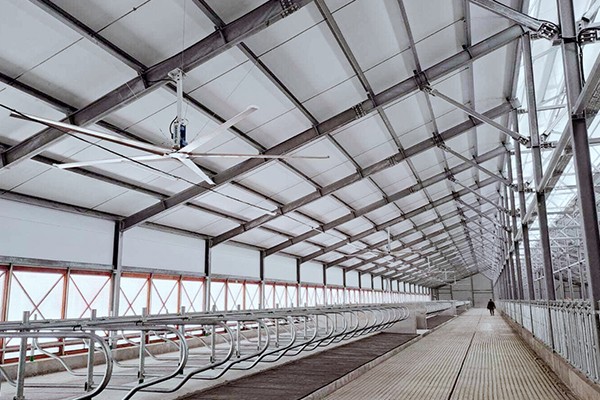
The second assumption: “Autumn is dry, so there’s no need to worry about humidity.”
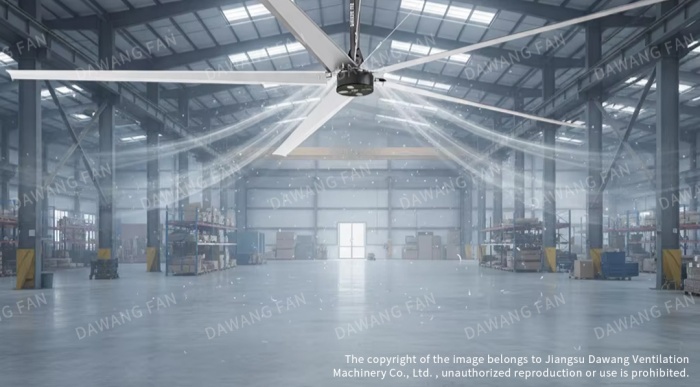
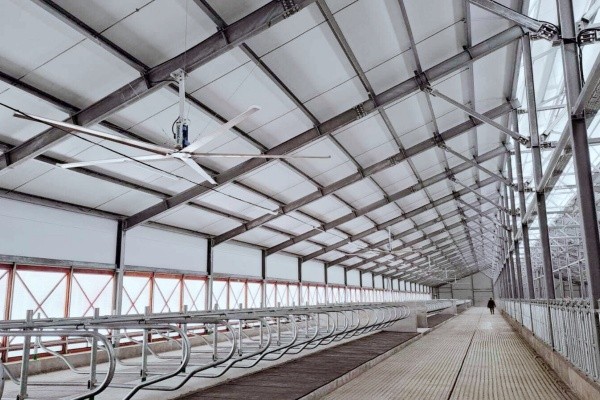
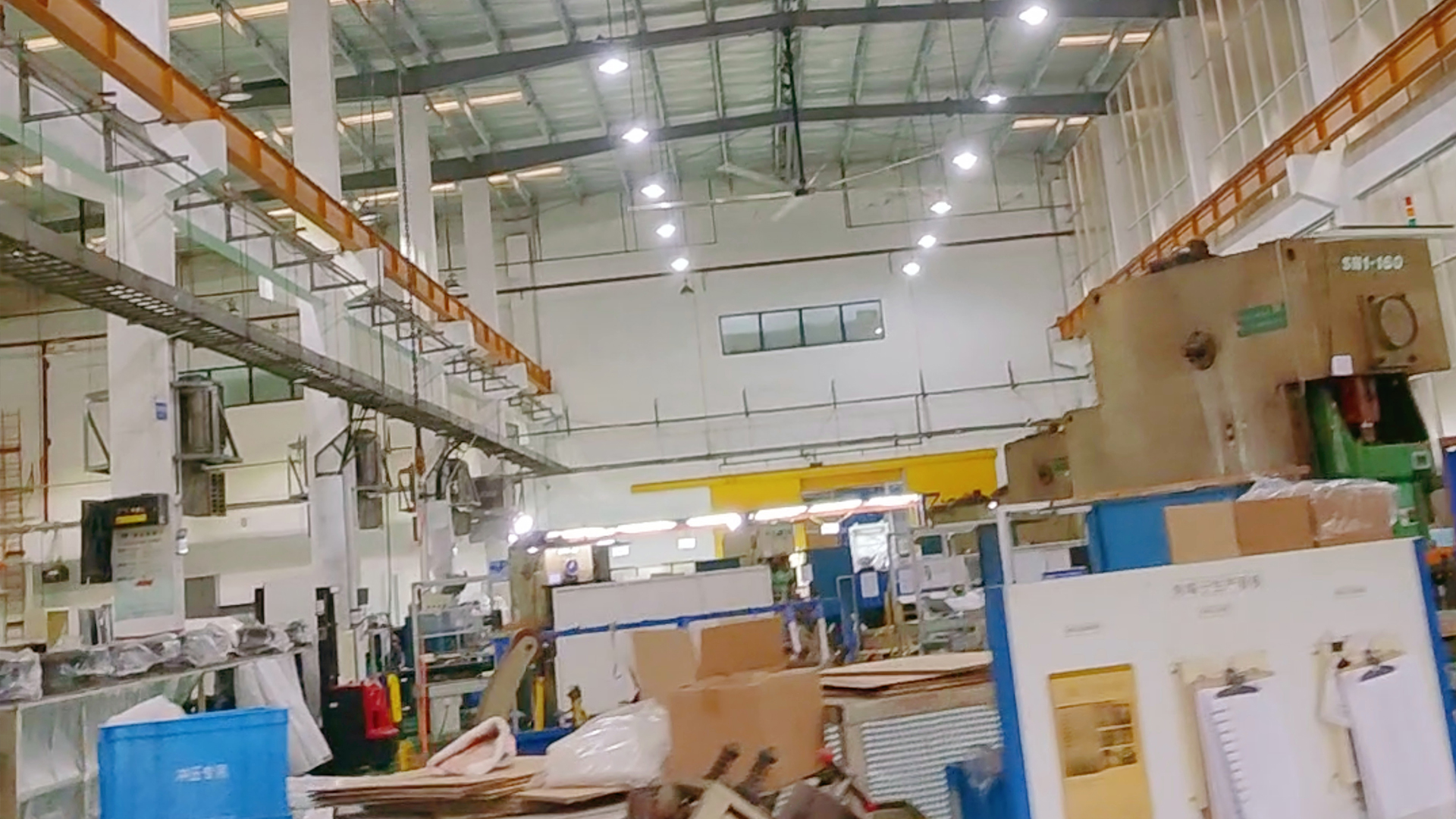
On the contrary. After September, the diurnal temperature range widens, making steel‑frame warehouses particularly prone to condensation in the early morning—leading to equipment corrosion, cardboard boxes becoming damp, and raw materials molding—losses that often far exceed electricity costs. A sustained low‑velocity airflow continuously disperses the layer of moist air near the ground and metal surfaces, preventing condensation from forming.
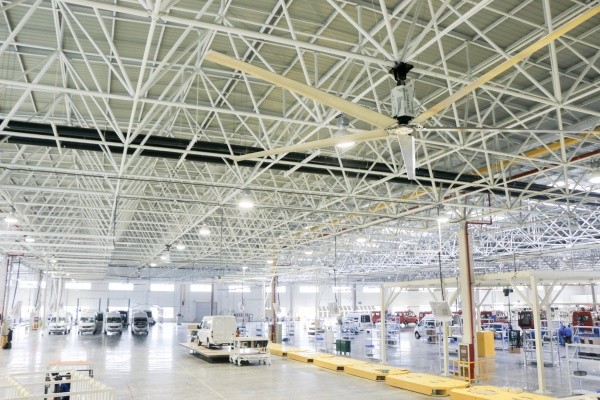
The third assumption: “Using a fan in winter will make you feel even colder.”
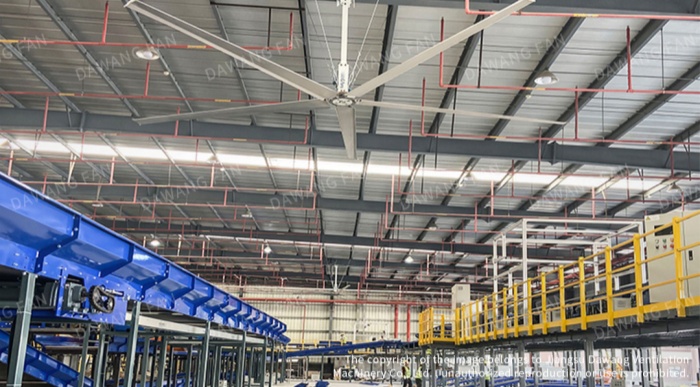
This is the biggest misconception about HVLS. In winter, switching to… Reverse low-speed mode This allows the hot air accumulated in the roof space to be gently forced back toward the work area, reducing the temperature difference between upper and lower levels. As a result, the heating system no longer needs to repeatedly heat the air layer beneath the roof, leading to a reduction in heating energy consumption.
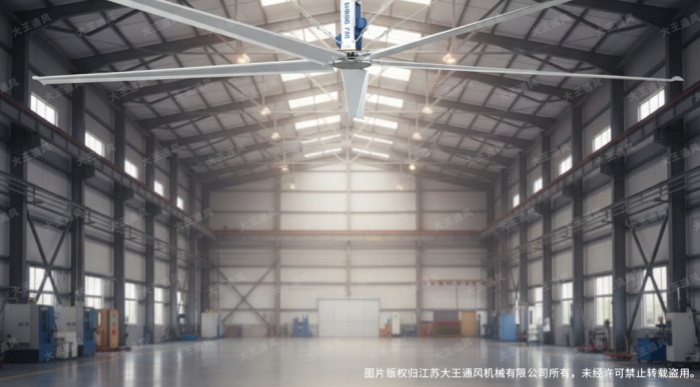
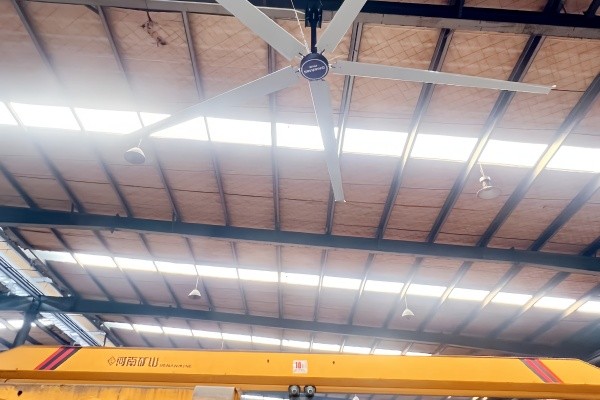
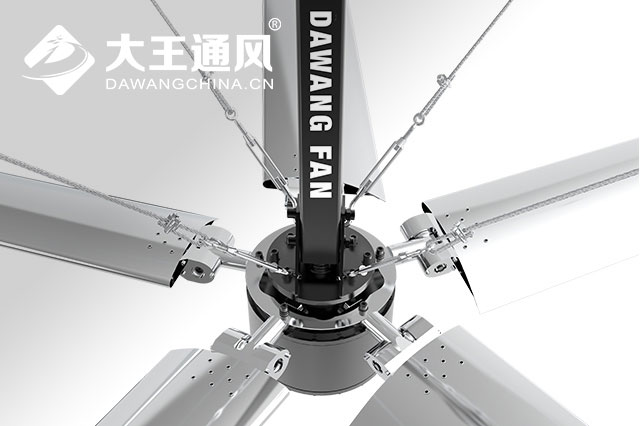
A fan with an 8.5-meter diameter, rated at about 1.5 kW, consumes roughly one kilowatt-hour per hour—far cheaper than the hidden losses incurred by leaving it turned off.
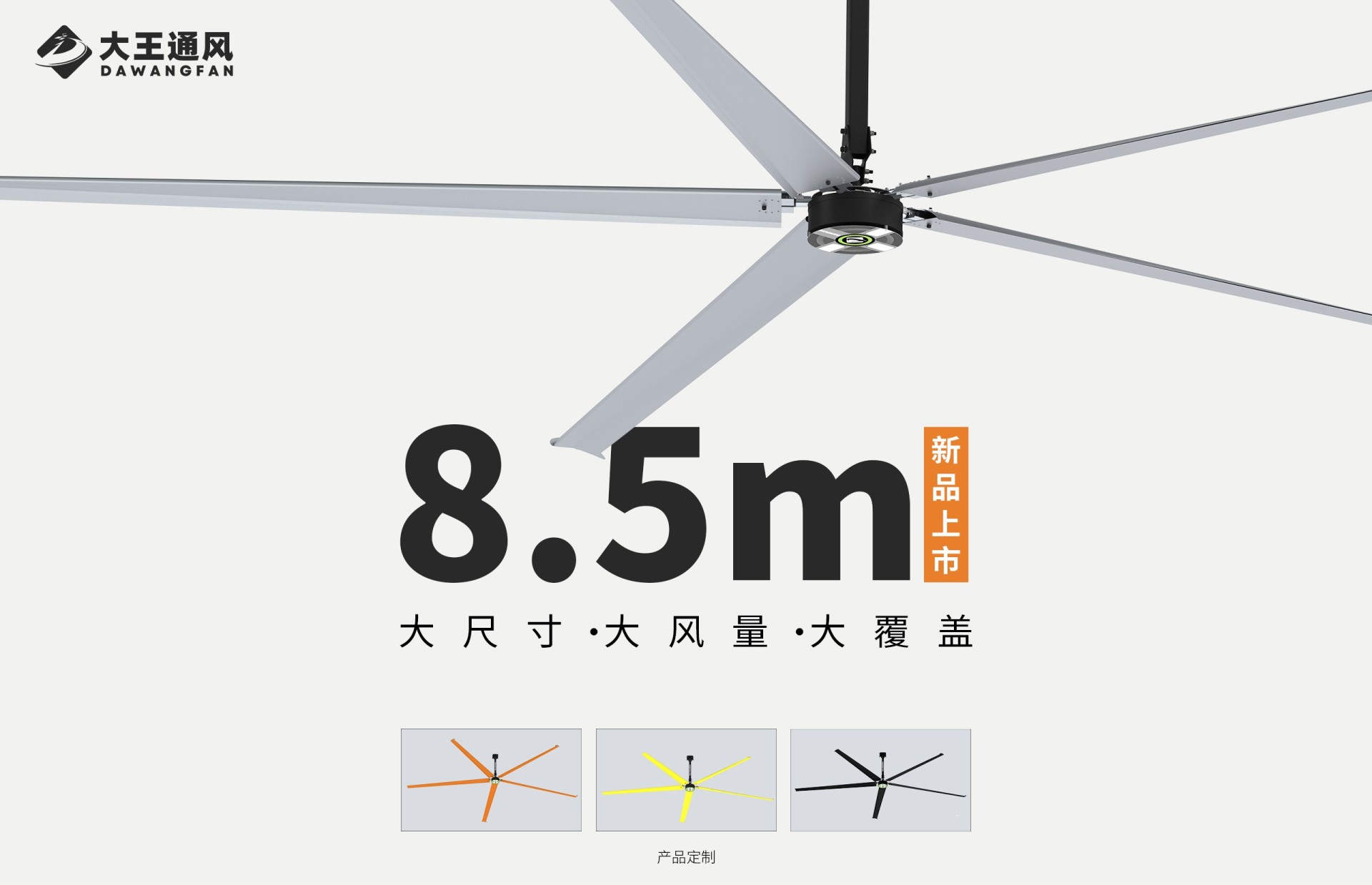
The Great King’s suggestion is very simple: Let the fan operate based on temperature and humidity, rather than on the calendar. When paired with the DAWANG BOX control system, functions such as temperature and humidity linkage, zone‑based speed adjustment, and scheduled on/off operation can all be managed from your smartphone.