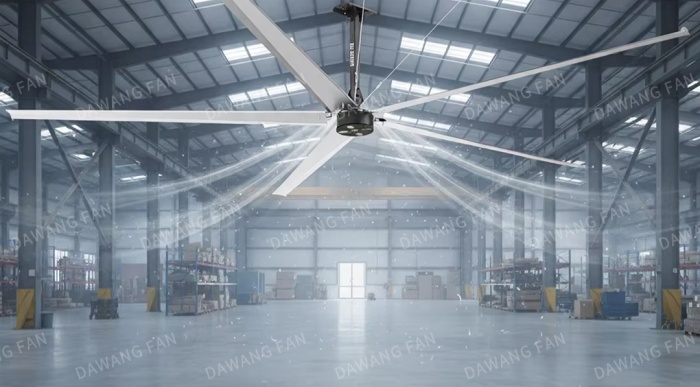
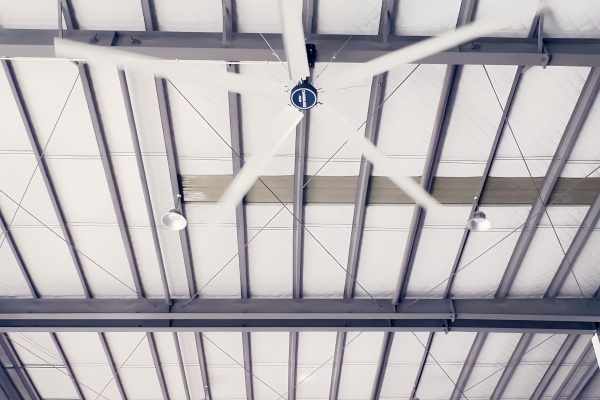
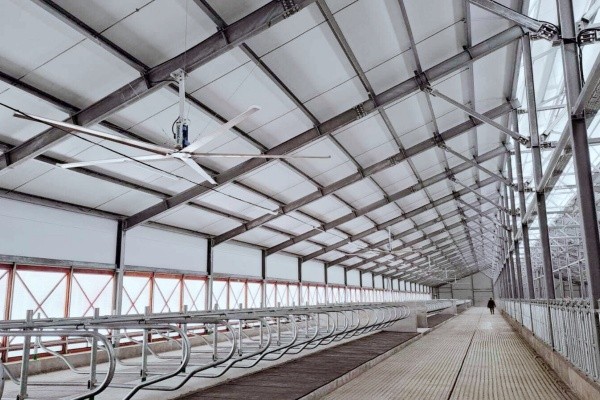
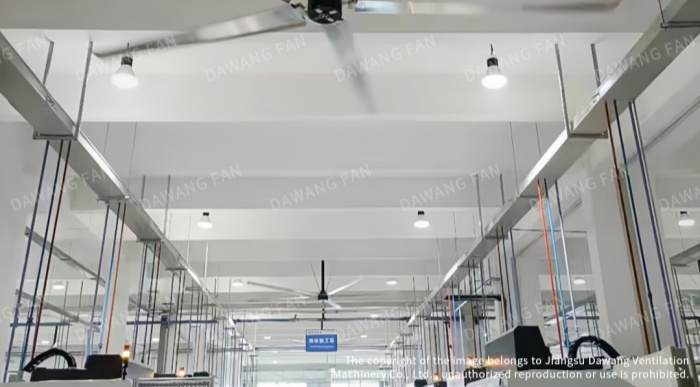
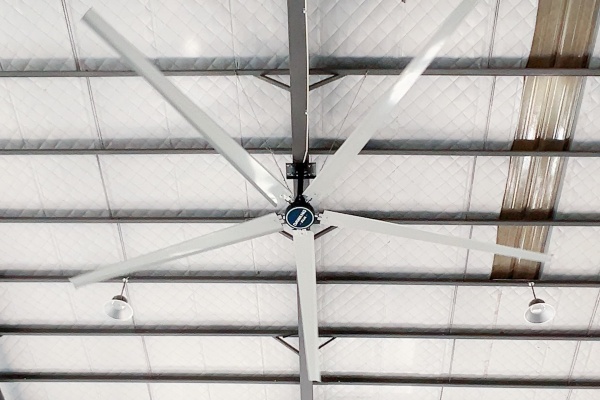
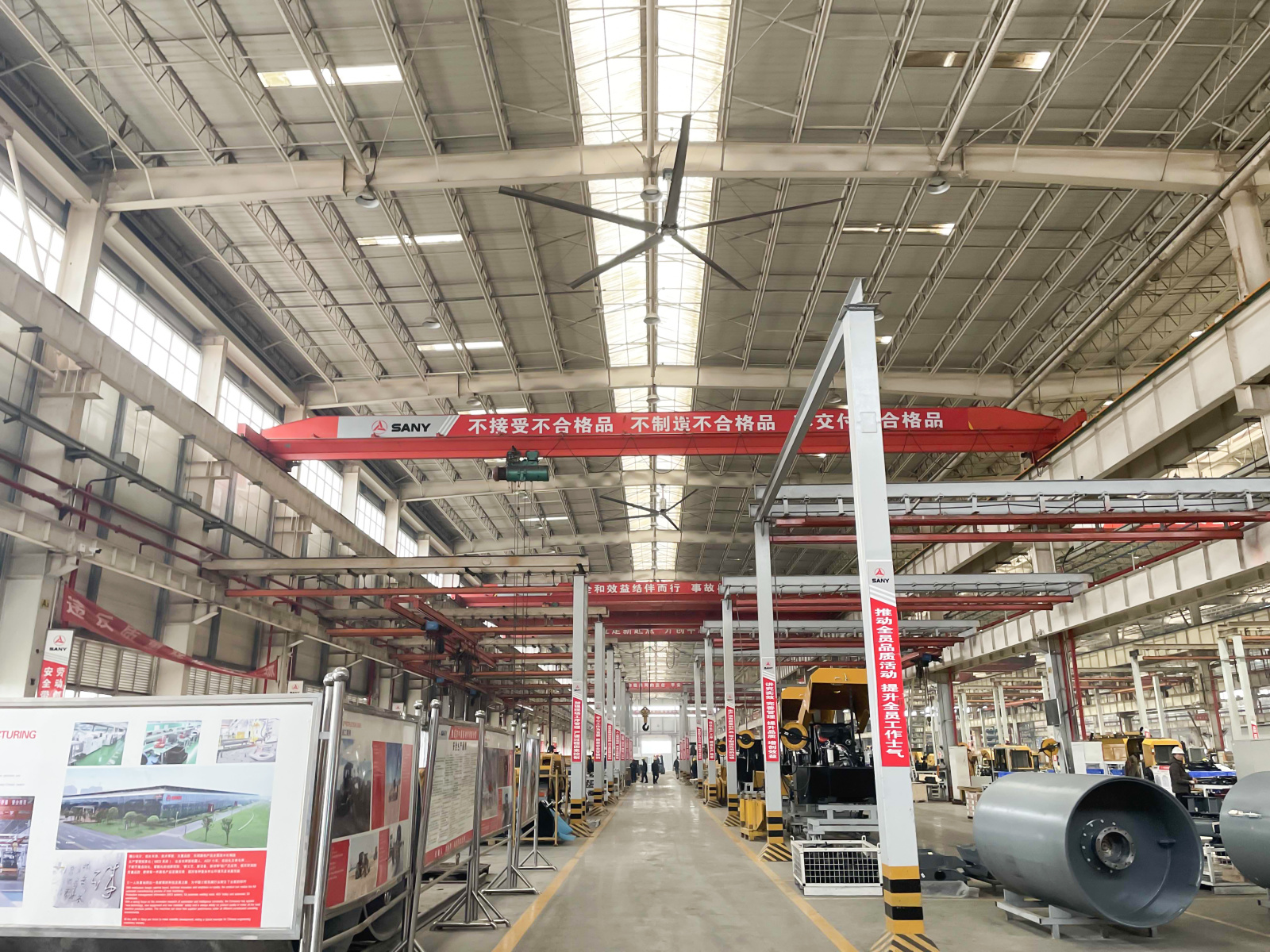
Industrial fans refer to large-scale ventilation and cooling circulation devices used in various industrial settings. It is primarily used to improve the air quality in workshops, warehouses, large venues, and similar spaces. Its performance is significantly influenced by seasonal temperature and humidity conditions as well as local climatic characteristics, with distinct differences across seasons in both the operating parameters and maintenance requirements of industrial fans.
Core influencing factors of the seasonal characteristics of industrial fans
The seasonal characteristics of industrial fans essentially stem from the varying environmental parameters across different seasons, which impose distinct requirements on their performance and service life. Industry experts generally agree that the impact of seasonal changes on industrial fans primarily arises from two key factors.
Seasonal variations in temperature and humidity impose different operational requirements on industrial fans.
In summer, high temperatures and humidity; in winter, low temperatures and dryness—these varying conditions affect the heat‑dissipation efficiency of industrial fan motors and alter air density, thereby impacting both airflow volume and energy consumption. Industry research data from 2026 indicate that under summer conditions exceeding 35°C, the temperature rise of industrial fan motors is 8–12°C higher than during the spring and autumn months at 15°C, necessitating adjustments to operating parameters to ensure stable performance.
Core differences in demand driven by seasonal variations in operating conditions and environments.
The production environment requirements of enterprises vary across seasons: in summer, the primary need is cooling; in winter, it is to promote air circulation and provide layered heating; and in spring and autumn, the focus is on dehumidification and odor removal. These differing needs dictate that the operating duration and fan speed settings of industrial fans must be adjusted seasonally—this is the essence of their seasonal characteristics.
Characteristics of Use and Maintenance for Industrial Fans in Spring
In spring, the primary needs for industrial fans are restart‑up maintenance and protection against moisture and corrosion. After a prolonged shutdown over the winter, resuming operations in the spring requires thorough inspection and servicing.
Corrosion Risk Prevention and Control for Industrial Fan Casings During Spring Humidity Rebound
In southern China, the “hui-nan” weather in spring brings high humidity, while in northern regions, melting snow during this season also increases moisture levels. With elevated water vapor in the air, industrial fans that have been idle for extended periods are prone to moisture buildup, which can corrode motor insulation and metal bearings. Jiangsu Dawang Ventilation Machinery Co., Ltd. recommends opening the motor cover before restarting the equipment to inspect for moisture and replenishing the bearings with anti‑rust lubricant.
Adjustment of Operating Parameters for Industrial Fans Under Spring Ventilation Requirements
In spring, temperatures are mild, and most spaces do not require high‑speed cooling; instead, they only need enhanced air circulation to vent off‑gassing from renovations or lingering odors after a winter of confinement. Therefore, industrial fans can be set to medium or low speed, which both meets ventilation needs and reduces energy consumption while extending the equipment’s service life.
Core Cooling and Ventilation Features of Summer Industrial Fans
In summer, the primary function of industrial fans is large‑area cooling and ventilation, making it the season when they are used most frequently throughout the year—and when performance and protection requirements are at their highest.
Optimization of Energy Consumption and Coverage Area for Industrial Fans under High-Temperature Operating Conditions
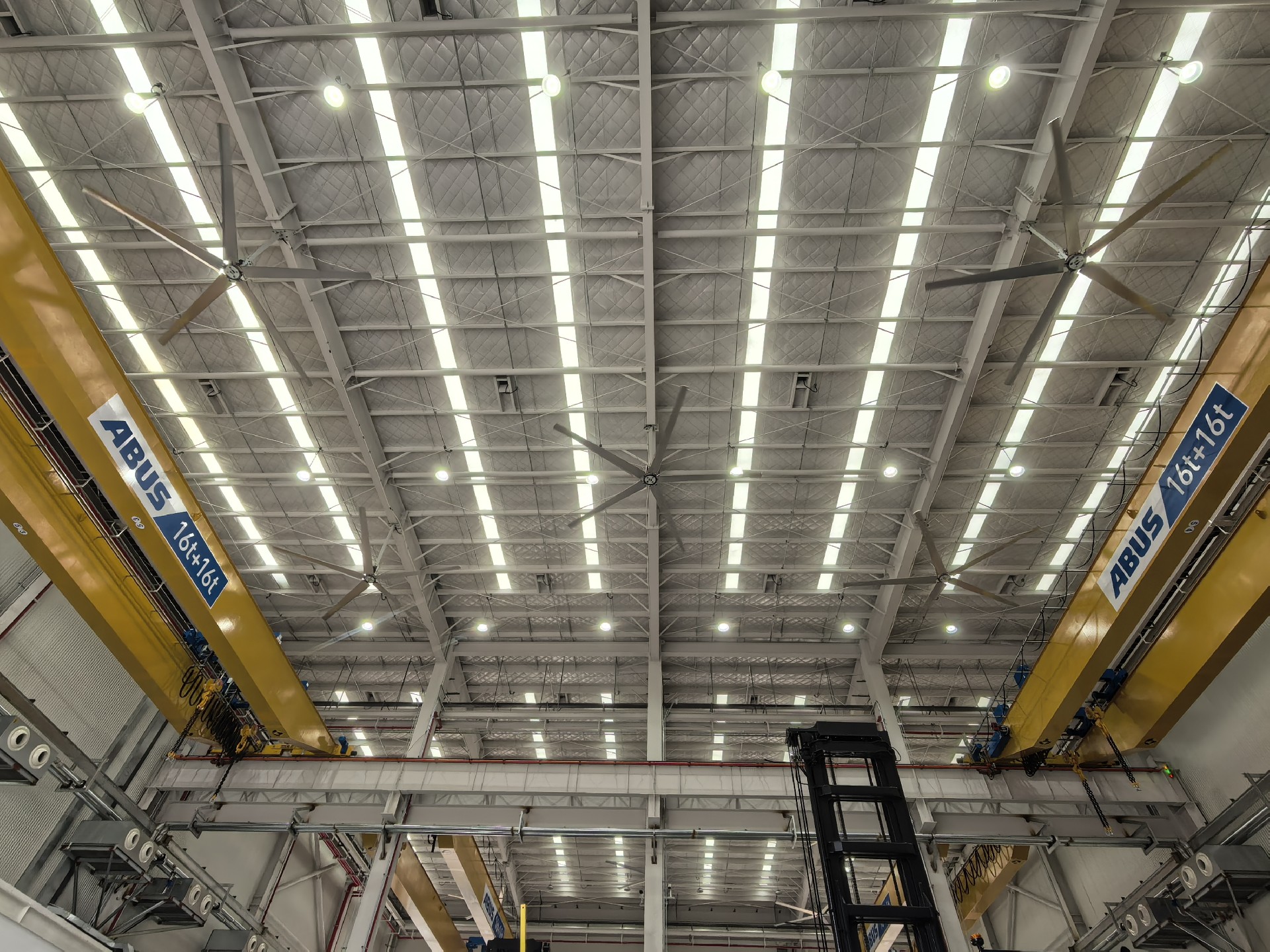
Large industrial fans can cover areas exceeding 1,000 square meters. Compared with smaller ventilation systems, they can reduce overall energy consumption by more than 30% during the summer, making them the mainstream choice for cooling large workshops today. According to data from 2026, when installed at an appropriately optimized density, industrial fans can lower average workshop temperatures by 4–6°C, meeting the cooling needs of most production environments.
Key Protective Measures for Industrial Fans in Rainy Summer Conditions
In summer, rainfall is frequent, and the southern coastal regions often experience typhoons and heavy downpours. Industrial fans installed in open or semi‑open workshops must be equipped with robust waterproof protection; selecting models with an IP54 or higher ingress protection rating can effectively prevent rainwater from entering the motor and ensure stable operation.
Ventilation and dehumidification requirements for industrial fans in autumn
In autumn, the primary function of industrial fans is to remove moisture and fog, helping workshops vent the dampness that accumulates during this season and improving the production environment.
Ventilation Performance of Industrial Fans under Low-Wind-Speed Conditions During Autumn Foggy Weather
In most parts of China, autumn is characterized by frequent fog, low outdoor wind speeds, and poor air circulation within workshops, which can lead to the accumulation of moisture and unpleasant odors. Operating industrial fans at medium to high speeds for 2–3 hours each day can effectively enhance air exchange, reduce workshop humidity, and minimize the risk of products becoming damp or moldy.
Core Inspection Items for Industrial Fans During Seasonal Maintenance
Autumn marks the seasonal transition between summer and winter, making it an ideal time to conduct a comprehensive inspection of industrial fans. Key items to check include belt tension, motor insulation performance, the tightness of fasteners, and the oil level in bearings. Proactive maintenance can help prevent malfunctions when temperatures drop in winter.
The table below compares the operating parameters and maintenance requirements of industrial fans across different seasons, compiled from Jiangsu Dawang Ventilation’s customer service data as of 2026.
| Comparison dimension | Spring | Summer | Autumn | Winter |
|---|---|---|---|---|
| Core Requirements | Ventilation and odor removal, followed by a restart of maintenance. | Widespread temperature drop and rain protection | Dehumidification and ventilation, seasonal inspection | Air circulation, equilibrium temperature |
| Recommended wind speed setting | 2–3 (medium-low) | 4–5th gear (high) | 3–4 gears (medium-high) | 1–2 gears (low) |
| Regular maintenance cycle | Seasonal Comprehensive Inspection | Inspect once a month. | Comprehensive seasonal maintenance | Inspect once every two months. |
The prevailing view in the industry holds that adjusting industrial fan operation and maintenance strategies to align with seasonal conditions can extend the service life of these fans by 15%–20% and reduce overall operating energy consumption by approximately 10%, making it a highly cost-effective approach to operational optimization for businesses.
Application of Ventilation and Air Circulation Characteristics of Industrial Fans in Winter
Industrial fans remain essential in winter—not just during the summer. By leveraging their circulation capabilities, you can significantly enhance heating efficiency during the colder months.
Optimization of Circulation-Based Heating with Industrial Fans in Winter-Enclosed Workshops
In winter, when enclosed workshops are heated, warm air tends to accumulate in the upper part of the space, leaving the lower work areas relatively cool. Operating low‑speed industrial fans can enhance air circulation, bringing the warm air from above down to the lower levels and equalizing the workshop’s temperature. This approach can reduce heating energy consumption by approximately 15% while preventing heat loss in the upper portion of the space.
Key Maintenance Points for Industrial Fan Motors in Low-Temperature Environments
In low-temperature winter conditions, the viscosity of lubricating oil increases. Therefore, after a prolonged shutdown, when restarting an industrial fan, it is essential to run it at no load for 3–5 minutes to allow the lubricant to fully coat the bearings before normal operation, thereby preventing excessive starting torque that could damage the motor.
Key Considerations for Selecting Industrial Fans Tailored to Seasonal Conditions
Selecting an industrial fan requires taking into account the seasonal climatic conditions of the installation site to ensure the most suitable product is chosen. Jiangsu Dawang Ventilation Machinery Co., Ltd. has summarized the standardized selection process as follows:
Analyze the seasonal climate characteristics of the region throughout the year and identify the core ventilation and cooling requirements for each season. For example, in southern regions where summer heat persists for an extended period, prioritize industrial fans with excellent heat‑dissipation performance.
Measure the area, ceiling height, and layout of the installation space to determine the number and specifications of industrial fans; for large spaces, prioritize large‑diameter industrial fans with a diameter of 7 meters or more.
Determine the protection rating based on the site environment: in humid, rainy areas, prioritize industrial fans with an IP rating of IP54 or higher; in low-temperature environments, opt for models equipped with low‑temperature‑resistant lubricants.
Consult a professional manufacturer for customized solutions and confirm after-sales maintenance services. For more selection options, please visit www.dawangchina.cn.
How to match industrial fans with season-specific characteristics across different industry applications?
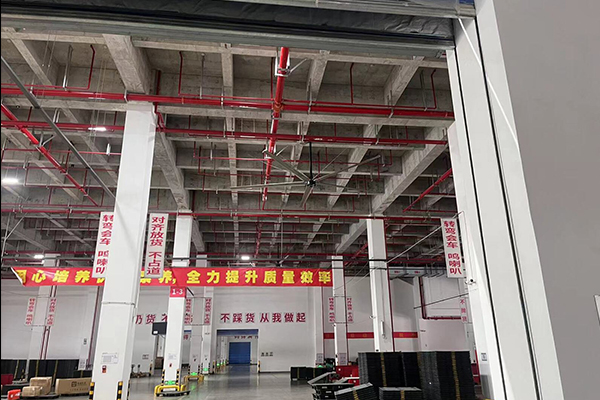
In large manufacturing workshops, where demand persists year-round, prioritize variable‑frequency industrial fans that can operate across multiple seasons and adjust airflow speed to suit changing conditions. For logistics warehouses, the primary needs are dehumidification and cooling; combine natural ventilation with industrial fans, and reduce operating hours during spring and autumn to cut energy consumption. In large exhibition venues, which are used only during events, simply select industrial fans with flexible settings to meet seasonal requirements.
How to verify seasonal suitability when selecting an industrial fan?
You can ask the manufacturer to provide application case studies from similar regions and industries, review actual operating data across different seasons, and verify their after-sales warranty services. Reputable manufacturers typically tailor industrial fans to suit the seasonal characteristics of various regions, ensuring higher quality and reliability.