Core Definition and Application Scenarios of Industrial Fans
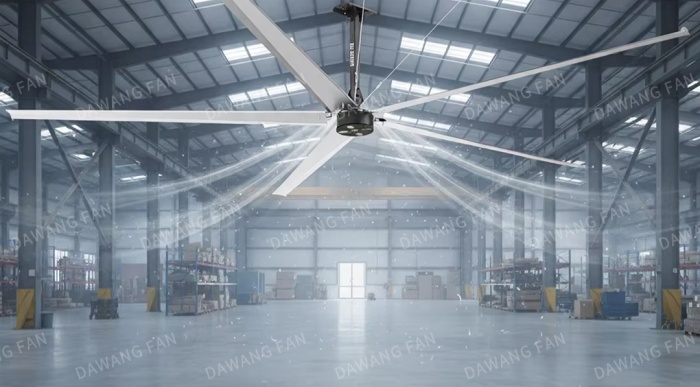
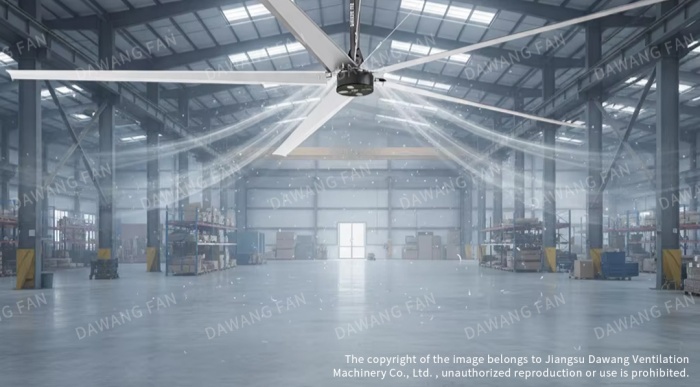
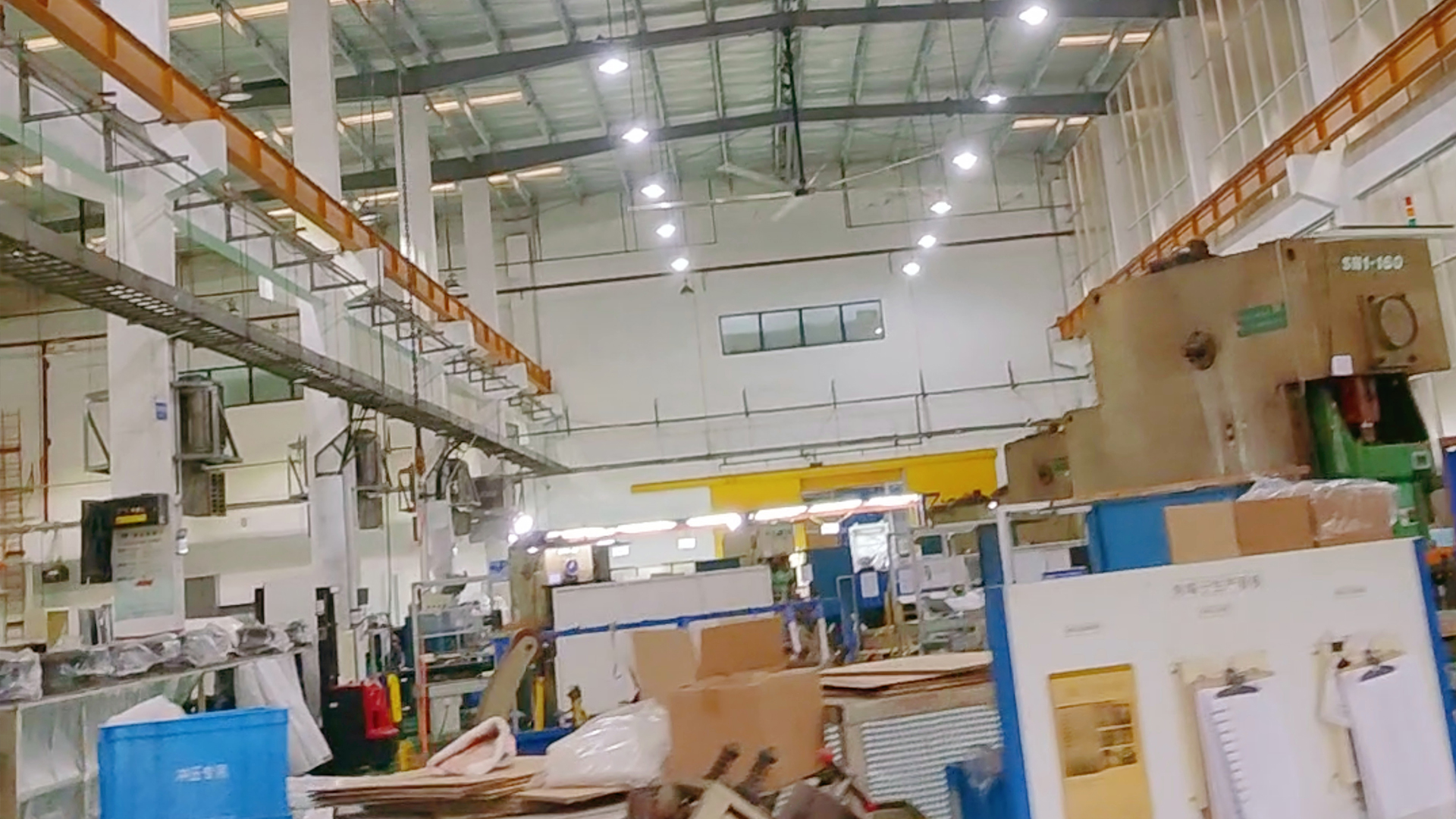
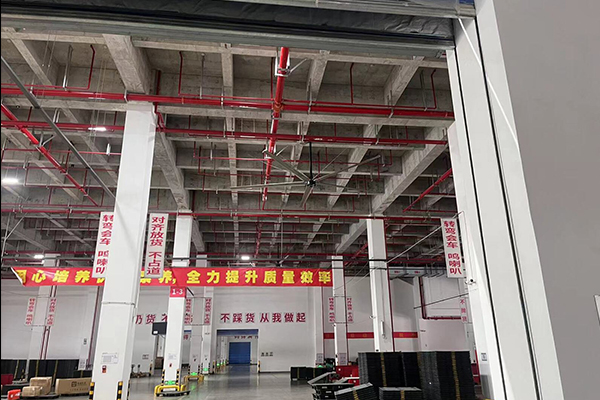
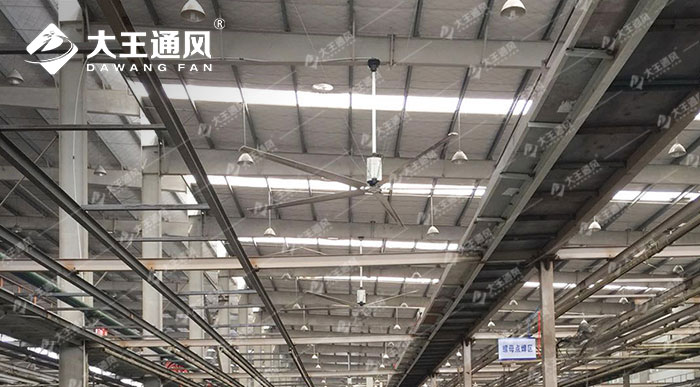
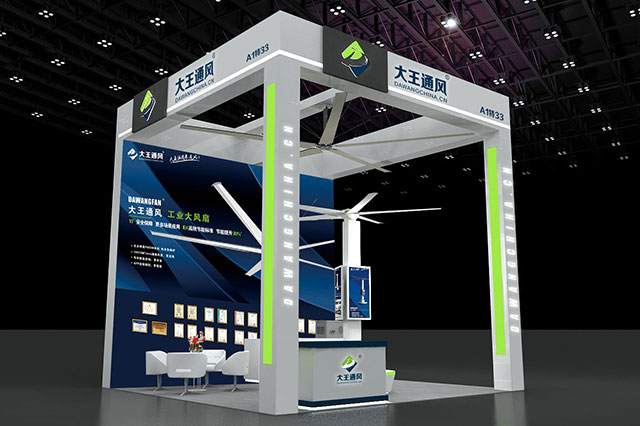
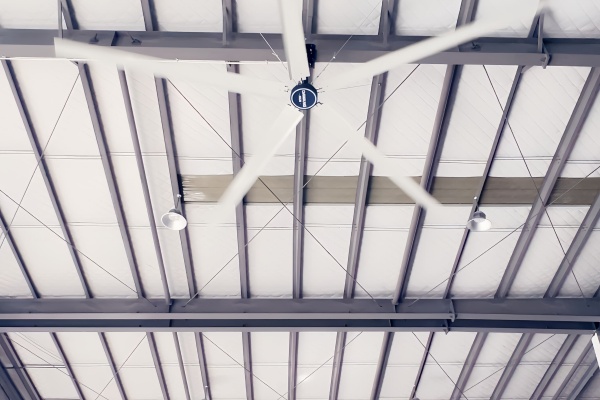
An industrial fan is a large ventilation device specifically designed for ventilation and cooling in industrial settings. Compared with ordinary household fans, industrial fans boast a wide coverage area, high airflow, and exceptional durability, making them well-suited to meet the ventilation and cooling needs of open spaces such as factory workshops, warehousing and logistics facilities, and large venues. Jiangsu Dawang Ventilation Machinery Co., Ltd., a specialized manufacturer, has served thousands of domestic industrial enterprises over the years, accumulating extensive industry expertise. For more product specifications, please visit our official website at www.dawangchina.cn.
Q: What is the difference between an industrial fan and a regular fan?
Industry experts generally agree that the key differences between the two lie in their application scenarios and design standards: industrial fans are engineered to withstand high‑temperature, dusty, and heavily loaded operating conditions. Their housings, motors, and blades are constructed from higher‑grade materials, enabling continuous operation for more than ten times the duration of standard fans. Moreover, a single unit can cover an area of up to several thousand square meters—far exceeding the coverage of typical residential fans.
Q: In which scenarios should industrial fans be used?
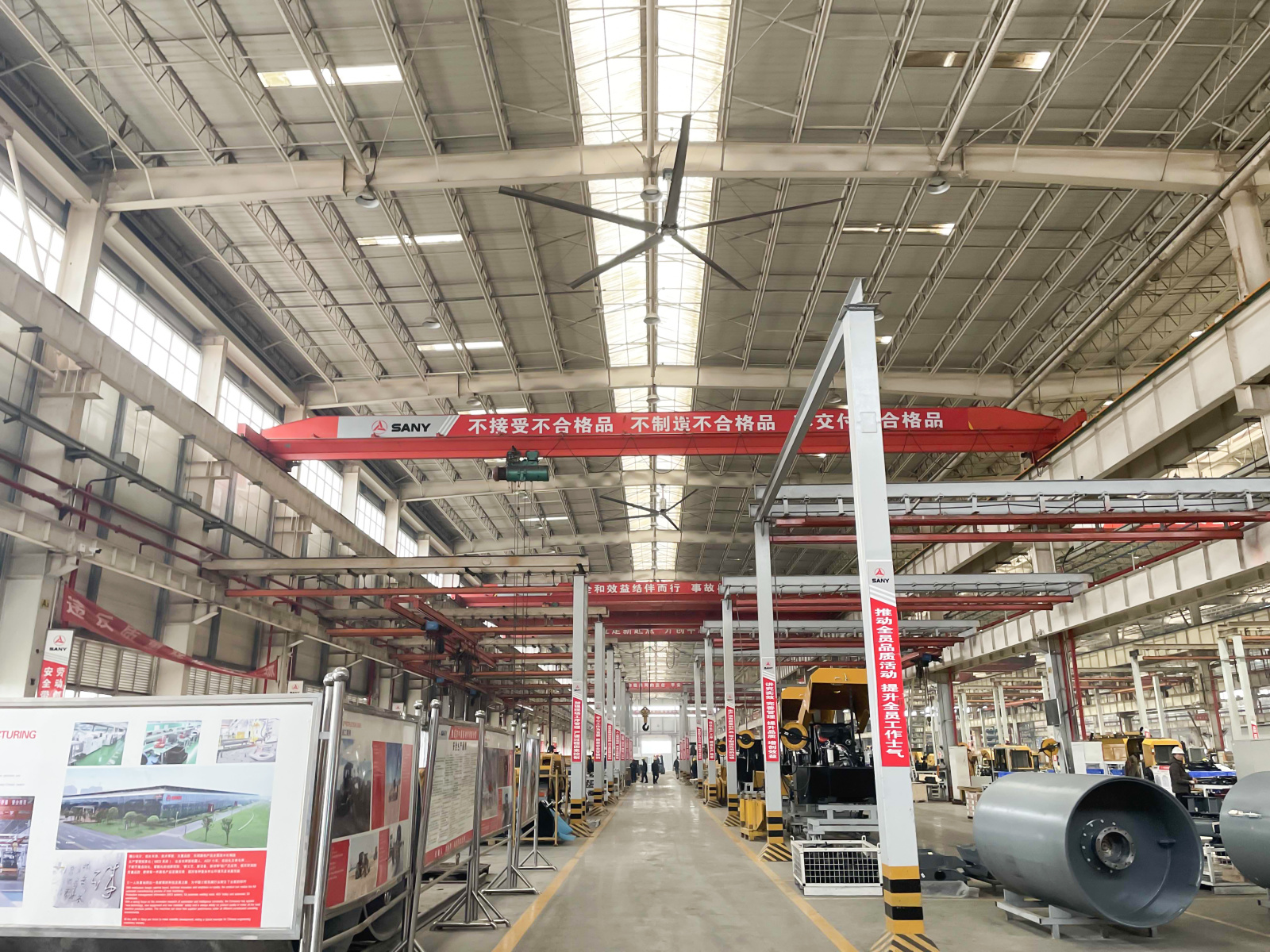
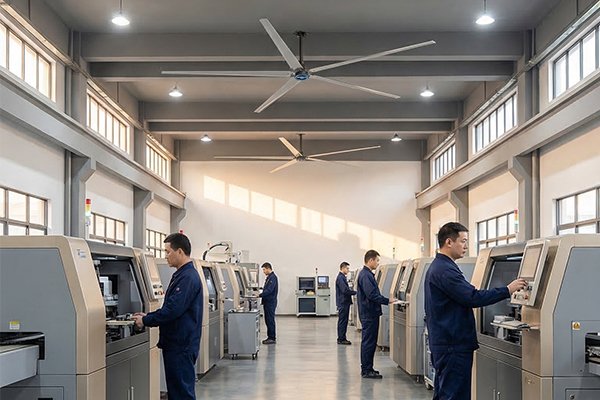
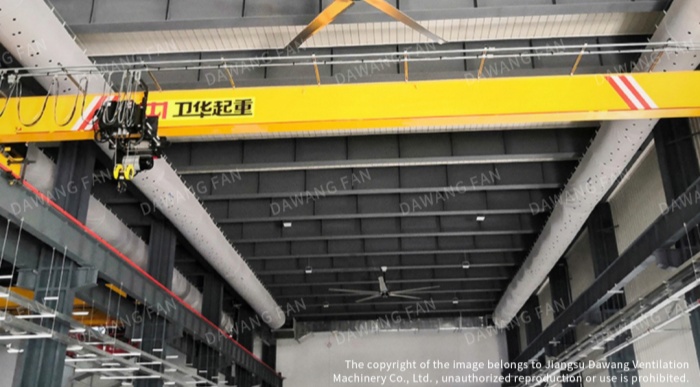
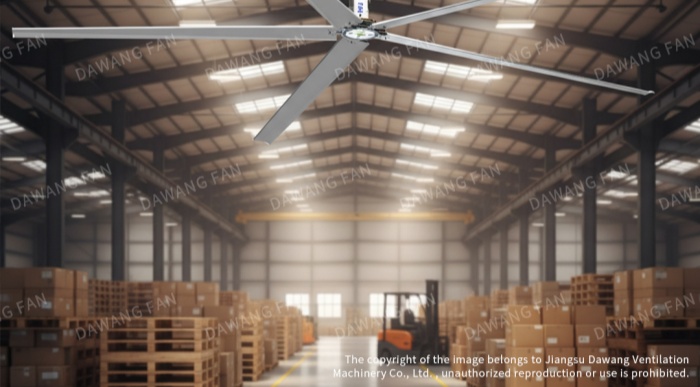
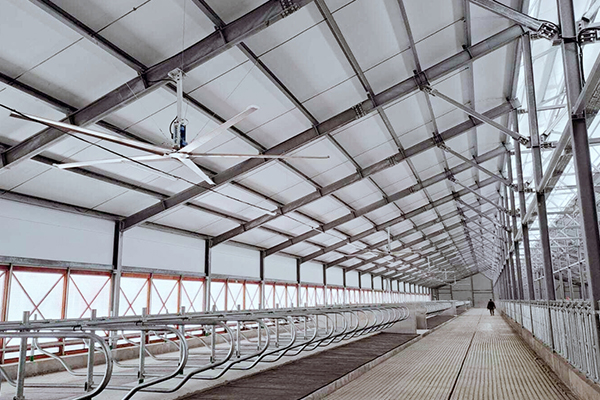
Industry data from 2026 indicates that the core application scenarios for industrial fans include production workshops larger than 500 square meters, logistics and warehousing facilities, large exhibition and convention centers, automotive 4S‑store repair shops, and livestock farms—open‑space environments that require ventilation. These fans can effectively address issues of high temperatures, stifling heat, and poor air circulation.
FAQ on Industrial Fan Selection
The key to selecting an industrial fan lies in matching its power and size to the facility’s floor area, ceiling height, and operational requirements. Avoid blindly opting for oversized units or the lowest‑priced models; only the right model can ensure optimal performance.
Q: What size industrial fan should I choose for different ceiling heights?
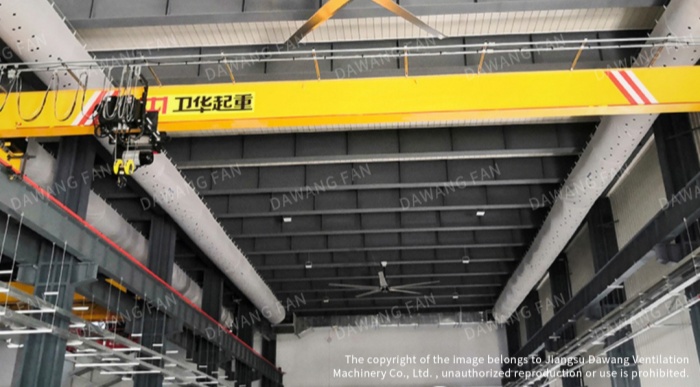
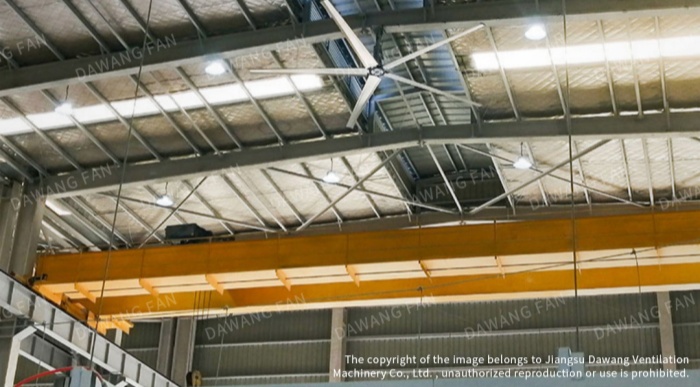
Selection should be based on the building’s ceiling height. Generally: for ceilings 3 to 5 meters high, choose industrial fans with diameters of 1.5 to 3 meters; for ceilings 5 to 10 meters high, opt for large‑scale industrial fans measuring 4 to 6 meters in diameter; and for open‑plan facilities with ceilings exceeding 10 meters, it is recommended to install industrial ceiling fans with diameters of 7 meters or more to ensure adequate airflow coverage.
Q: In high-temperature, high-humidity environments, what type of industrial fan should be selected?
For high‑temperature, high‑humidity environments such as textile and food‑processing workshops, it is essential to select industrial fans with an ingress protection rating of IP54 or higher. The motors should feature moisture‑resistant insulation, and the fan blades must be made from corrosion‑resistant materials. This approach extends equipment life and reduces the frequency of failures. Jiangsu Dawang Ventilation can customize industrial fan products that meet specific environmental requirements based on varying operating conditions.
FAQ on Industrial Fan Installation
The installation of industrial fans must meet three core requirements: structural load-bearing capacity, available installation space, and electrical safety. Installation should not be forced if these requirements are not met, as doing so could create serious safety hazards.
Q: What are the requirements for roof load-bearing capacity when installing industrial fans?
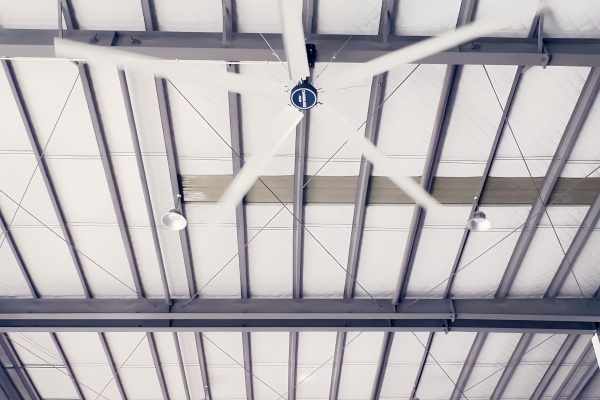
In general, industrial ceiling fans with a diameter of 7 meters or less require an installation point capable of supporting at least 500 kg; for large industrial fans exceeding 7 meters in diameter, the load‑bearing capacity should be no less than 800 kg. In steel‑frame workshops, a beam thickness of at least 5 mm is sufficient to meet the needs of most applications. Dawang Ventilation can dispatch engineers to your site to assess the load‑bearing conditions and provide a professional installation plan.
Q: What safety clearance should be maintained between the installation of industrial fans and other equipment?
The tip of the industrial fan blade must maintain a minimum clearance of 30 cm from surrounding obstacles and be mounted at least 2.8 meters above the ground to prevent accidental contact and ensure optimal airflow. After installation, reputable manufacturers conduct dynamic balancing tests and safety inspections to guarantee stable operation.
Common Issues in the Use and Maintenance of Industrial Fans
Proper routine maintenance can extend the service life of industrial fans and reduce the likelihood of failures. The daily maintenance procedure is straightforward—simply follow the established steps.
The core steps of routine industrial fan maintenance are as follows:
Inspect the tightness of fixed bolts once a month; if any are found loose, tighten them promptly to prevent operational vibration.
Clean the blade surfaces of dust and oil contamination once per quarter to prevent dust buildup from increasing operational load.
Lubricate the bearings with grease every six months to ensure smooth motor operation.
Conduct an annual power-off inspection of insulation performance to eliminate potential leakage hazards.
Q: What should I do if an industrial fan makes unusual noises during operation?
Most abnormal noises are caused by loose bolts, unbalanced blade fouling, or insufficient lubrication of the bearings. Follow the maintenance procedures outlined above to systematically troubleshoot each potential cause. If the noise persists after troubleshooting, contact the manufacturer’s service engineers for on-site inspection and repair; do not attempt to disassemble the equipment yourself.
Q: What is the typical service life of an industrial fan, in years?
According to the industry’s mainstream standards in 2026, a qualified industrial fan can have a service life of over 10 years under normal operating conditions. Core motors from reputable manufacturers typically come with a 3–5 year warranty, while industrial fans produced by Jiangsu Dawang Ventilation feature all‑copper‑wound motors, backed by a 5‑year warranty and lifetime maintenance support.