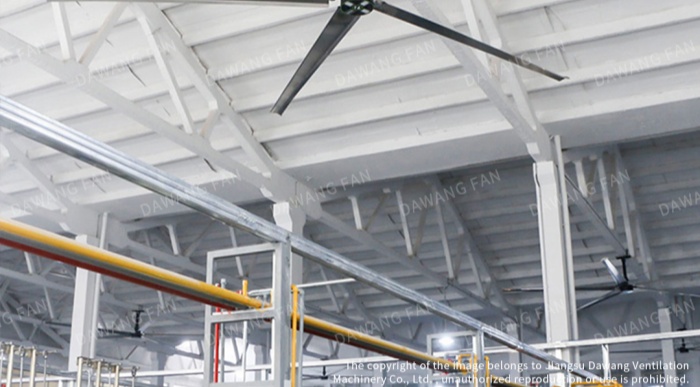
July’s Scorching Heat Strikes: How to Tackle Thermal Stratification in the Workshop?
Since the onset of the “Dog Days,” the middle and lower reaches of the Yangtze River have endured sustained high temperatures, with many factory workshops experiencing a typical “thermal stratification” phenomenon: scorching heat near the roof while the floor remains stiflingly humid. Conventional small fans can only provide localized airflow, failing to eliminate the vertical temperature gradient—workers feel cool in the breeze but break into a sweat as soon as they step out of it.
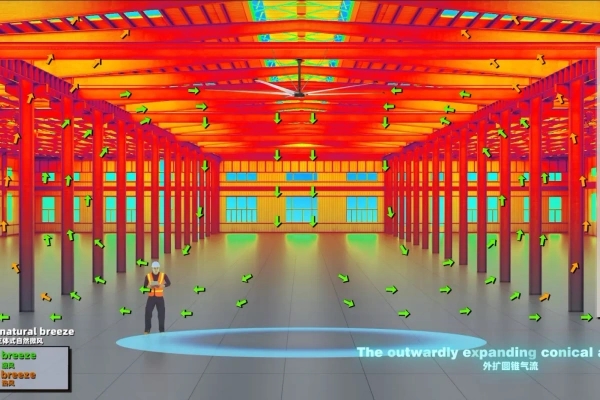
The essence of the problem: when the air is still, heat accumulates.
At the top of the workshop, temperatures often exceed those at ground level by 5 to 8°C due to solar radiation and heat dissipation from equipment. Because warm air is less dense, it naturally rises; without forced air circulation, heat accumulates in the upper layers while fresh air cannot reach the lower areas, turning the entire workshop into a sort of “air fryer.”
Solution: Use a large-diameter, low-speed fan to drive airflow throughout the entire layer.
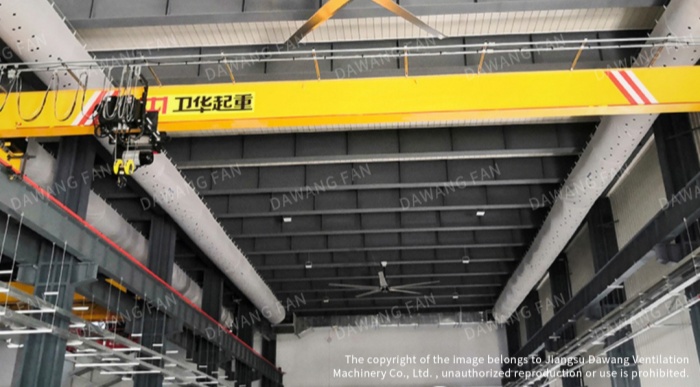
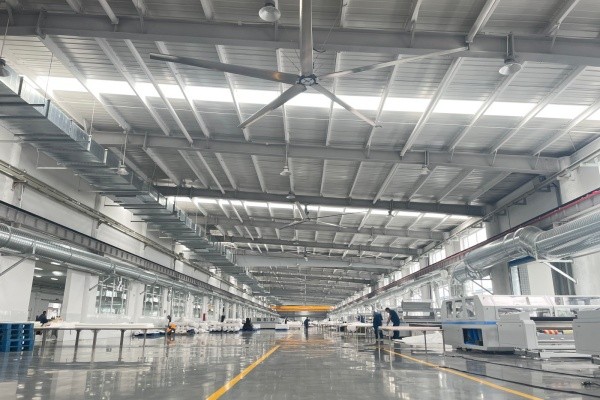
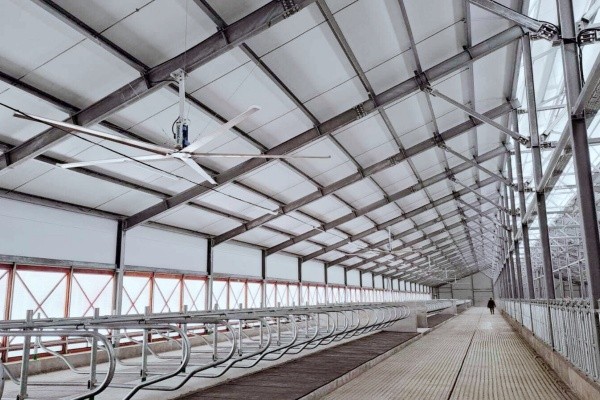
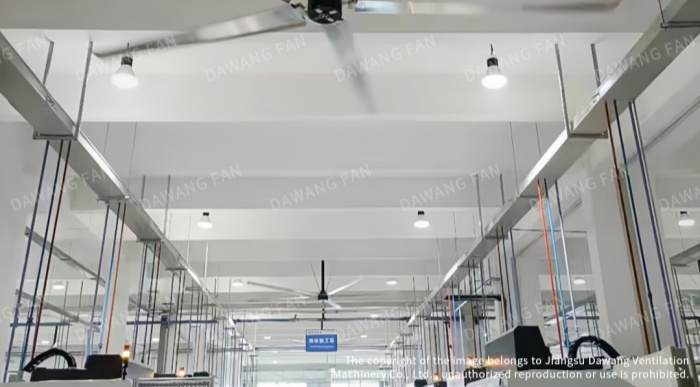
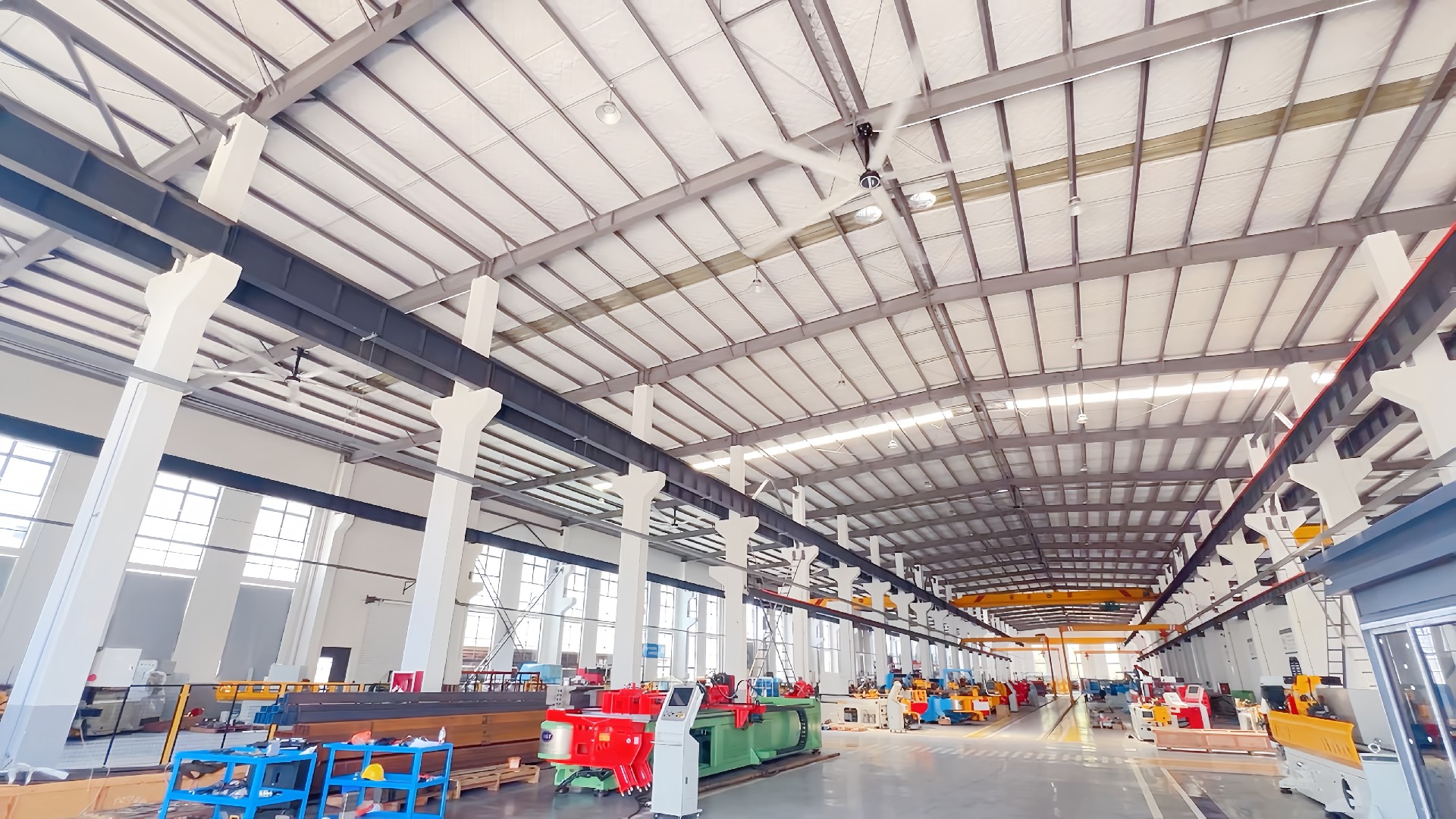
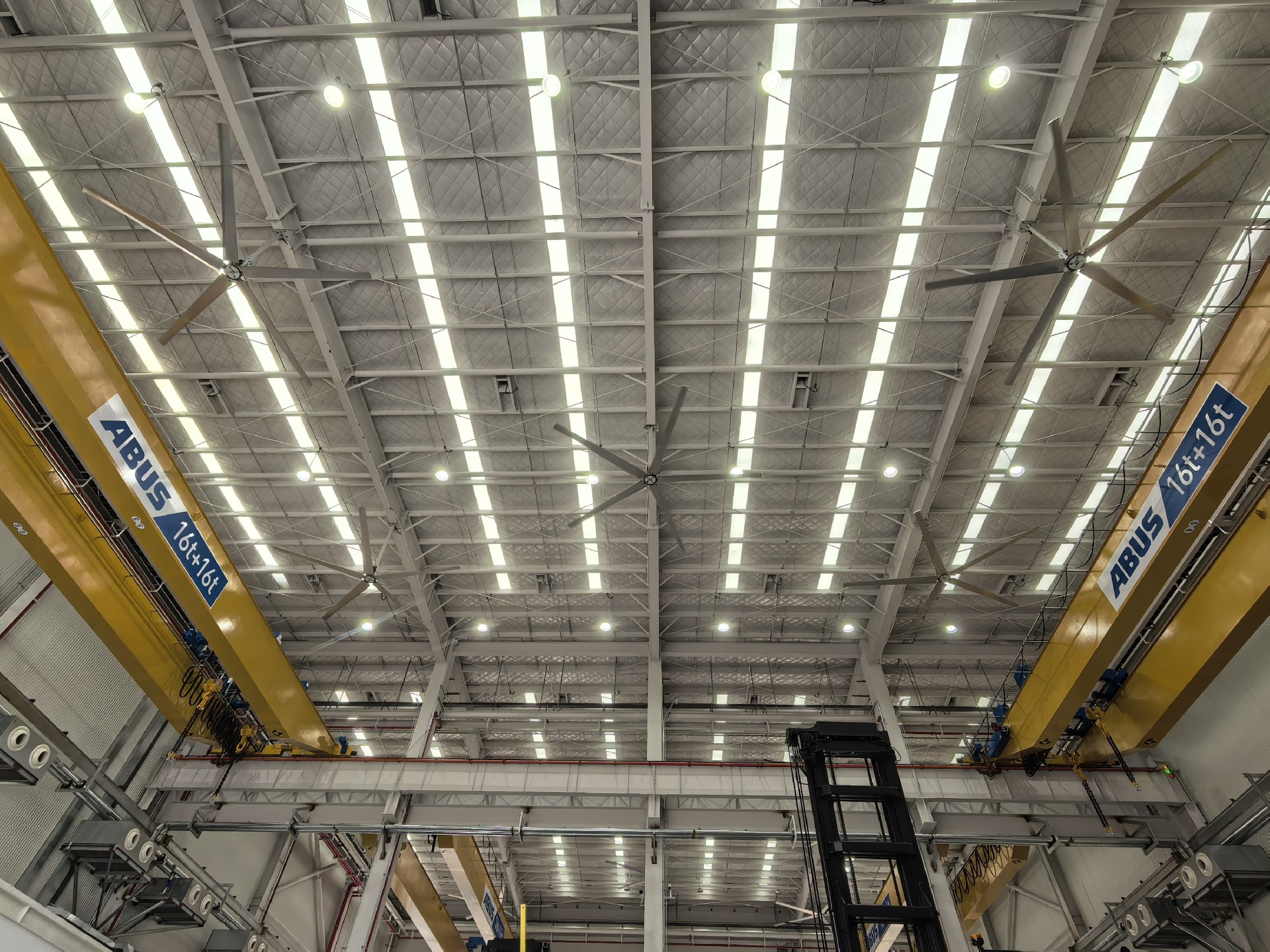
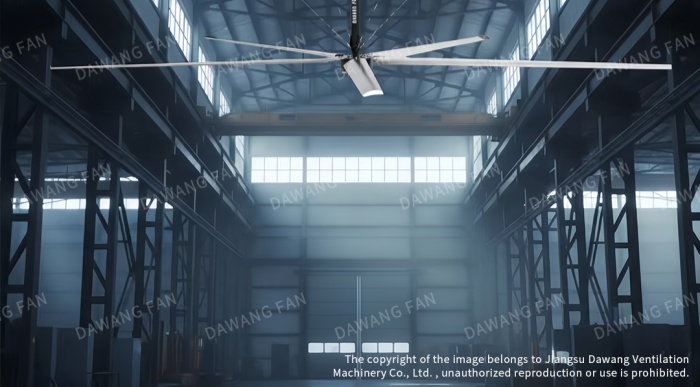
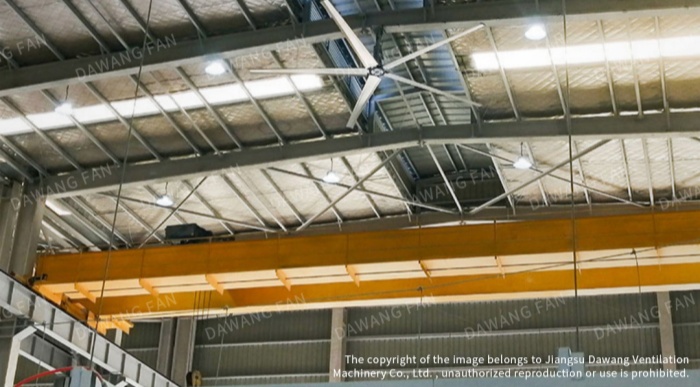
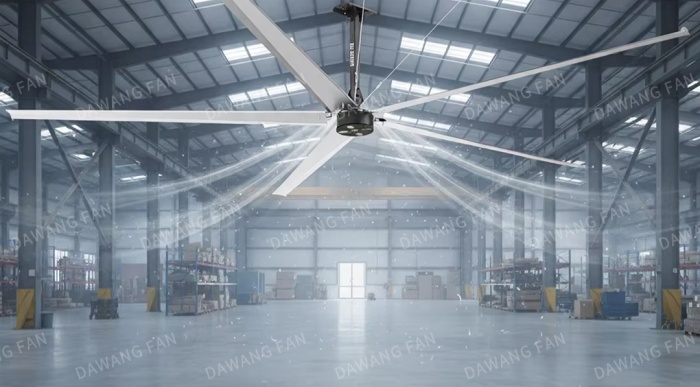
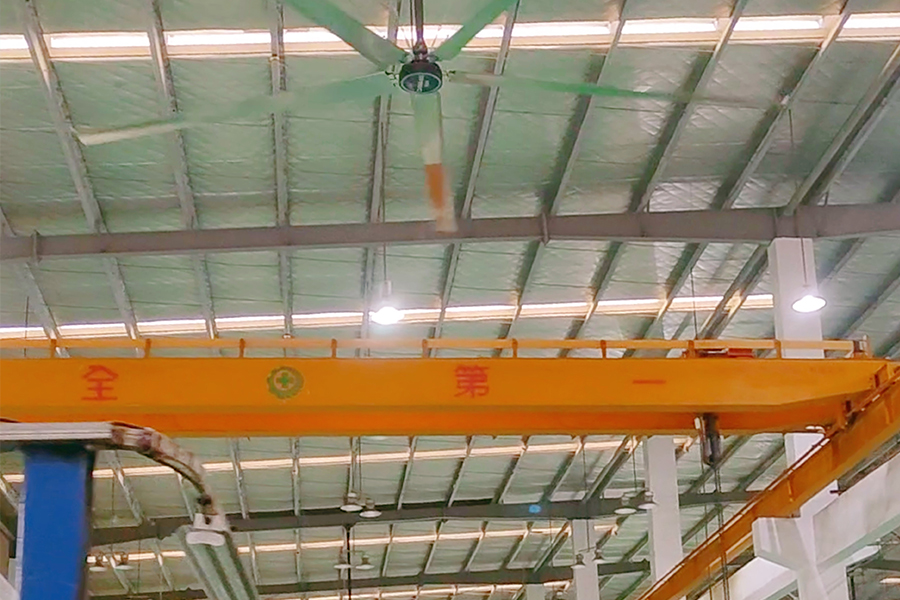
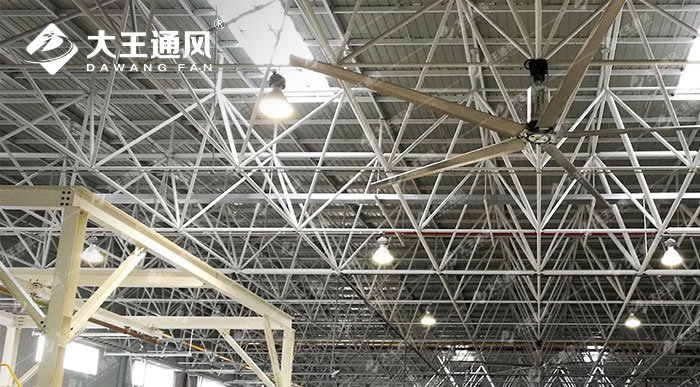
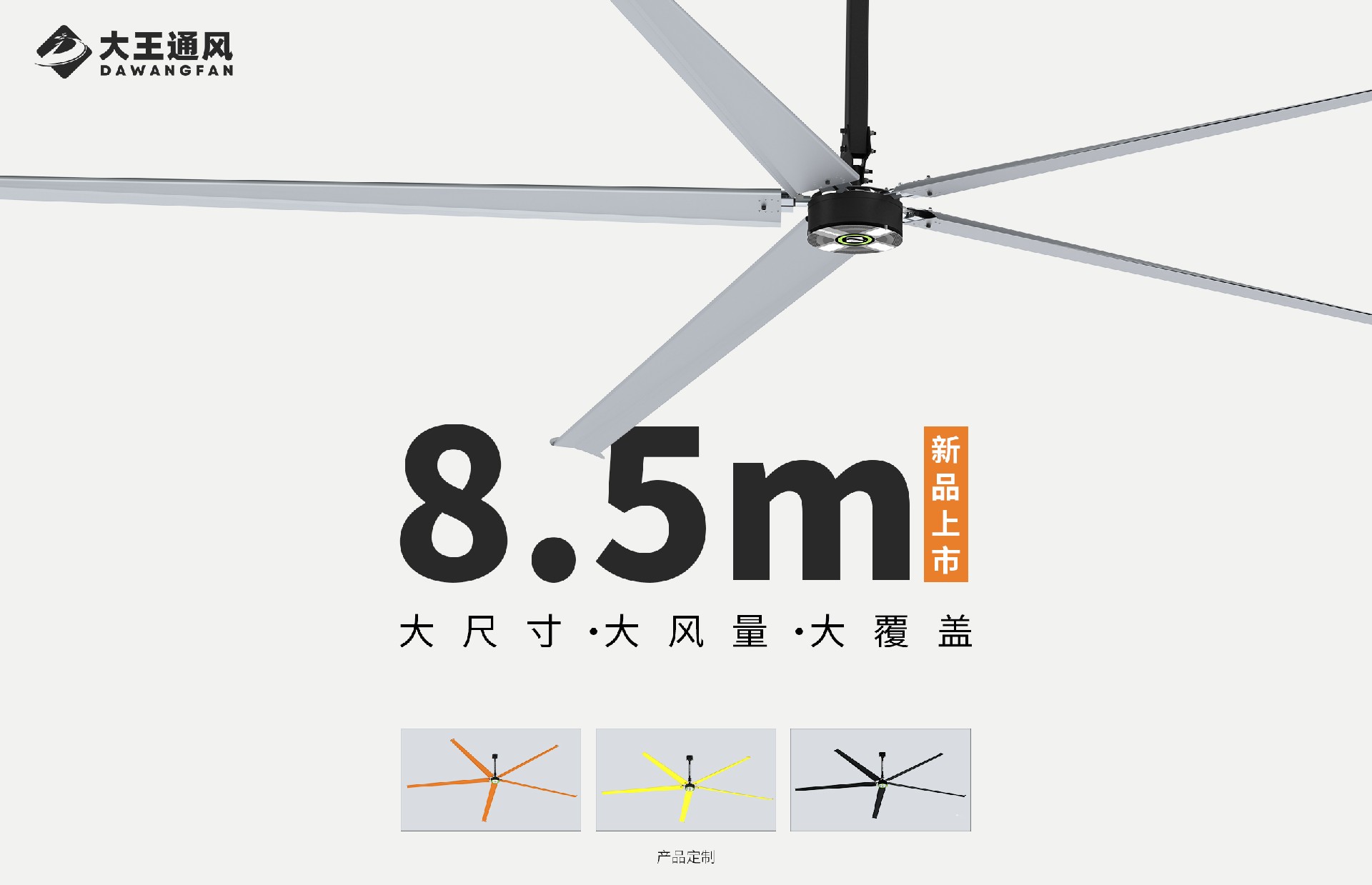
The Dawang 8.5-meter HVLS industrial ceiling fan is a system solution specifically designed for this type of environment:
With a diameter of 8.5 meters, its slow rotation drives a three-dimensional air circulation from top to bottom, pushing the hot air at the ceiling outward and accelerating its mixing with the cooler air near the floor, thereby alleviating the stuffy, oppressive feeling caused by thermal stratification.
Each unit covers an area of over 1,800㎡, and a single device can replace dozens of floor fans, reducing both the number of appliances and the complexity of wiring.
The perceived temperature drops by 5–8°C, and the effect is further enhanced when combined with natural ventilation or an exhaust system.
Not only does it cool, but it also balances energy consumption and management.
The permanent‑magnet synchronous motor has a single‑unit power rating of only 1.5 kW, and at full load it consumes less than 1 kWh per hour.
Supports intelligent centralized control and can simultaneously manage up to 48 DaWang fans, enabling speed adjustment on demand and scheduled on/off operation. It can also integrate with temperature and humidity sensors and fire‑alarm systems to achieve automated management.
10+ protective design features and an integrated, fully sealed structure ensure maintenance-free operation, reducing long-term O&M costs.
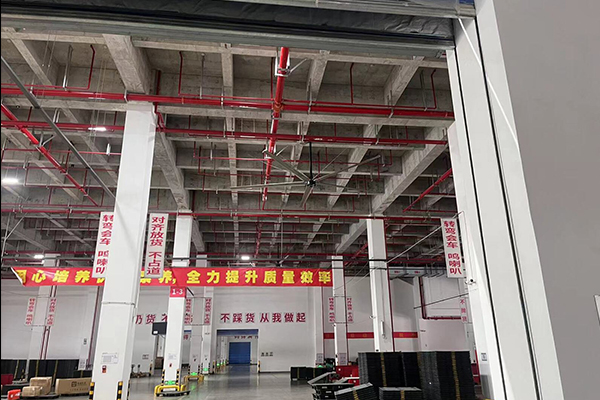
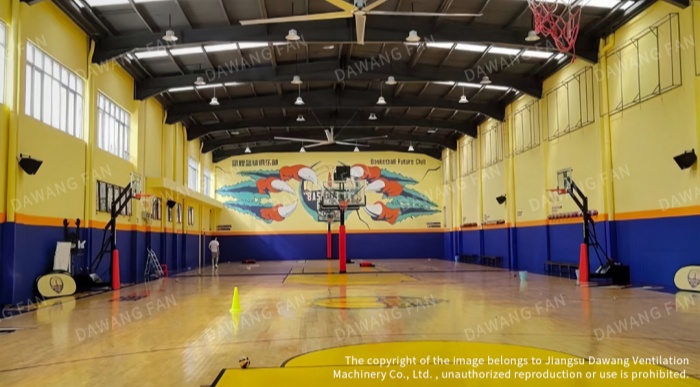
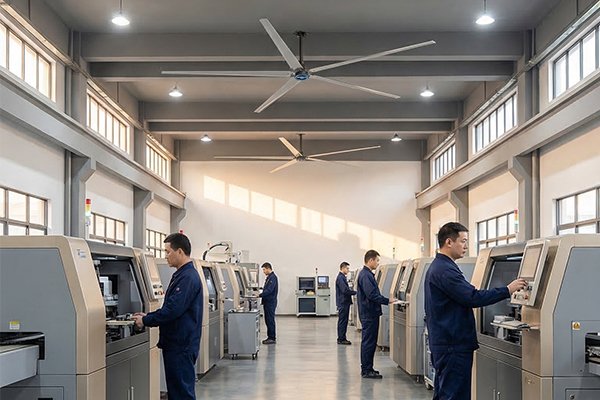
From automotive manufacturing to food processing, and from logistics and warehousing to mechanical assembly, DaWang Ventilation’s solutions have been successfully implemented across multiple industries, helping companies significantly enhance worker comfort and production efficiency without increasing air-conditioning energy consumption.


With the hot season still in full swing, a scientifically sound ventilation solution offers a fundamental way to address the issue. For more than a decade, Dawang Ventilation has been a leader in the industrial fan sector, providing end-to-end services—from on-site assessments and system design to installation and ongoing maintenance—helping businesses create cool, efficient workshop environments.