In industrial settings, adequate ventilation is essential, and Industrial fan is an effective tool for achieving this goal. However, when using these fans, there are several precautions that must be kept in mind to ensure the equipment’s safety and efficiency.
First, choose one that suits your specific needs. Industrial fan This is key. The market offers various types of fans, such as axial-flow and centrifugal fans, each with its own advantages and disadvantages. When selecting a fan, consider its airflow rate, noise level, and energy consumption to ensure it meets the requirements of your working environment.
Secondly, regular maintenance is essential to ensure Industrial fan The foundation of proper operation. Regularly inspect the fan’s motor, blades, and other components to ensure no dust or debris has accumulated. Additionally, lubricating the motor bearings and replacing aged parts can effectively extend the fan’s service life.
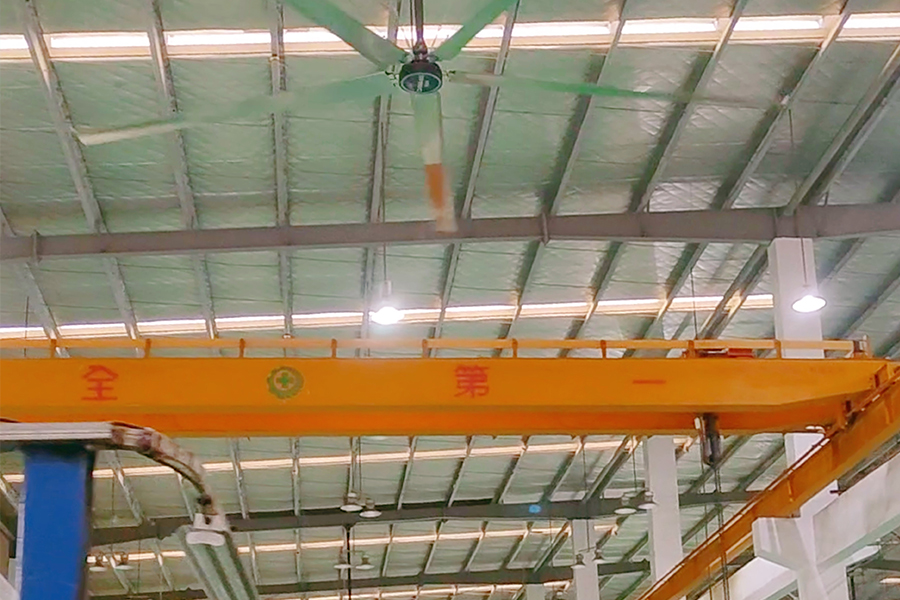
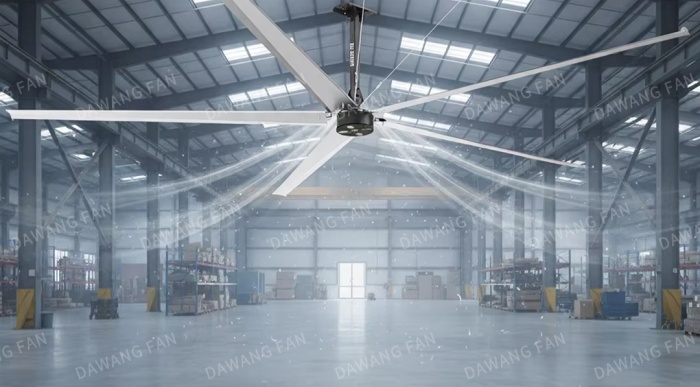
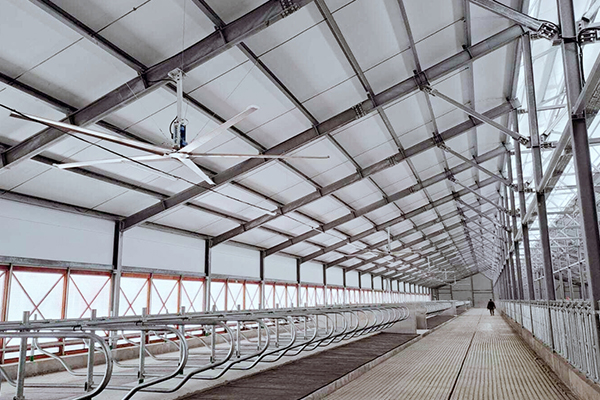
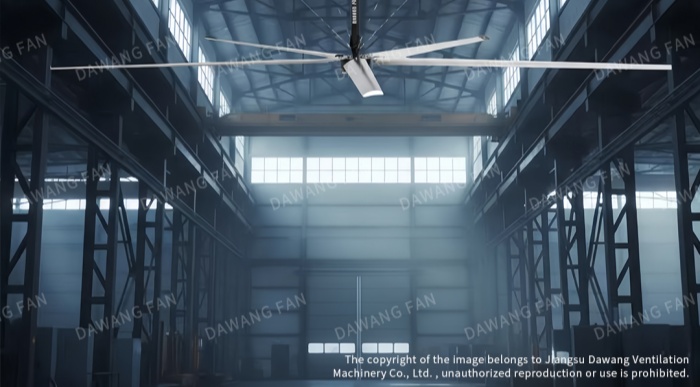
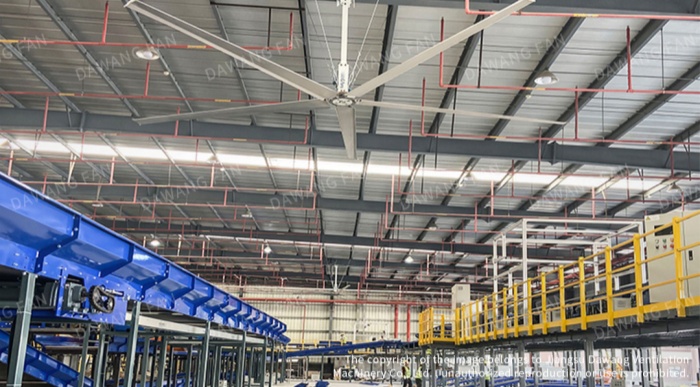
The Dawang HVLS industrial fan requires no maintenance for its entire lifespan and features over 10 safety measures to prevent falls.
During operation Industrial fan At all times, safety must come first. Ensure that operators are familiar with the operating instructions and wear the necessary protective equipment. In addition, avoid cleaning or performing maintenance while the fan is running to prevent accidental injury.
Different industrial environments have varying requirements for fans. In certain high‑temperature or humid settings, it is especially important to select fans that are both heat‑resistant and waterproof. Ensuring that the chosen fan is well‑suited to its operating environment will help enhance equipment efficiency.
Use Industrial large fan At the same time, energy conservation is an aspect that cannot be overlooked. Selecting high-efficiency fans and optimizing operating schedules can effectively reduce energy consumption and lower a company’s operating costs.
Large industrial fan They play an indispensable role in modern industry; understanding and adhering to these precautions not only enhances equipment efficiency but also ensures operational safety.