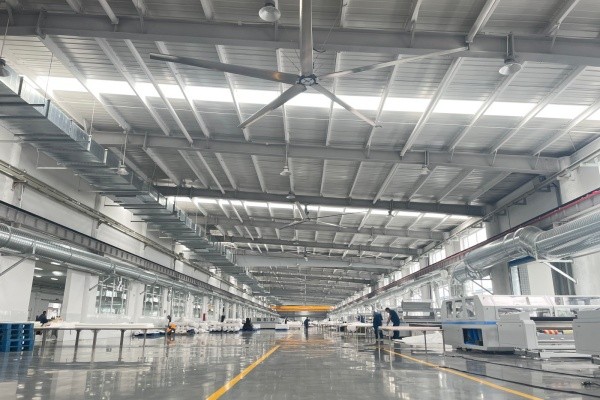
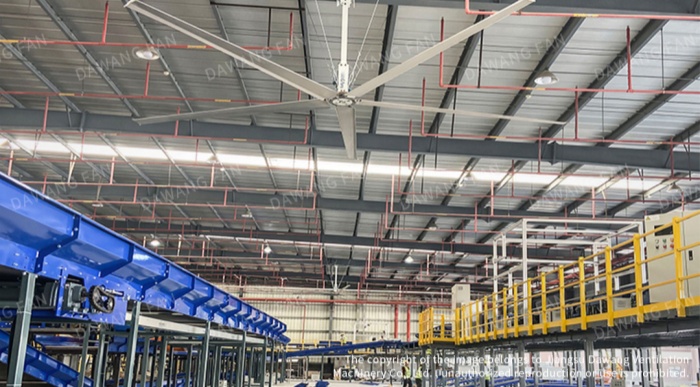
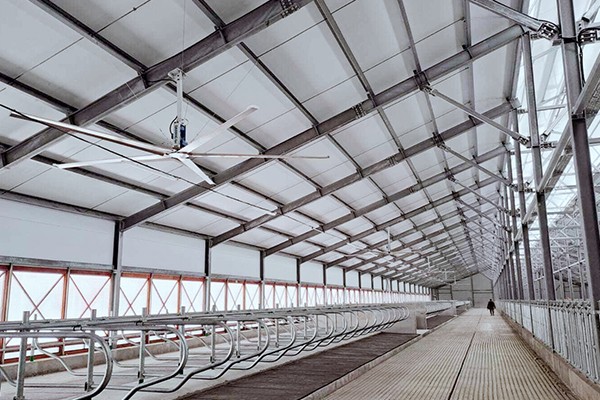
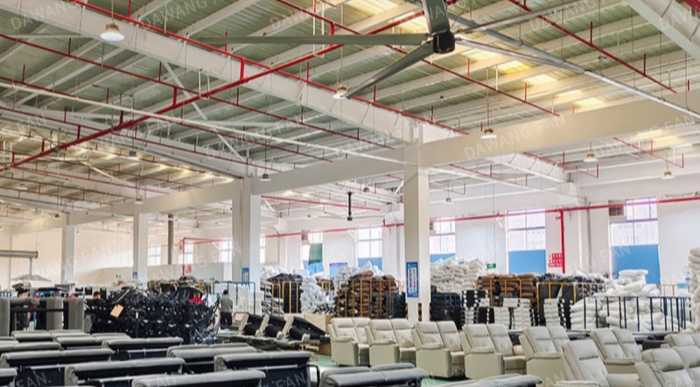
With the heating season approaching, industrial electricity rates are set to rise again. Many people pack their industrial ceiling fans away in storage, unaware that these very devices can be a hidden tool for cutting costs during the winter months.
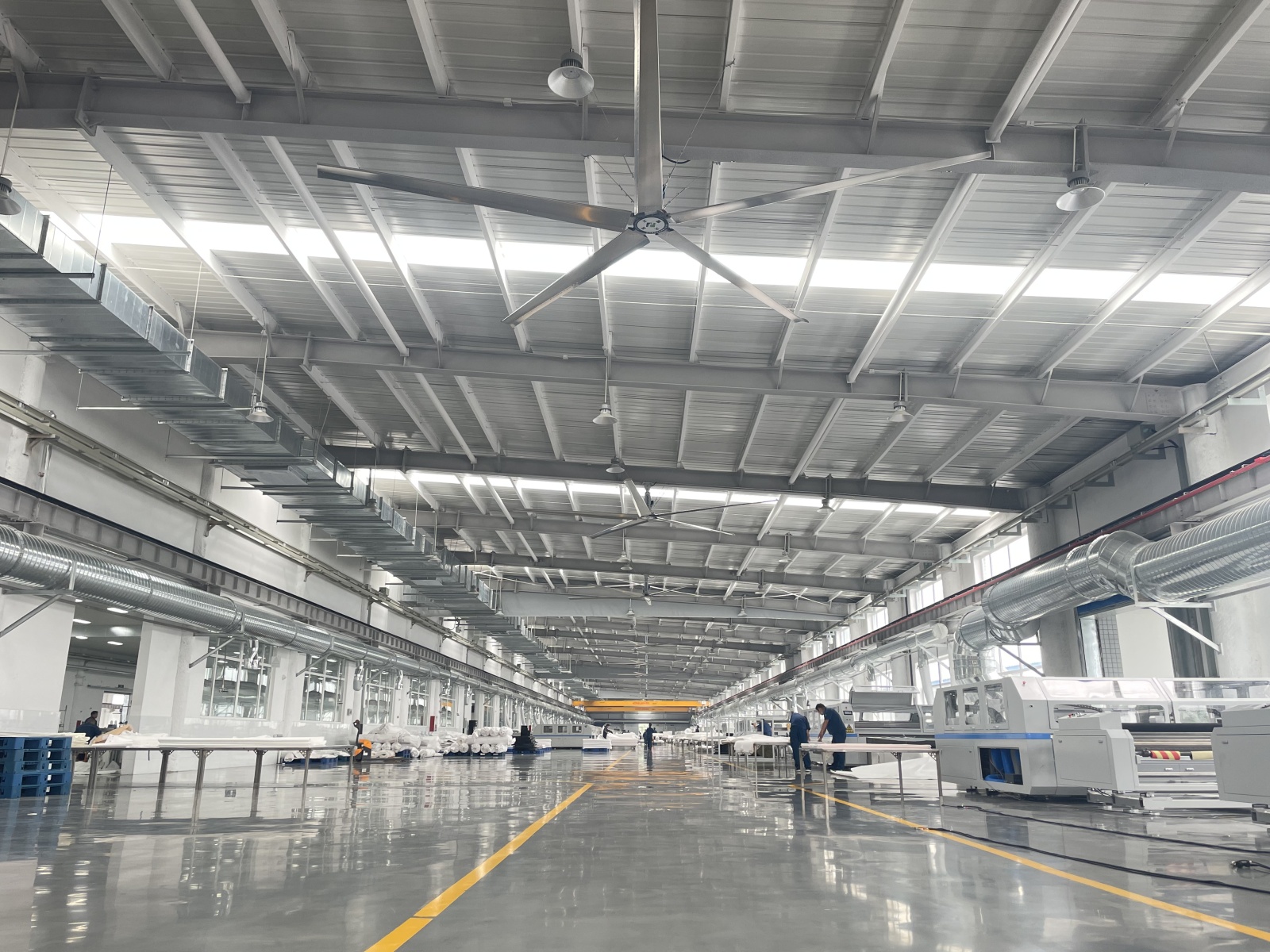
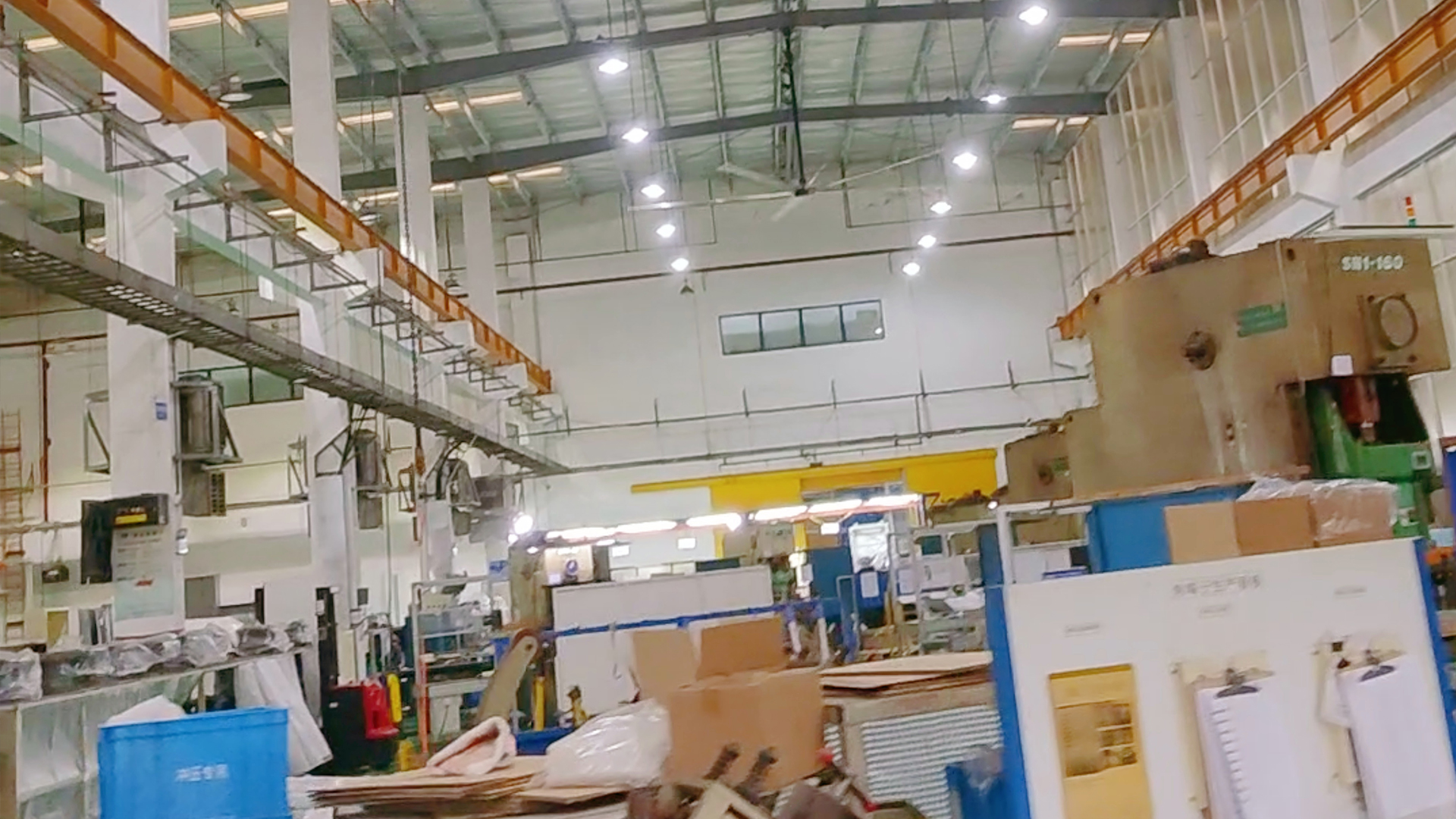
In mid-October, northern regions are gradually counting down to the start of the heating season. In factory workshops, an old problem has resurfaced: the radiators heat the ceiling until it’s scorching, yet the floor remains bitterly cold, leaving workers bundled in thick coats and rubbing their hands together.
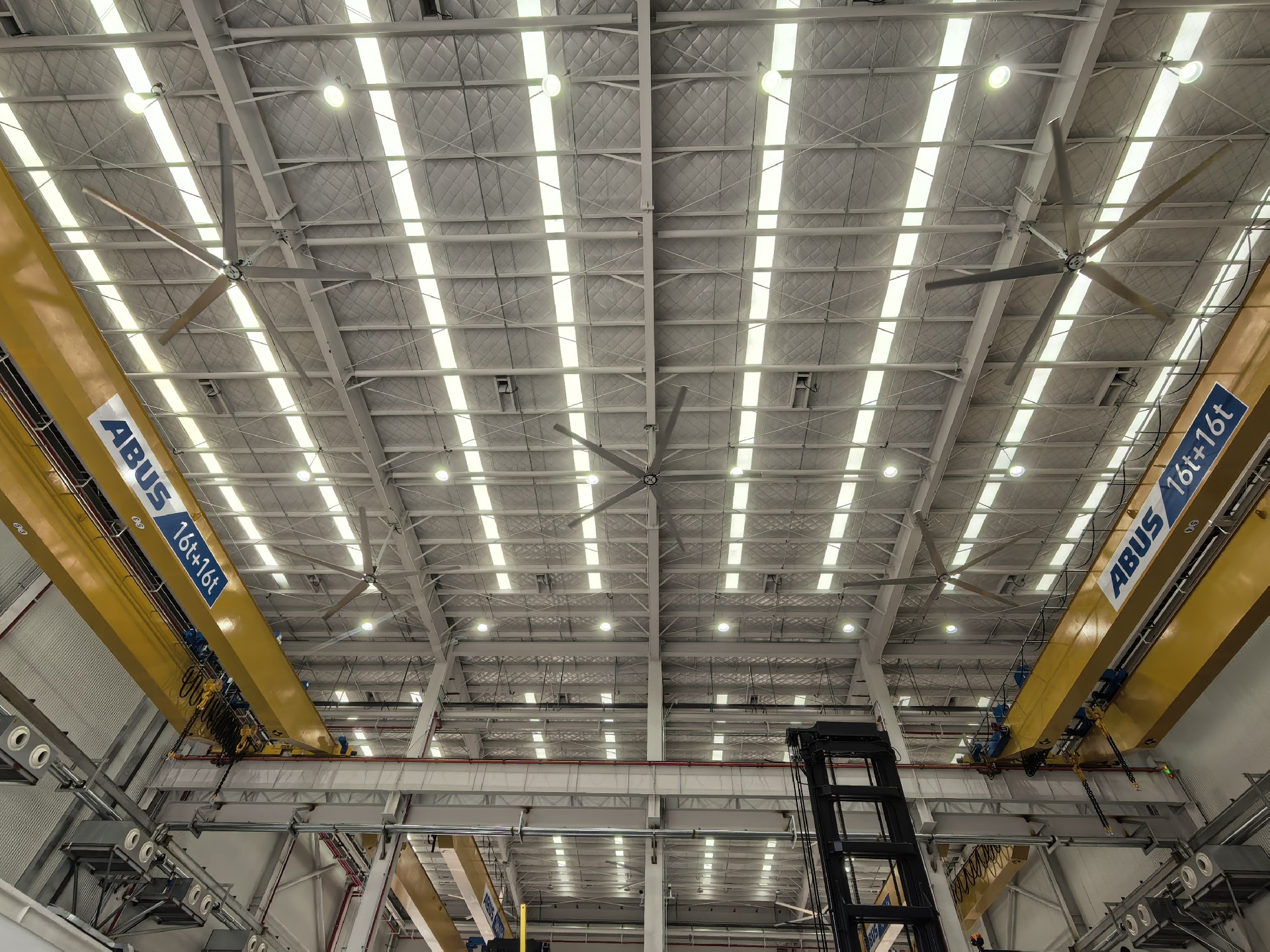
The reason is simple: warm air is lighter and rises, settling under the roof some ten meters above the floor. Meanwhile, the work area at ground level remains just over 10°C, with the heating wasted in a space where no one is actually present.
Insight In tall industrial buildings, the vertical temperature difference can reach 8 to 12°C in winter. This isn’t cold—it’s heat being “wasted” at the roof.
How do you break it? By reversing the industrial fan that keeps the king well-ventilated.
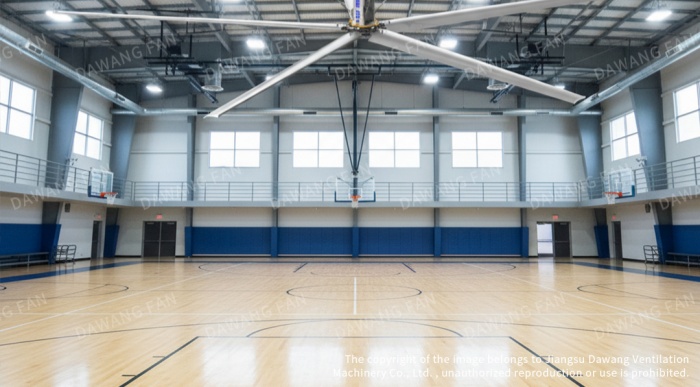
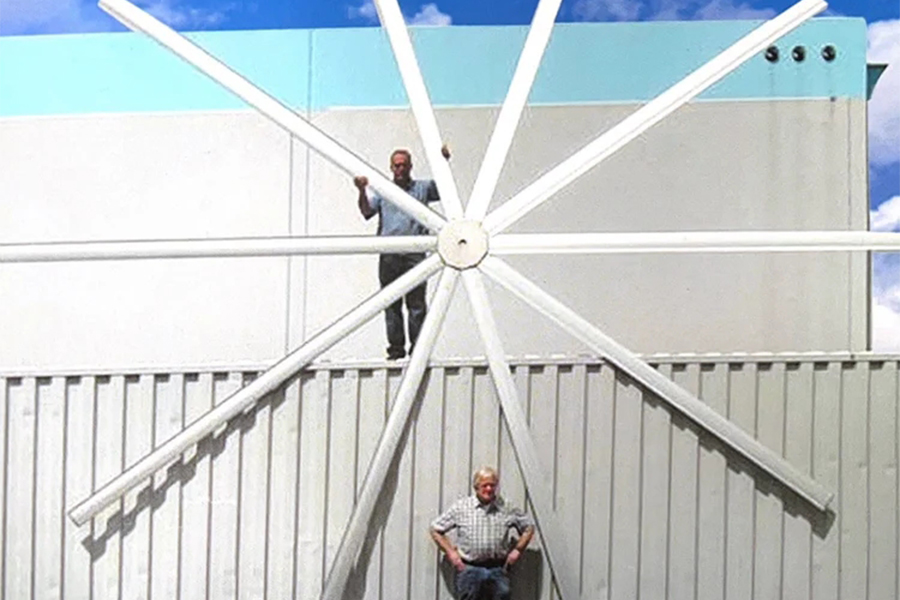
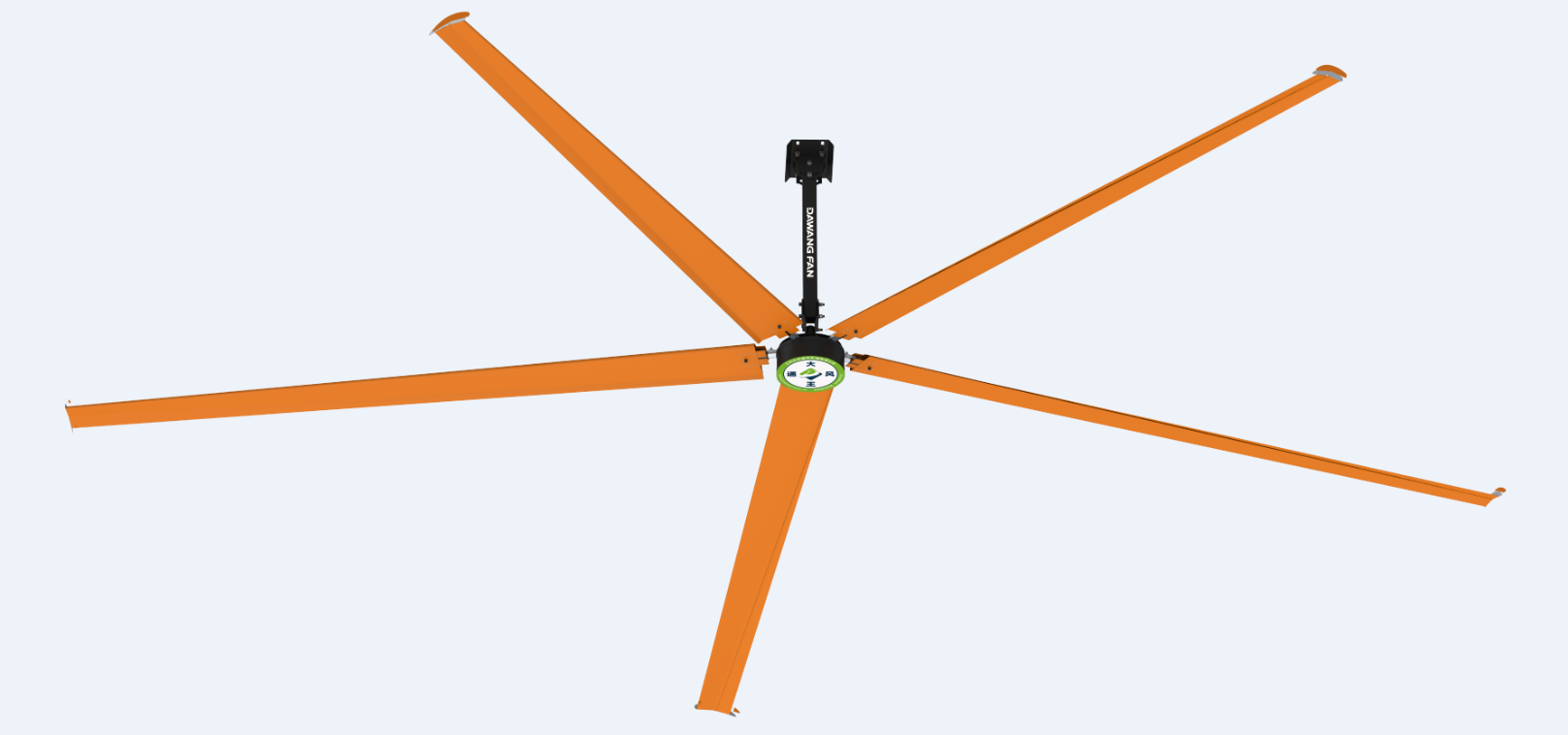
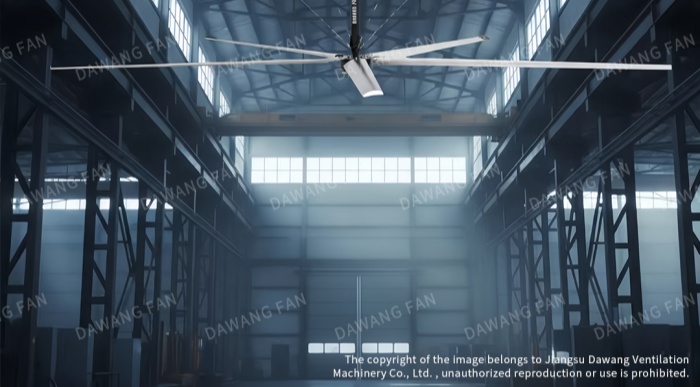
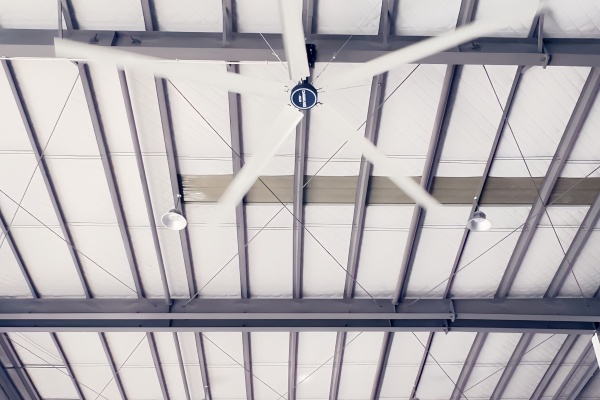
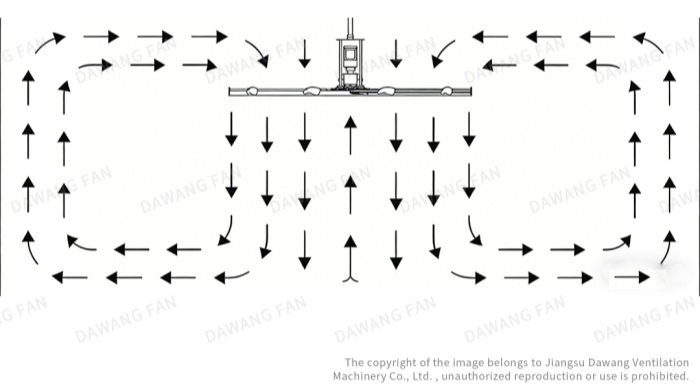
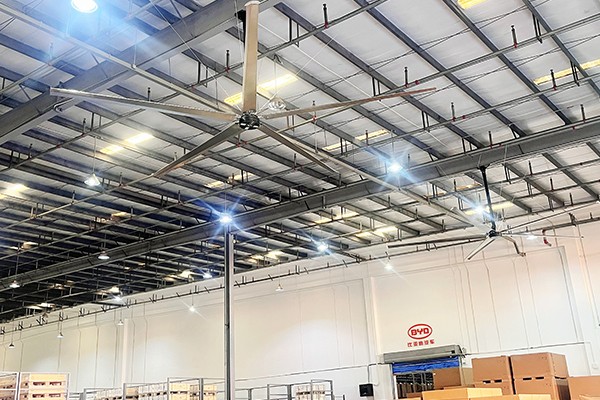
It doesn’t cool; instead, it gently pushes the heat accumulated on the roof back down to the ground, reducing the temperature difference between upper and lower levels from over ten degrees to just 2–3 degrees. This keeps people warm while also cutting down on heating usage. A single W.FANS “Wind King” unit, with an 8.5-meter diameter, consumes only 1.5 kilowatt-hours per hour at full load, yet can evenly heat a space of 2,000 square meters.
8.5M Fan diameter, covering over 1,800㎡ per unit. 1.5kW/h The average energy consumption is equivalent to just a few small space heaters. 21,800 m³/min Maximum airflow, 38 dB low-noise operation 30% Compared with traditional solutions, it saves energy.
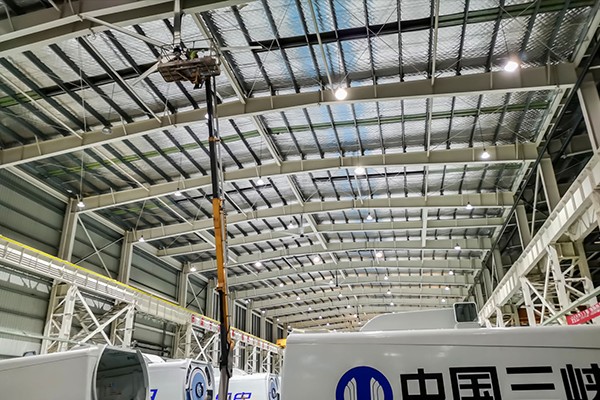
Behind this lies solid technological confidence. The W28, born in Wuxi’s smart manufacturing workshop, features a self-developed PMSM permanent‑magnet synchronous direct‑drive motor, delivering a stable 320 N·m of torque, IE4 energy efficiency, and lifetime maintenance‑free operation. Its 12‑point safety architecture, coupled with German TÜV Rheinland factory certification, ensures it remains securely fastened even when suspended from heights of over ten meters—without loosening or falling. Each fan can also connect to the DAWANG BOX, enabling centralized control of up to 48 units within a single system, with remote start/stop via a mobile app and integrated temperature‑humidity linkage.
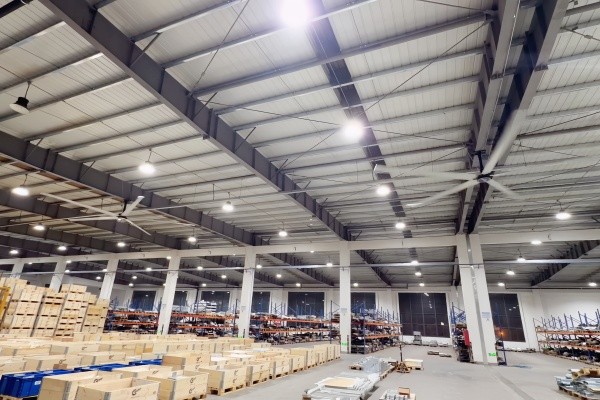
Suggestion Suitable for warehouses, supermarkets, airports, and assembly workshops: in summer, it delivers gentle, forward‑rotating airflow; in winter, it reverses to ensure even temperature distribution; and during the plum‑rain season, it dehumidifies and prevents mold—making one unit effective across all four seasons.
Under the dual-carbon goals, factories are meticulously calculating the cost of every kilowatt-hour of electricity. For a single fan, the savings extend beyond just electricity bills—they also translate into improved employee productivity and retention.